

Ever planned a hiking trip, only to find out your gear costs more than the flight? Yeah, it's a common surprise. Tents, boots, backpacks… everything adds up quickly.
But there's a little secret among frequent travelers and outdoor lovers: you don't need to spend a fortune to get reliable gear. There's a smarter way. In fact, once you know where to look—and what to skip—it's actually pretty simple.
Here's how budget-wise adventurers are getting quality outdoor gear without burning through their savings.
1. Know What You Really Need — and What You Don't
Not all gear is essential. Some things look nice in the store but hardly serve a purpose on the trail. A good rule of thumb? Pack for your plan, not for your fantasy.
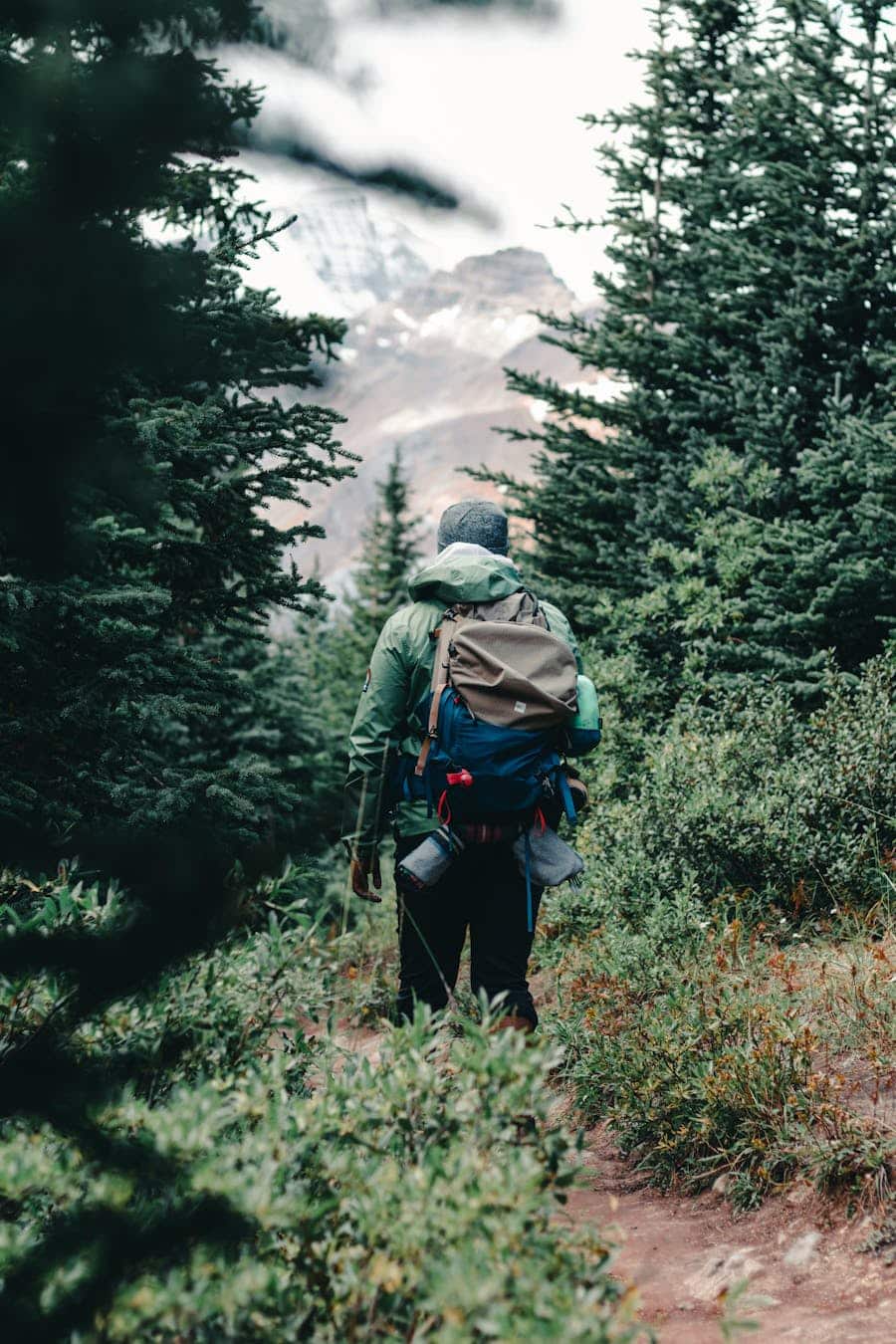
If the trip is a weekend hike, a compact sleeping pad might beat a bulky air mattress. Heading to a national park? A light backpack with essential compartments often works better than a fully loaded expedition pack.
When it comes to gear, less can truly be more—little weight, money, and stress.
2. Explore Unbranded and Boutique Gear Makers
Here's a tip that seasoned travelers don't always share: some of the best gear comes from brands you've never heard of.
Smaller manufacturers often build gear for performance, not hype. They keep their focus on function, which often results in reliable, thoughtfully designed products at lower prices.
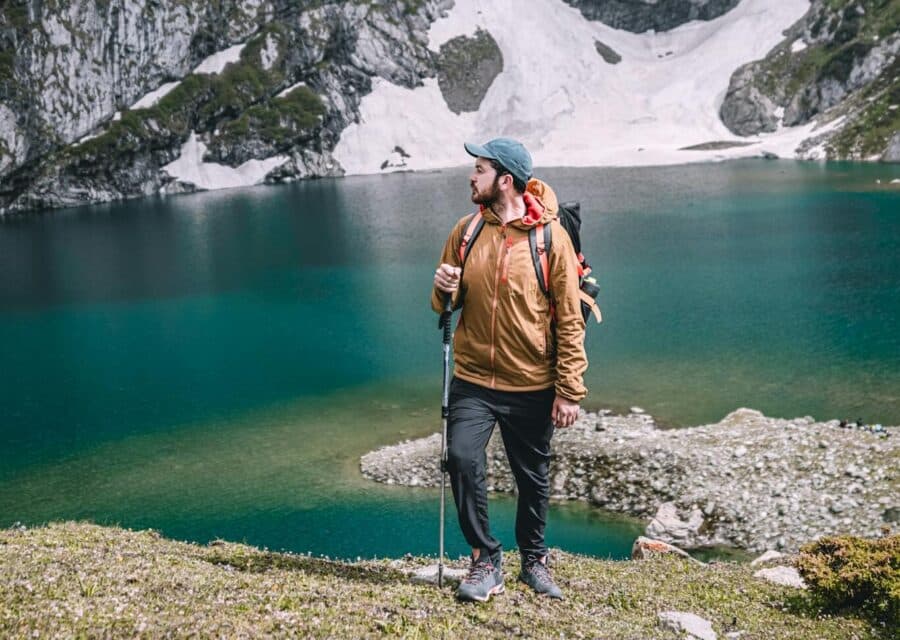
Take trekking poles, for example. Many lesser-known alpine brands are producing models with easy lock systems, padded grips, and interchangeable tips.
These features make a big difference on steep or uneven trails, giving better control and comfort to the user.
Surprisingly, such models often cost far less than big-brand options yet deliver the same—if not better—durability. And when budget meets smart design, that's where the magic happens.
3. Time Your Purchases Like a Pro
Deals come and go, but if you watch closely, the best ones always show up at the same time. End-of-season sales are gold. Summer gear goes on sale in fall. Winter gear? Grab it in spring. Stores need to clear space, and that's when the prices drop.
Big sales like Black Friday or outdoor clearance events are also worth tracking. Sign up for email alerts from gear websites. It takes two minutes, and you'll know when prices dip—sometimes by 40% or more.
Essentially, it's all about timing. So, wait it out, and the savings will come to you.
4. Look for Gently Used or Rental Gear
Buying brand new isn't always the best move. There's a huge market for gently used gear. Think backpacks, jackets, tents — even camp stoves. Many people try outdoor adventures once, then sell their barely-used gear for half the price.
Online resell platforms and outdoor co-ops are great places to browse. You'll be surprised what pops up—and how new some of it still looks.
Rentals are another solid option. If it's a one-time trip, why buy? Rent what you need, test it out, and spend way less.
5. Prioritize Functionality over Flash
Some gear just looks cool. Bright colors, sleek cuts, shiny parts. But once you're out in the wild, none of that matters if it doesn't work.
The truth is, simple gear often performs better. Zippers that don't snag. Poles that don't slip. A rain jacket that stays waterproof, even after the third wash.
Pay attention to stitching, weight, material, and design. Skip the unnecessary extras.
Remember, it's not about how the gear looks. It's about how well it holds up—especially when you need it most.
6. Travel Forums and Community Tips Are Gold
Still confused? Go straight to the people who've been there for real advice. Online travel forums, threads, and hiking blogs are full of honest tips.
These aren't sponsored reviews—they're written by actual hikers and travelers who've tested the gear in real conditions.
They'll tell you where they found deals, what gear held up, and what wasn't worth the money. Social media can help, too. Many outdoor travelers post reviews, links to sales, and gear hacks that save space and money.
Listening to the community often leads to smarter buys — and fewer regrets.
Concluding It All Together
Getting ready for the outdoors doesn't have to drain your bank account. By thinking ahead, skipping the fluff, and tapping into the right circles, you can get dependable, well-built gear for way less than you'd expect.
The smartest travelers aren't the ones with the most expensive backpacks. Instead, they're the ones who know how to shop smart and pack well.