
How the Way You Organize Your Store Can Make or Break Your Sales
Discover how smart store organization and the right shelving systems help small and Black-owned retail businesses boost sales, improve customer experience, and grow faster.

Have you ever walked into a store, felt overwhelmed by the clutter, and walked right back out without buying a thing? It happens more often than most retailers realize. And the truth is, it is not always about the products. Sometimes, it is purely about how the store feels to shop in.
For small and Black-owned retail businesses, this is one of the most overlooked growth opportunities out there. You can have great products, fair prices, and a loyal community behind you but if your store layout is working against you, customers will quietly leave without spending what they intended to. The good news is that fixing this does not require a massive budget. It starts with understanding why store organization matters and making smarter decisions with the space you already have.
Why the Physical Setup of Your Store Affects What People Buy
Shoppers Decide Fast
The moment a customer steps through your door, their brain is already processing the environment. Within seconds, they are forming an impression of your store. Is it easy to navigate? Can they find what they need quickly? Does it feel welcoming?
Research consistently shows that shoppers spend more time and more money in stores that feel organized, open, and easy to move through. When a store feels chaotic, the stress response kicks in. People grab what they came for, skip everything else, and leave. That means you are losing out on every impulse purchase that never happened.
Clutter Sends the Wrong Message
Beyond the shopping experience itself, a cluttered or poorly arranged store sends an unintended signal. It can make even high-quality products look less valuable. Customers associate organization with professionalism and trust. When your store looks put-together, people feel more confident buying from you. That is a simple but powerful truth.
The Most Common Layout Mistakes That Cost Retailers Money
Packing Too Much Into Too Little Space
One of the most common mistakes small retailers make is trying to display every single product at once. The thinking is understandable. You want people to see everything you carry. But when shelves are overloaded with no clear system, shoppers get overwhelmed and shut down.
Give your products room to breathe. A shelf that is thoughtfully stocked with visible spacing looks more appealing and actually encourages customers to pick things up and engage with them. In fact, proper product display strategy starts with understanding how your inventory impacts customer behavior. When you stock strategically rather than maximizing every inch, you create an experience that feels intentional and professional.
Ignoring the Natural Path Customers Take
Most shoppers follow predictable patterns when they walk through a store. They tend to turn right, hug the perimeter, and move through the middle aisles last. If you are placing your best-selling or highest-margin products in spots that customers rarely reach, you are leaving money on the table.
Watch how people move through your store. Then rearrange your displays to put the right products in front of the most eyes.
How the Right Shelving Changes Everything
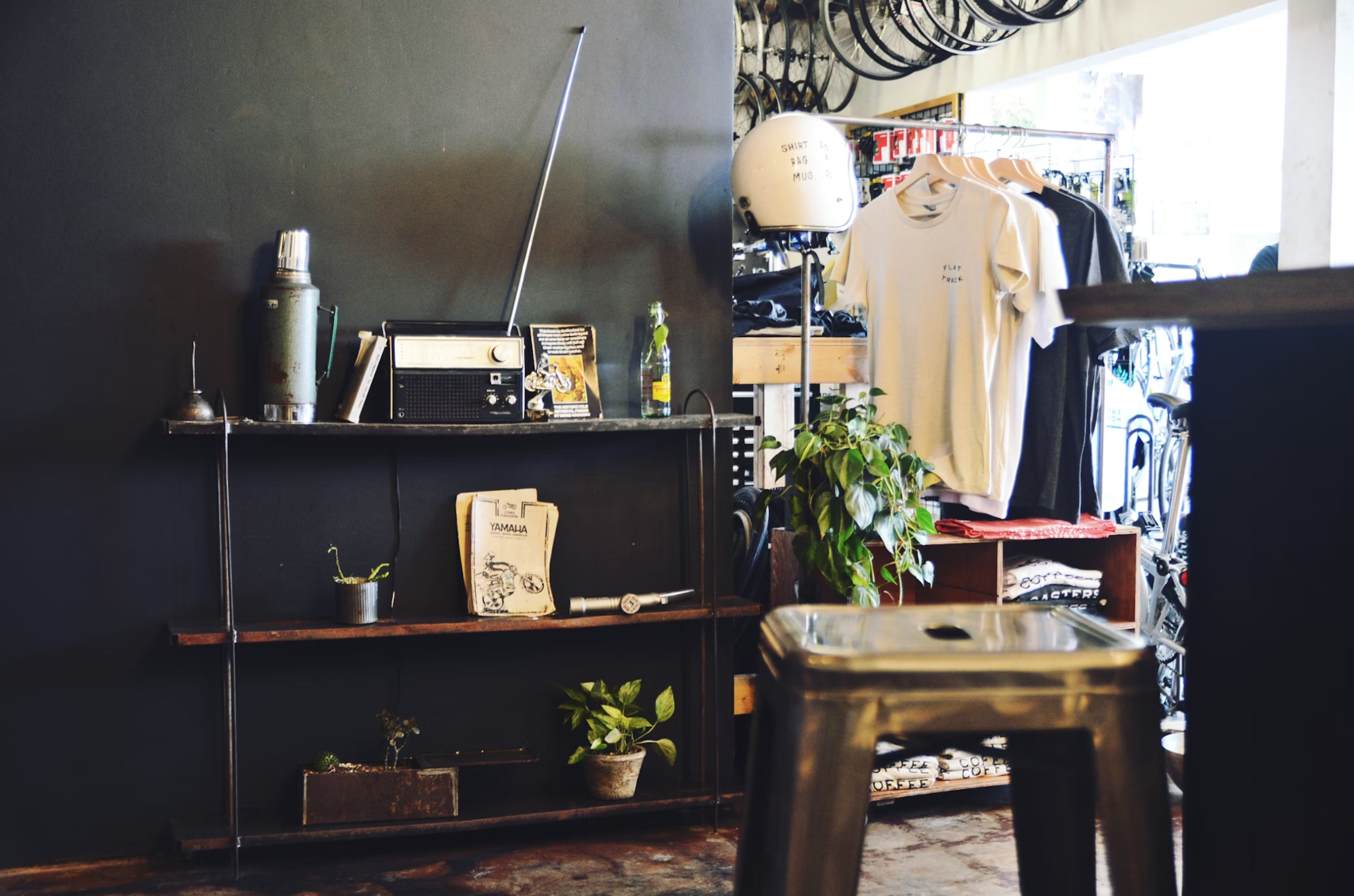
A Solid Shelving System Is the Backbone of a Good Layout
You cannot build a great store layout on weak foundations. The shelving you choose directly impacts how much you can display, how easy it is to restock, and how professional your store looks to customers.
Modular and adjustable shelving systems are a game-changer for small retailers because they give you flexibility. As your product range grows or changes with the seasons, you can reconfigure your layout without buying an entirely new setup. This is especially useful for convenience stores, pharmacies, and specialty retail shops where product categories shift regularly.
If you are setting up a new store or upgrading your current fixtures, take the time to shop for gondola shelving solutions that are built for retail use. These freestanding units are durable, adjustable, and designed to maximize product visibility in a way that flat wall shelving simply cannot match.
Picking the Right Shelving for Your Store Type
Not every store needs the same setup. A double-sided shelving unit works brilliantly in the center aisle of a grocery or convenience store where customers browse from both sides. A single-sided unit is better suited along walls or at the end of a row.
The key is to match your shelving configuration to your store's footprint and your customer's shopping behavior. Think about the products you carry, how heavy they are, and how often you need to restock them. Then choose a system that makes all of that easier.
Practical Ways to Organize Your Store for Better Sales
Make Your Main Aisle Work Harder
The central aisle of your store gets more foot traffic than anywhere else. Use it intentionally. Place your seasonal products, current promotions, and bestsellers along this path so that every customer who walks through sees them without having to go looking.
Double-sided shelving units along this aisle effectively double your display space without taking up extra floor space. That means more products in front of more customers in the same square footage. Smart visual merchandising techniques ensure these high-traffic areas capture attention and drive sales.
Group Products by How People Shop, Not Just by Category
Think about why customers buy certain things together. A customer picking up coffee probably also needs filters, a mug, or creamer. If those items are scattered across different parts of the store, you are making it harder to sell all three.
Grouping products by customer intent rather than by strict category reduces friction and naturally leads to bigger basket sizes. It also makes the shopping experience feel more thoughtful, which customers notice and appreciate.
What a Well-Organized Store Says About Your Business
It Builds Real Trust in the Community
For Black-owned retailers especially, the in-store experience carries more weight than just convenience. When customers walk into your business and it feels professional, welcoming, and well-organized, it tells them that you take your business seriously. That matters to people who are intentionally choosing to support you. Just look at how Sassy Jones, a Black-owned retail brand, turned a carefully designed in-store experience into a community landmark when she opened her first brick-and-mortar location. The physical space was intentional, and customers felt it.
A clean, well-laid-out store becomes a place people want to come back to. It becomes part of the neighborhood. And word-of-mouth from a great in-store experience is still one of the most powerful forms of marketing there is.
Conclusion
Store organization is not just about aesthetics. It is a sales strategy, a customer experience tool, and a statement about who you are as a business owner. The right shelving setup, a thoughtful layout, and a commitment to making your store easy and enjoyable to shop in can meaningfully move the needle on your revenue.
You do not have to overhaul everything at once. Start with one aisle, one section, or one shelving upgrade. Small improvements add up quickly, and your customers will notice before you even finish.
Frequently Asked Questions
What type of shelving is best for a small retail store?
Modular and adjustable freestanding shelving is usually the best choice for small retailers. It gives you the flexibility to change your layout as your product range evolves without replacing your entire setup.
How does store layout affect sales?
A well-organized layout increases the time customers spend in your store, reduces shopping frustration, and creates more opportunities for impulse purchases. All of these factors directly impact your revenue.
How often should a small retailer update their store layout?
Reviewing your layout at least seasonally is a good habit. You should also consider a refresh whenever you introduce a new product category or notice that certain areas of the store are not getting enough customer attention.
Do I need a big budget to improve my store organization?
Not at all. Strategic changes like adjusting shelf heights, regrouping products, and investing in one or two quality shelving units can make a significant difference without a large upfront cost.