

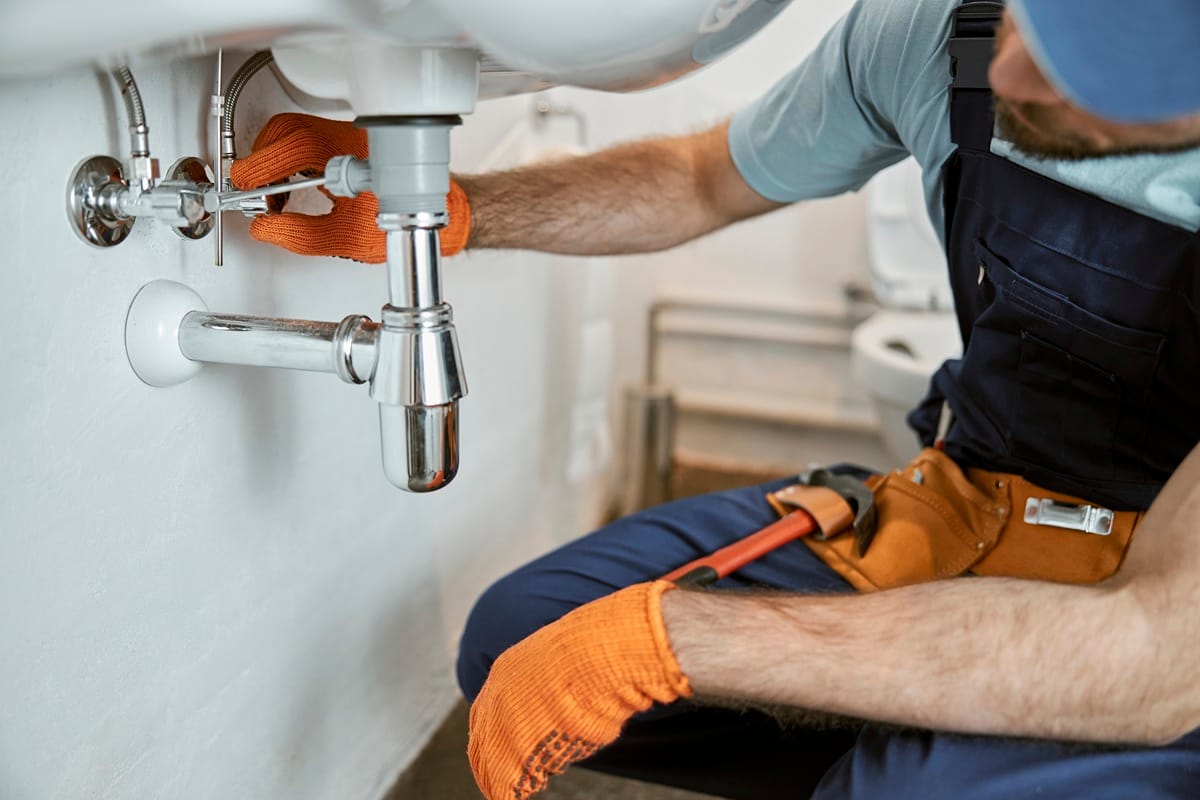
West LA homes are a mix of older pipes, tight utility closets, and plenty of shared walls in condos and apartments. That combination makes water damage spread fast, even when the first sign is just a faint drip or a damp smell. Most flood repairs start as small issues you can spot early, then fix before they reach drywall and flooring. Here are five small plumbing problems to handle now, so they do not turn into flood repairs later.
1. Worn supply lines and sticky shutoff valves
Check every toilet and faucet supply hose. Replace lines that are kinked, corroded at the fittings, or simply old. Then test the shutoff valves under sinks and behind toilets. If they stick, drip, or will not fully close, swap them now, not during an emergency.
This one upgrade makes leak response faster and cleaner. If you want a professional to handle replacements and pressure checks, call plumbers on the Westside for a quick leak-prevention walkthrough.
2. Slow drains that are setting up an overflow
A slow drain is pressure building in the wrong direction. Kitchen lines clog from grease and food residue. Bathroom lines clog from hair and product buildup. Use strainers and rinse with hot water after heavy use.
You should also skip harsh chemical cleaners; they can damage older piping and still leave the blockage behind. If two fixtures slow down at once, or you hear gurgling, get the main line assessed.
3. Toilets that run, rock, or leak at the base
If a toilet refills by itself, it is not normal; it is leaking past the flapper or fill valve. Do a quick dye test in the tank and look for color in the bowl. Be sure to also check for wobble. A rocking toilet can break the wax ring and leak under the flooring, especially in upstairs bathrooms. Fixing a flapper and tightening the base is cheap, but replacing the subfloor is not.
4. Water heater warning signs in closets and garages
Look for rust at the bottom edge, dampness around the pan, or a small puddle that keeps returning. Check the temperature and pressure relief line for dripping. Make sure the drain pan line is not blocked.
If you hear popping or rumbling, sediment may be building. Flush a few gallons periodically if your setup allows it. If the heater is near the end of its expected life, plan a replacement before it chooses the timing.
5. Micro-leaks under sinks and behind shower trim
Slide a dry paper towel around the trap joints and supply fittings under every sink. If it comes back damp at all, treat it as a leak. White or green crust on fittings also signals slow seepage.
In showers, pay attention to valves that will not shut off cleanly, wobbly handles, or sudden temperature shifts, because they can leak behind the tile and slowly rot the framing. Re-caulk gaps where water escapes the enclosure, but do not use caulk to fix a plumbing leak. Replace cartridges and worn seals instead.
Endnote
Flood repairs are expensive because water spreads fast and hides well. Do this checklist once a month and act on what you find. Additionally, locate your main shutoff and make sure it actually turns, because that one check can save you thousands when something lets go.