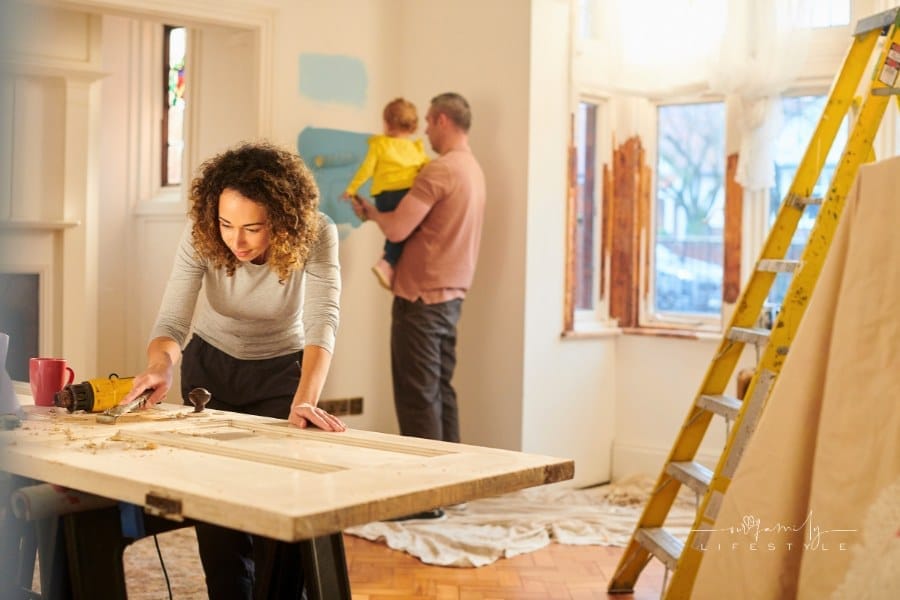


Purchasing your first home is an exciting and significant milestone. However, the process can be overwhelming if you don't fully understand the steps involved.
From navigating the real estate market to making your new house feel like a home, numerous considerations come into play.
Below, we will explore the key steps to buying, setting up, and maintaining your first home.
Understanding the Real Estate Market: Key Factors for First-Time Home Buyers
Before entering the real estate market, it's crucial to understand the factors that affect home prices. A property's location plays a major role in determining its value.
Neighborhood amenities and proximity to schools, work, and shopping centers are also factors that influence home prices.
Another important factor is your budget and financing options. While looking at the most expensive homes in desirable areas may be tempting, it’s essential to set a realistic budget and stick to it.
To help with this, talk to a mortgage lender about loan options and get pre-approved for a mortgage.
This will give you a clear idea of how much you can afford and prevent you from wasting time on properties outside your price range.
Once you've set your budget, search for properties that match your needs. List your preferences, such as the number of bedrooms, bathrooms, and overall square footage.
Also, research neighborhoods to ensure they offer the environment and community you seek.
With this knowledge, you'll be better prepared when reviewing available homes and deciding which ones best suit your lifestyle.
It's time to submit an offer when you’ve found a property you’re interested in. A real estate agent can guide you through this process by advising you on a competitive offer price.
You may be competing with other buyers depending on the market conditions, so acting quickly is essential.
Once your offer is accepted, you’ll enter the closing phase, where inspections, appraisals, and final paperwork are completed.
To explore local options, a quick Google search for "homes for sale in Chamblee GA" can help you find available properties in the area.
Setting Up Your New Home: Prioritizing Tasks and Projects for a Smooth Transition
When you first move into your new home, it’s easy to feel overwhelmed by the number of tasks ahead.
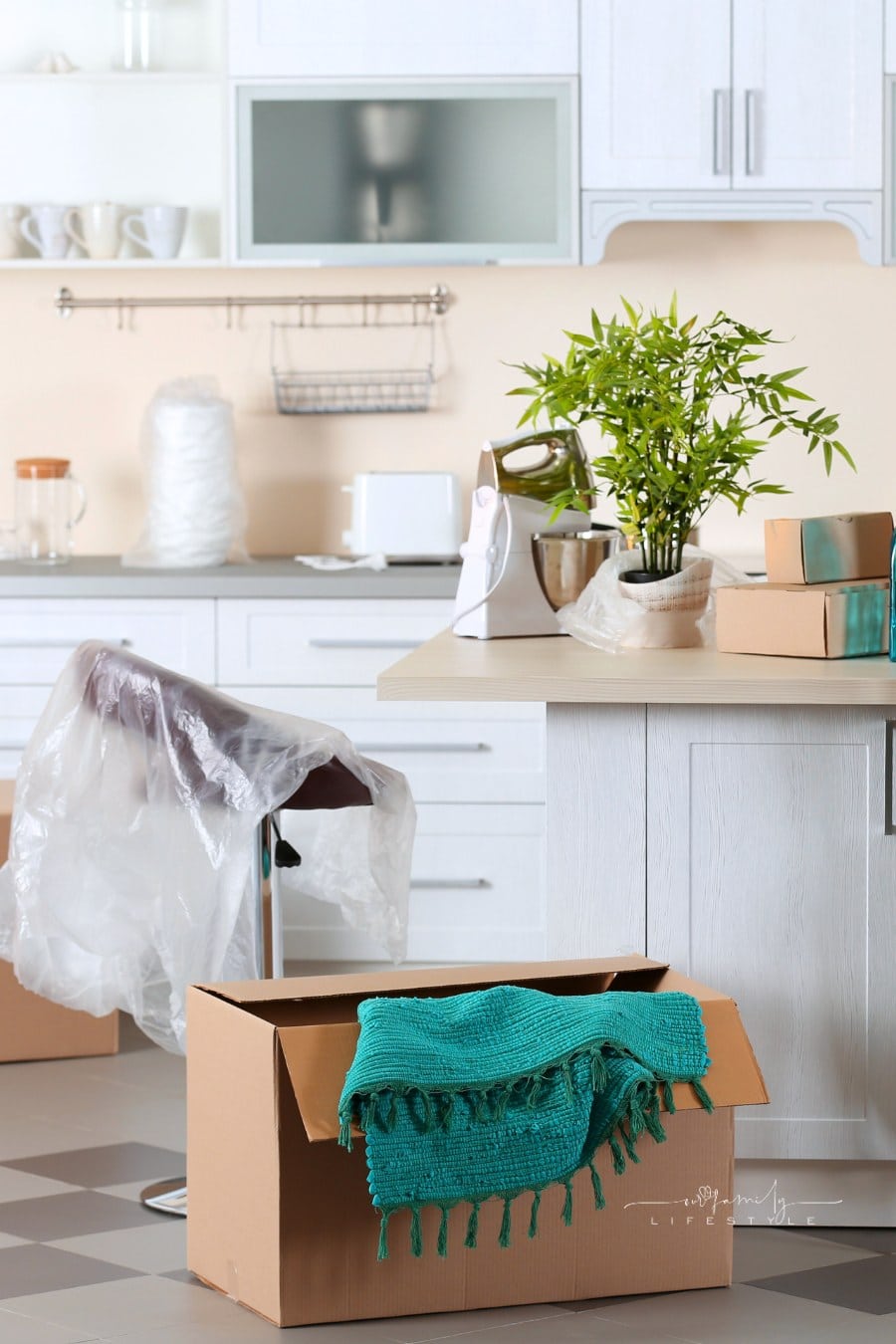
Start by addressing the essentials, such as unpacking, setting up utilities, and changing the locks. These practical tasks are necessary for your immediate comfort and safety.
Next, prioritize the projects that will have the most significant impact on your daily life. This might include painting rooms, installing shelves, or replacing outdated appliances.
You can also make cosmetic improvements, such as adding new curtains or arranging furniture to improve the flow of the space.
Consider adding personal touches, like incorporating artificial flowers for a touch of nature that doesn’t require maintenance.
Once immediate projects are completed, focus on long-term improvements that will increase the value of your home.
Consider renovations like upgrading the kitchen or bathroom or even landscaping your yard.
While these projects might take time and investment, they can make a lasting difference in your enjoyment of the home and its market value.
Lastly, don’t forget the importance of organizing and decorating. Your new home should reflect your style, so take time to choose decor that enhances the space.
Whether you prefer a minimalist look or something more eclectic, your home should feel like yours. Once everything is set up, you'll be able to enjoy your new space and truly feel at home.
Maintaining Your Investment: Essential Homeownership Responsibilities and Upkeep
Owning a home is not just about the initial purchase and move-in; it also involves ongoing responsibilities to maintain its condition
One of the most important tasks is keeping up with regular maintenance, such as checking the roof for damage, cleaning gutters, and servicing HVAC systems.
Another key responsibility is managing utilities and bills. Monitor your energy consumption and look for ways to save on utilities, such as switching to energy-efficient appliances or updating insulation.
Also, monitor water usage and maintain the plumbing system to prevent issues like leaks and water damage.
Lastly, planning for the future is essential to setting aside funds for unexpected repairs or upgrades.
Homeownership often brings surprise expenses, from a broken appliance to roof damage caused by a storm.
Having an emergency fund can give you peace of mind and ensure you're prepared to address any issues that arise.
Overall, buying and setting up your first home requires careful planning and focusing on immediate and long-term needs.
By staying organized and maintaining your property, you can ensure your home remains a valuable and comfortable investment for years to come.