


Mold spores often get a bad rap, especially among folks prone to allergies. That unmistakable musty scent or the sight of dark mold patches can stir immediate worry about health risks.
But here's the real question: when it comes to managing mold, mildew, and the allergies it provokes, can an air purifiers allergies system eliminate mold, or is it just temporarily catching spores before they come back?
The answer lies somewhere between scientific reality and clever product hype. Let's look closer at how modern air purifiers function, particularly for those facing indoor mold problems and allergy-related symptoms.
Mold: More Than Meets the Eye
Mold is a fungus that thrives in areas with moisture, warmth, and organic matter. Think bathrooms, basements, and anywhere that's suffered water damage. The real trouble isn't the mold you can see—it's the invisible mold spores drifting through the air.
These tiny particles settle on damp surfaces, growing mold colonies and setting off symptoms like sneezing, itchy skin, and headaches.
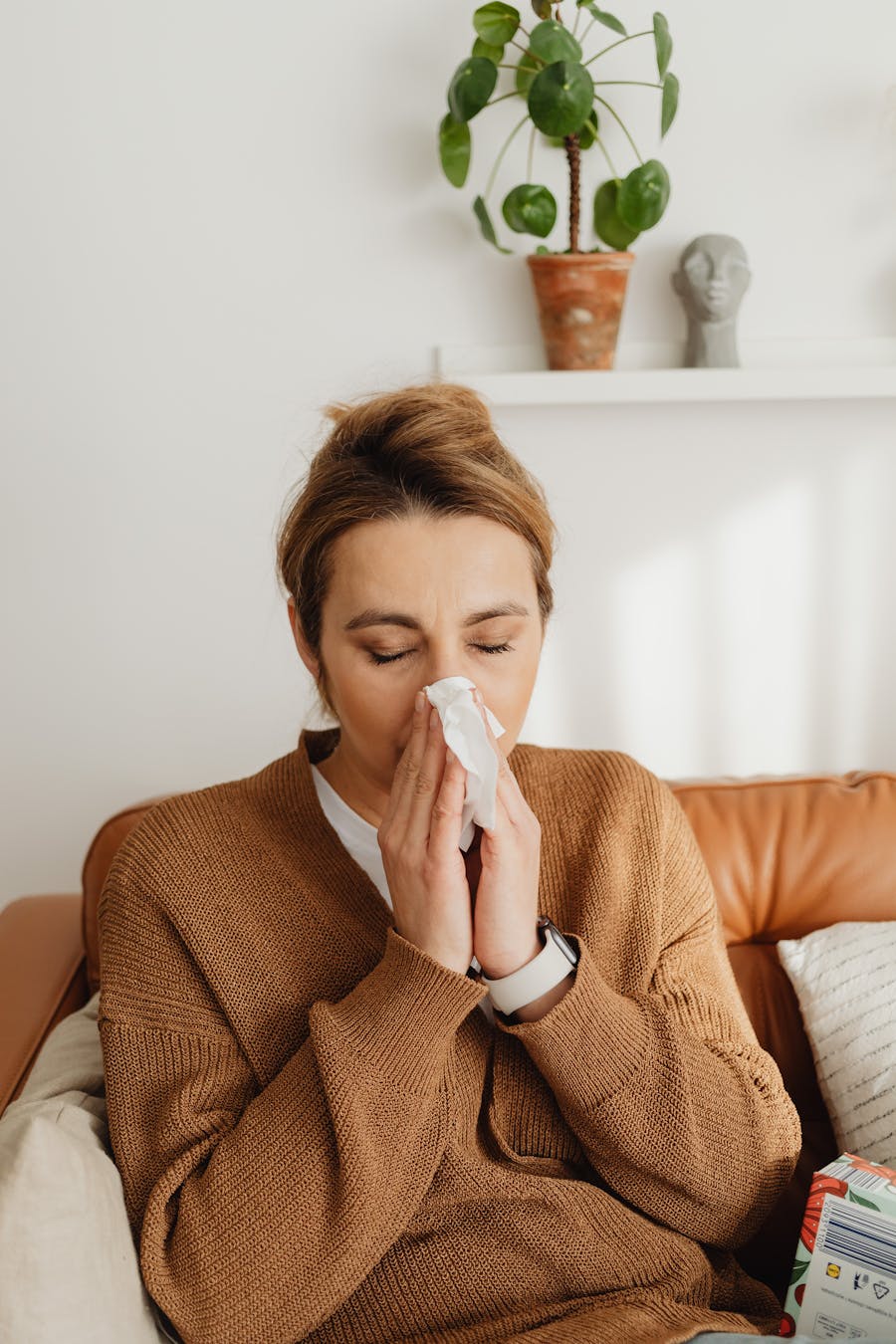
Indoor mold exposure has been linked to mild allergy flare-ups, severe respiratory issues, and asthma. Mold-sensitive people might experience anything from watery eyes to an allergic reaction and difficulty breathing, especially if the home has high humidity and poor ventilation.
How Air Purifiers Tackle Mold
Air purification technology has come a long way. Today, the best mold air purifier isn't just about filtering out spores—it's about neutralizing them completely and stopping future outbreaks
Let's explore what makes these systems effective, particularly those using cutting-edge methods like PECO HEPA.
Traditional HEPA Filtration
A HEPA air purifier (High-Efficiency Particulate Air) can trap particles as small as 0.3 microns, including mold spores, dust, pollen, and even bacteria.
These filters do a great job of capturing airborne mold spores and other particles from the air. But here's the kicker: the spores remain alive inside the filter. Without timely filter changes, mold might begin growing inside the unit itself.
PECO HEPA: Beyond Just Capturing
This is where PECO HEPA technology changes the game. Instead of trapping particles, it breaks them down at a molecular level using light-activated reactions. That means true mold destruction, not just containment.
Some models even come with smart tech—like particle sensors and wi fi connectivity—that allow them to adjust their settings based on real-time air quality.
VOC Cleanup
Mold doesn't just release spores and emit volatile organic compounds (VOCs), which can further degrade air quality and exacerbate allergies.
The best air purifiers for allergies now use a combination of HEPA, PECO, and activated carbon layers. Together, they clean the air of spores, chemicals, and allergens to create a noticeably healthier indoor space.
Real-World Performance vs. Marketing Myths
It's easy to be wowed by product claims like "kills 99.9% of mold" or "removes all allergens." But how do these claims stack up in actual performance when so many users report mold-related health problems?
- Filtration performance: The effectiveness of an air purifier depends on its size, placement, and quality of filters. Units with a high Clean Air Delivery Rate (CADR) and smart filtration consistently reduce airborne mold and allergens.
- Replacement filters: Don't skip on maintenance. Filters need regular changing to prevent mold regrowth inside the machine.
- No "set and forget": While air purifiers play a big role in controlling mold and outdoor mold , they're not a cure-all. Keeping indoor humidity below 50%, using a dehumidifier, and fixing leaks are just as critical.
Statistical Data Table: Mold and Air Purifier Effectiveness
| Feature/Metric | Traditional HEPA Filter | PECO HEPA (e.g., Molekule) | Without Purifier |
| Mold Spore Capture | 99% | 99% | <10% |
| Mold Spore Destruction | Low | 95-98% | 0% |
| VOC and Pollen Removal | Limited (with carbon) | High | 0% |
| Allergy Symptom Reduction | Moderate | High | Low |
| Filtration Performance Time | Slower (large particles) | Fast (allergens + chemicals) | None |
| Ozone Emission | Some (certain models) | None (PECO systems) | N/A |
Are Air Purifiers Enough for Mold Allergies?
If you're dealing with mold allergy or other airborne sensitivities, the most effective air purifier combines HEPA filters, PECO destruction, VOC cleanup, and sensors for continuous monitoring.
Particle sensors are convenient—they let your purifier identify and respond dynamically when mold levels rise, such as after vacuuming or on humid days.
Still, for persistent mold problems—like those following water damage—it's essential to tackle the root cause: fix the leak, dry the space, and replace affected materials.
Air purifiers are a great piece of the puzzle, but they work best as part of a larger strategy to treat and maintain a clean and healthy home.
FAQs
Q1: Does a HEPA air purifier get rid of mold?
HEPA filters can capture mold spores but not kill them. For destruction, go with PECO or similar technologies.
Q2: How often should filters be replaced?
To prevent mold from growing inside the device, replace the HEPA and carbon filters every 6–12 months, or as recommended.
Q3: Can air purifiers help with mold allergy symptoms?
Absolutely. Models that include HEPA and PECO can significantly reduce exposure to airborne mold and other allergens.
Q4: Are air purifiers effective for visible mold?
Not directly. They remove airborne spores but don't clean mold from walls or surfaces. Physical cleaning and dehumidification are still necessary.
Q5: Is ozone an issue with air purifiers?
Yes, for certain older models. To stay safe, choose purifiers that are specifically labeled as ozone-free.
Conclusion
Let today's most advanced air purifier allergy systems help you breathe easier—and glide right past those old mold myths before purchasing.