

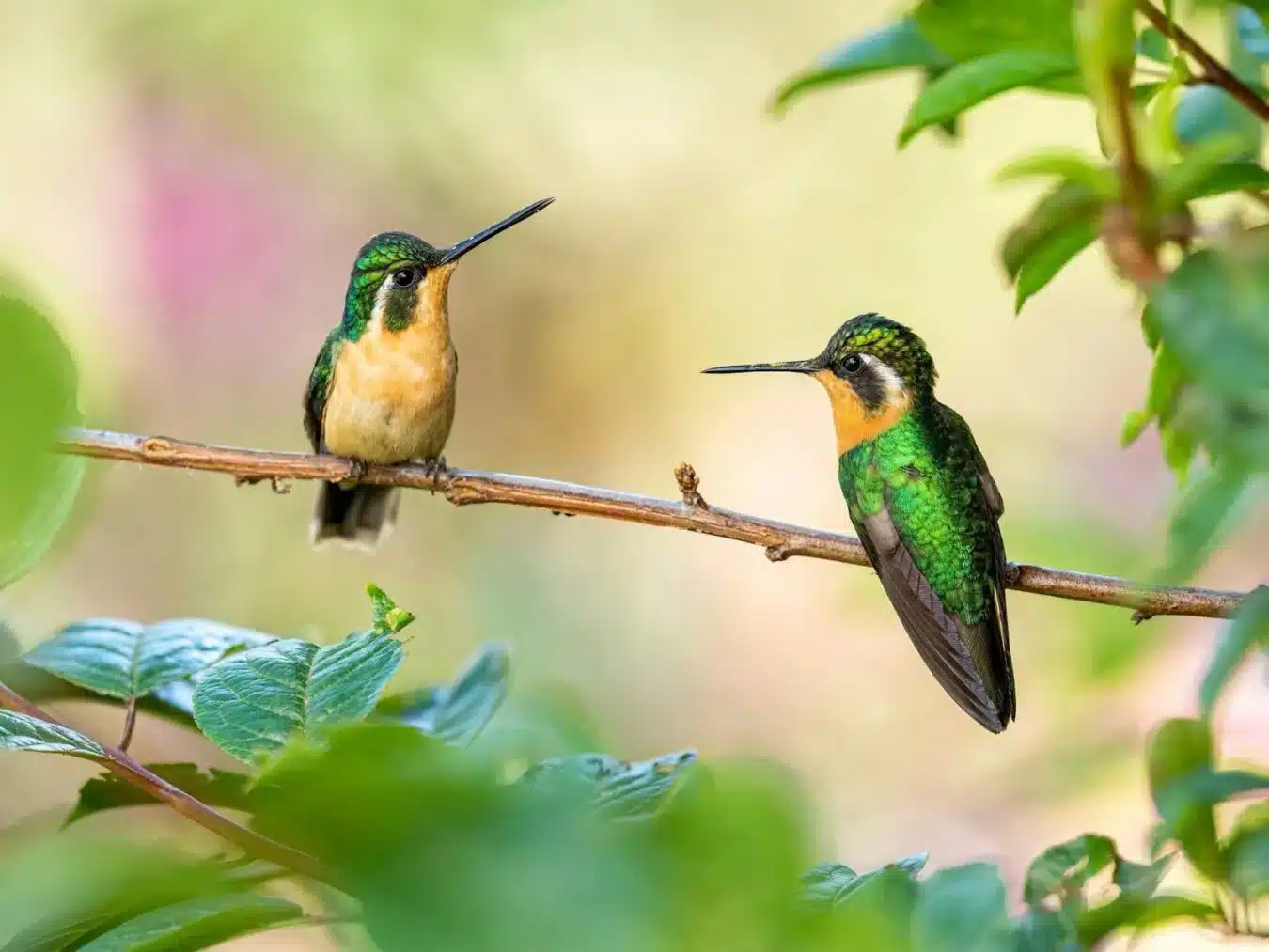
Gardening isn’t only about cultivating plants—it’s also about creating life. A truly thriving garden welcomes movement, song, and interaction. And few things bring more vitality to a backyard than birds. They add energy, control pests, spread seeds, and reward us with color and melody through every season.
But as the months change, so do the needs of our feathered visitors. Just as we adapt our planting strategies to suit the weather, we should also adjust how and what we feed the birds that visit our gardens. Understanding their seasonal rhythms allows us to support local wildlife and keep our gardens ecologically balanced year-round.
Spring: Welcoming the Migrants Back Home
Spring is a season of renewal—for both plants and birds. As migratory species return from their winter journeys, gardens become essential stopover points where they can rest and refuel.
This is the time to clean and refill your feeders after winter. Remove any leftover seed or residue that could harbor mold or bacteria. Early-season offerings should include black oil sunflower seeds, which appeal to a wide variety of birds, as well as mealworms to help insectivorous species regain energy.
If you live in a region visited by hummingbirds, spring is also when they begin arriving in search of nectar. Hanging a clean nectar feeder early ensures they recognize your garden as a reliable food source for the season. Placing feeders near brightly colored flowers such as columbines, salvias, or penstemons creates a natural synergy between your plantings and the birds’ feeding habits.
By using well-designed feeders—like those from Kingsyard—you can make seasonal transitions easier. Their durable construction and thoughtful designs simplify cleaning, refilling, and adjusting for different food types, ensuring a safe and reliable feeding station for all visitors.
Summer: Supporting Nesting and Growth
During the summer months, many bird species are nesting, raising their young, and molting. Their energy needs increase, and natural food sources may fluctuate depending on rainfall and temperature.
Insects are abundant this time of year, but supplementing with protein-rich food such as mealworms can help parent birds feed their chicks. A suet feeder in a shaded area can also provide essential fats, particularly during cooler mornings or rainy spells when insects are less active.
Fresh water is just as important as food. A birdbath or small fountain will attract species that might not visit feeders, while also providing a safe place to drink and bathe. Clean the water feature every few days to prevent algae and mosquito buildup.
In warm climates, avoid letting seed or suet spoil in the heat—small, frequent refills are better than overstocking. It’s also a good time to trim back overgrown foliage around feeders to keep perching areas open and safe from predators.
Autumn: Preparing for Migration and Scarcity
As autumn arrives, your garden transforms once again. Migratory birds begin fueling up for long journeys, while resident species start preparing for leaner months ahead. This is when reliable feeding becomes essential.
Focus on high-fat and high-protein foods—black oil sunflower seeds, peanuts, safflower seeds, and suet cakes. These help birds store the energy they’ll need to survive migration or the coming cold.
This season is also ideal for adding native berry-producing plants such as serviceberry, dogwood, or viburnum. These shrubs not only beautify your garden but also offer natural food sources late into fall.
If you’ve been using multiple types of feeders throughout the year—tube, hopper, or platform—it’s smart to give them a deep clean before winter. Wash with a mild bleach solution (1 part bleach to 9 parts water), rinse thoroughly, and allow them to dry before refilling. Clean feeders mean healthier flocks.
Winter: Sustaining Life Through the Cold
Winter can be the hardest season for birds, especially in regions with snow or ice. Food sources are scarce, and energy demands soar. Offering dependable food during this time can make a life-saving difference.
Fill feeders with high-calorie seeds and suet blocks, which provide warmth through metabolized fat. Keep them full and check frequently—birds burn calories quickly in cold weather.
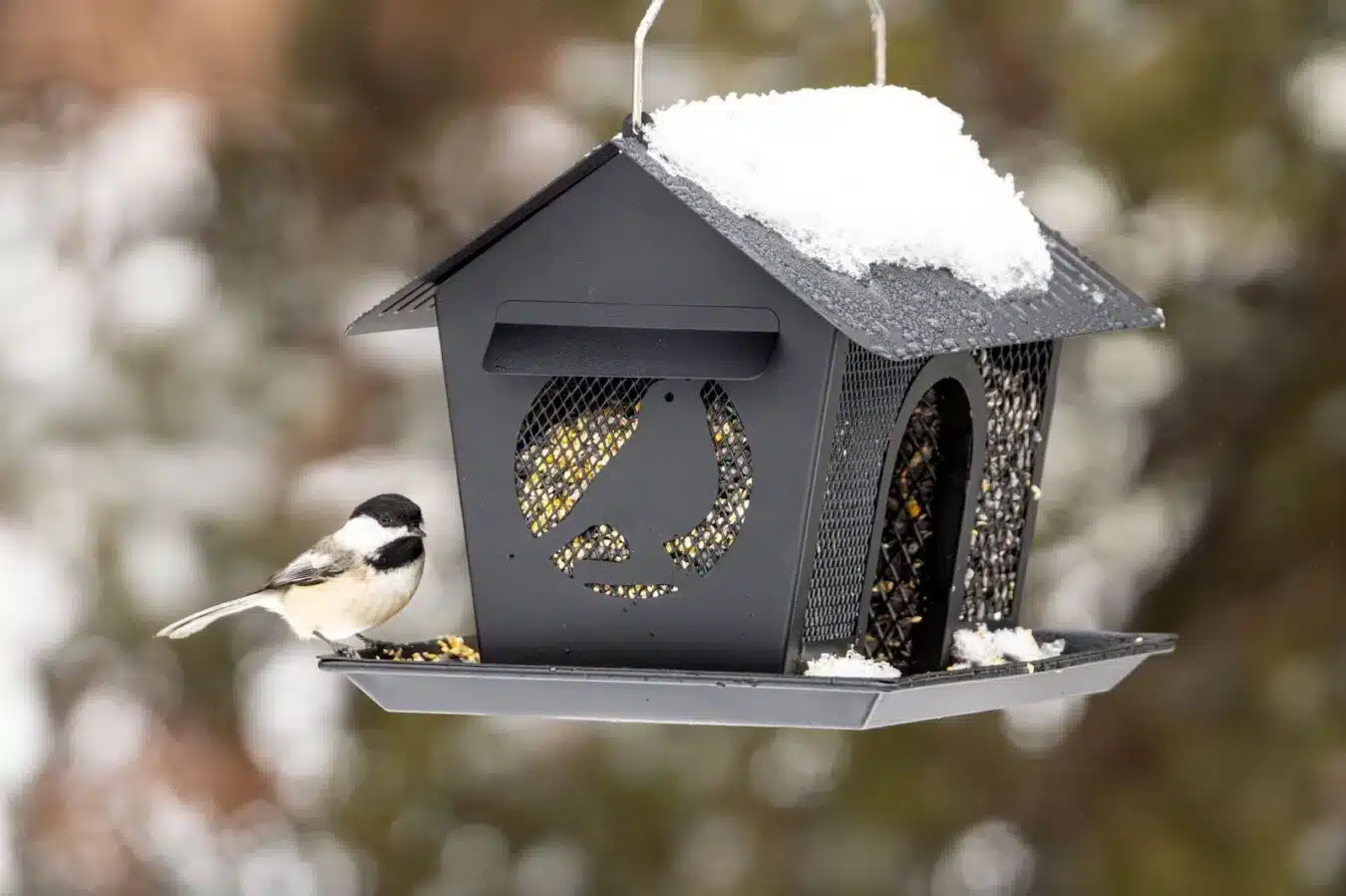
Position feeders in sheltered areas near evergreens or windbreaks to provide cover from the elements. You can also scatter some seed on the ground for ground-feeding species like juncos or doves, ensuring it’s placed on a dry, snow-free surface.
Using Kingsyard bird feeders during winter makes maintenance easier. Their weather-resistant materials and thoughtful perch design prevent ice buildup and allow multiple birds to feed comfortably. Plus, their sturdy construction ensures that your feeders stay functional even in harsh conditions.
And don’t forget water! A heated birdbath or shallow dish refreshed daily can be a lifeline when natural sources freeze.
Designing a Bird-Friendly Garden Year-Round
Feeding is only one part of a bird-friendly garden. To truly support wildlife, your outdoor space should meet all their needs—food, water, shelter, and nesting sites.
Here are a few practical tips to keep in mind:
- Plant for every season: Choose a mix of native plants that provide nectar, seeds, and berries at different times of the year.
- Offer layers of habitat: Birds feel safest in spaces with varying plant heights—groundcover, shrubs, and trees together create shelter and foraging zones.
- Minimize chemical use: Avoid pesticides and herbicides that can poison insects and seeds birds depend on.
- Leave some natural debris: Fallen leaves and seed heads provide winter foraging spots and nesting materials for spring.
These steps turn your garden into a living ecosystem that supports not just birds but pollinators and beneficial insects, creating a more balanced and self-sustaining space.
A Garden Alive With Purpose
When we garden for birds, we garden for balance. Feeding and nurturing them connects us to natural cycles that too often go unnoticed. Their presence rewards us—not just with beauty, but with ecological benefits that ripple through our yards and beyond.
Whether it’s the chatter of chickadees on a frosty morning or the shimmer of goldfinches in summer sunlight, birds remind us that gardens are not static—they’re alive.
By choosing thoughtful products like Kingsyard bird feeders and planting with purpose, every gardener can help sustain this life throughout the seasons. The result is a backyard that doesn’t just look good—it feels good, too.