

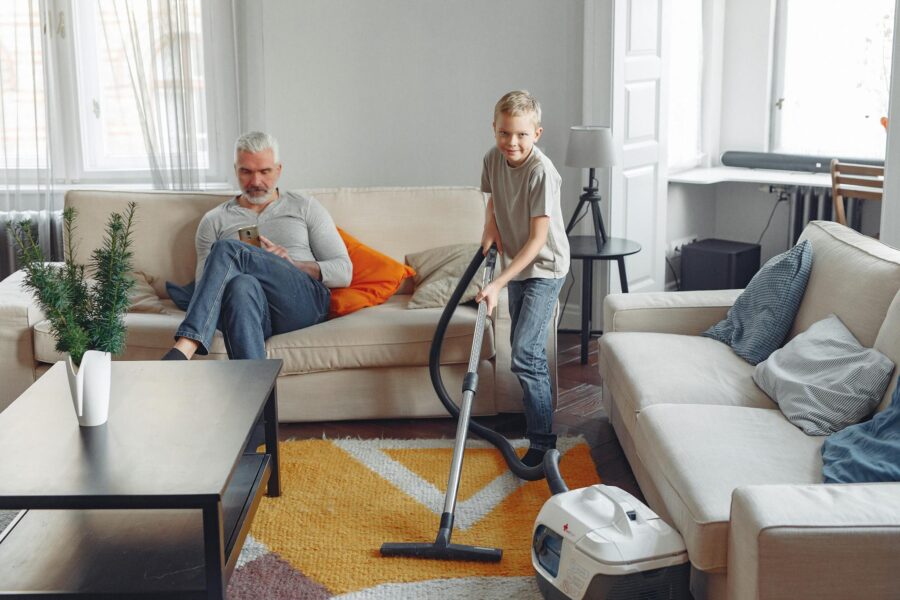
Maintaining a consistently clean home is a challenge that many families face, yet it can be transformed into an engaging and collaborative effort.
By involving every family member in the cleaning process, establishing a structured routine, and incorporating enjoyable elements, the task can become less burdensome.
Additionally, the use of age-appropriate responsibilities and kid-friendly supplies can foster a sense of ownership among younger members, a technique often encouraged by Seattle home cleaning professionals who specialize in family-friendly services.
However, the effectiveness of these strategies often hinges on one critical element that can substantially enhance participation and motivation.
Exploring this aspect may offer surprising insights into achieving a cleaner home.
Involve Everyone in Cleaning
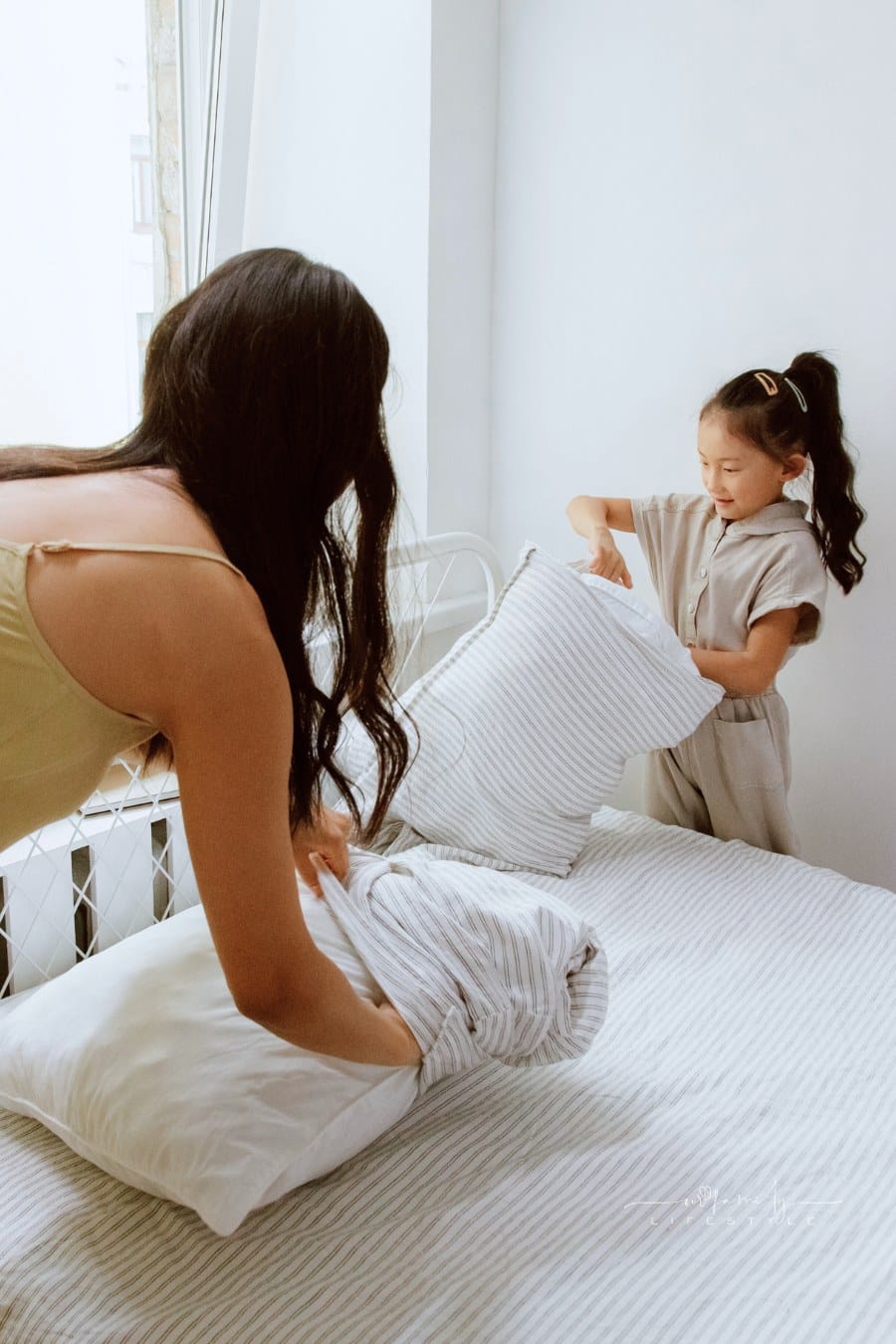
Involving everyone in the cleaning process can considerably enhance both efficiency and teamwork within a household.
When each family member participates, the tasks become less burdensome and more manageable.
This collaborative approach not only helps maintain a clean environment but also fosters a sense of responsibility and ownership among all members.
To effectively involve everyone, begin by assigning age-appropriate tasks.
Younger children can assist with picking up toys or dusting low surfaces, while older children and adults can take on more complex duties such as vacuuming or bathroom cleaning.
Clearly outlining these responsibilities guarantees that all members know their roles and what is expected of them.
Utilizing a cleaning chart can further streamline this process.
A visual representation of tasks can motivate family members and provide a sense of accomplishment when completed.
Consider scheduling regular family cleaning sessions—perhaps on weekends or designated days—to cultivate a routine that everyone anticipates and participates in.
Moreover, creating a positive atmosphere during cleaning time can enhance engagement.
Playing music or setting a timer for quick, focused cleaning sprints can make the experience enjoyable.
Recognizing and rewarding efforts, whether through verbal praise or a small treat, reinforces the value of teamwork.
Ultimately, involving everyone in cleaning not only leads to a neater home but also strengthens family bonds, instills valuable life skills, and creates a collaborative spirit that extends beyond household chores.
Establish a Cleaning Routine
Creating a consistent cleaning routine is essential for maintaining an organized and hygienic home.
Establishing a routine not only simplifies the cleaning process but also guarantees that tasks are completed regularly, preventing clutter and dirt from accumulating.
To begin, assess your home and identify specific cleaning tasks that need to be addressed daily, weekly, and monthly.
Daily tasks may include making the beds, washing dishes, and wiping down kitchen counters.
These small actions can markedly enhance the overall cleanliness of your home.
Weekly tasks might involve vacuuming, dusting, and mopping floors.
Allocate specific days for these chores, guaranteeing that they fit seamlessly into your family's schedule.
For example, designate Saturdays for deep cleaning bathrooms while keeping Sundays for laundry.
Monthly tasks should cover more intensive cleaning jobs, such as organizing closets or cleaning windows.
Create a calendar that outlines these tasks and assign responsibilities to family members.
This not only fosters accountability but also engages everyone in maintaining a clean environment.
Additionally, consider the time required for each task. Shorter tasks can be completed in 15 to 30 minutes, making it easier to incorporate them into busy schedules.
Encourage everyone to stick to the routine by setting reminders or using checklists, which can enhance motivation and guarantee compliance.
Make Cleaning Fun
Cleaning doesn't have to be a mundane chore; instead, it can become an enjoyable family activity.
By incorporating fun elements into the cleaning process, families can transform a routine task into an engaging experience that fosters teamwork and bonding.
One effective strategy is to turn cleaning into a game.
Create a friendly competition by setting a timer and challenging family members to see who can clean their designated area the fastest.
This not only adds excitement but also encourages efficiency.
Providing small rewards for participation or achievements, such as stickers or extra screen time, can further motivate children and create positive associations with cleaning.
Another approach is to incorporate music into cleaning sessions.
Create a playlist of upbeat songs that everyone enjoys and play it during cleaning time.
The rhythm and energy of the music can boost morale and make the process feel less tedious.
Singing along or dancing while cleaning can also lighten the atmosphere, making it a more enjoyable experience.
Additionally, consider assigning fun roles within the family.
For instance, one member can be the "designated DJ," another can be the "cheerleader," encouraging others, while someone else can be the "cleanup captain," ensuring everyone stays on task.
This division of roles can create a sense of responsibility and make each person feel valued.
Use Kid-Friendly Supplies
Choosing kid-friendly cleaning supplies is essential for guaranteeing a safe and enjoyable cleaning experience for the whole family.
When selecting cleaning products, prioritize non-toxic and eco-friendly options that minimize health risks for children and pets.
Many brands offer alternative formulations that effectively clean without harsh chemicals, making them suitable for households with young kids.
Start by stocking up on basic supplies that are easy for children to use.
Choose items such as vinegar, baking soda, and castile soap, which can tackle a variety of cleaning tasks while being safe for kids.
These natural ingredients are not only effective but also versatile, allowing you to create multiple cleaning solutions without the worry of toxic exposure.
Additionally, look for cleaning supplies that are specifically labeled as child-safe or hypoallergenic.
This labeling indicates that these products have been formulated to reduce the likelihood of allergic reactions and are safer for little hands.
Always read product labels to guarantee they meet safety standards.
Encourage children to participate in the cleaning process by providing them with their own set of kid-friendly cleaning tools, such as small brooms, mops, and cloths.
This inclusion fosters a sense of responsibility and teamwork while guaranteeing that the cleaning methods are safe and effective.
Organize Shared Spaces
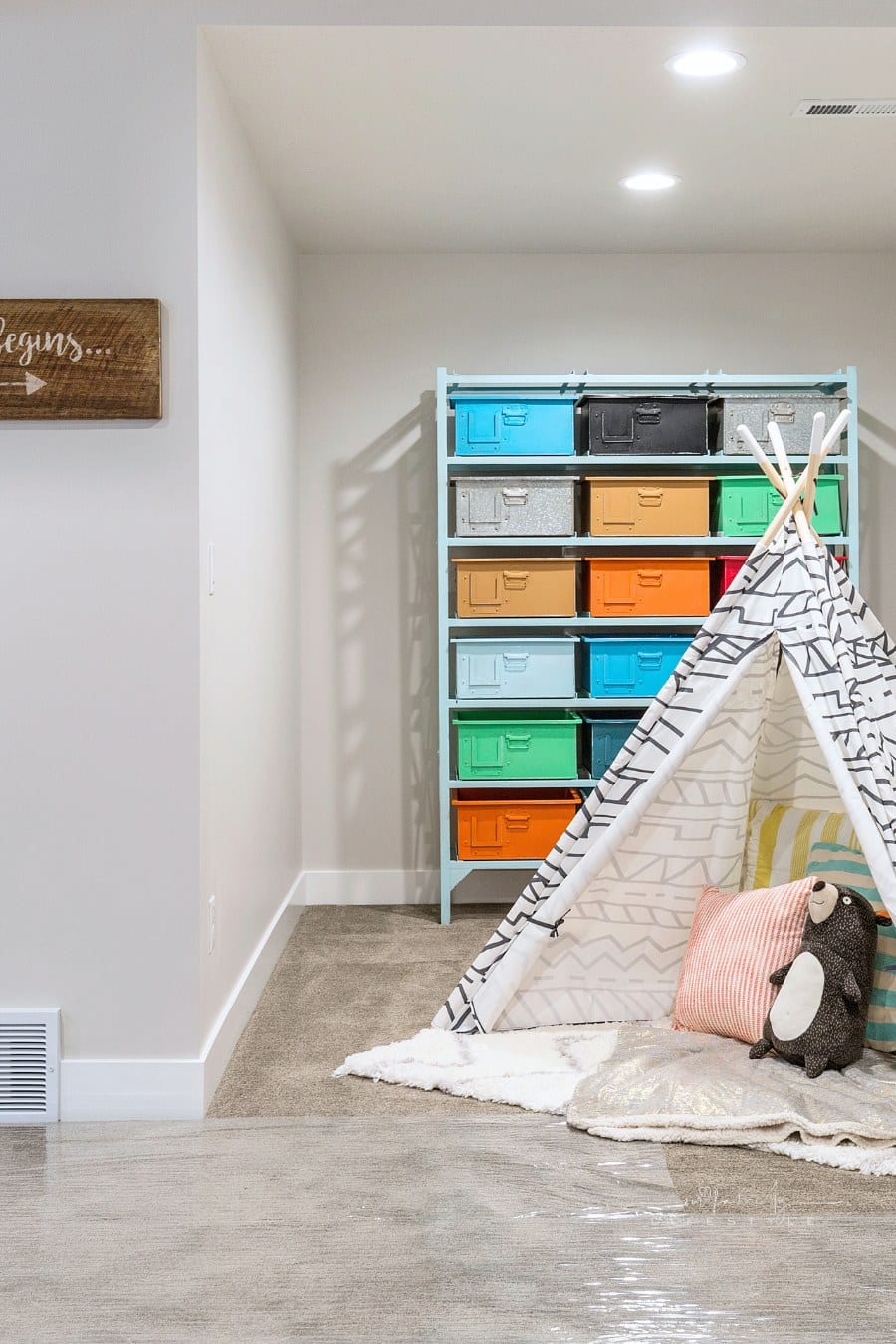
A well-organized shared space can greatly enhance the cleaning process and promote harmony within the home.
When family members know where items belong, maintaining order becomes a collaborative effort rather than a chore.
Here are three practical strategies to effectively organize shared spaces:
- Designate Zones: Clearly define areas for specific activities, such as reading, playing, or studying. This helps family members understand where to find and return items, reducing clutter and promoting accountability.
- Utilize Storage Solutions: Invest in functional storage options, such as bins, baskets, or shelves, that suit the space and the family's needs. Labeling these containers can further streamline the process of putting items away. Consider vertical storage to maximize space, especially in smaller areas.
- Implement a Daily Reset Routine: Encourage family members to spend a few minutes each day tidying up shared spaces. This could include returning items to their designated zones, wiping down surfaces, and decluttering. Establishing a routine fosters a sense of ownership and responsibility.
Set Up Reward Systems
Incentivizing participation in household cleaning tasks can greatly enhance motivation among family members, making the process more enjoyable and less burdensome.
Establishing a reward system encourages accountability and fosters a sense of teamwork within the family.
To create an effective reward system, begin by determining specific cleaning tasks that need to be accomplished and assign point values to each task based on difficulty and time commitment.
For instance, vacuuming the living room might be worth five points, while cleaning the bathroom could merit ten points.
This point system allows family members to earn rewards through collective efforts.
Next, outline the rewards that can be redeemed with the points accumulated.
These might include small privileges, such as choosing a family movie for movie night, or tangible rewards like a favorite snack or a new book.
Verify that the rewards are appealing and age-appropriate to maintain enthusiasm.
Additionally, establish a periodic review of points, such as weekly or monthly, to allow family members to redeem their rewards.
This not only reinforces the habit of cleaning but also provides a sense of accomplishment as they see their efforts recognized.
Lead by Example
One of the most effective ways to encourage family members to engage in cleaning tasks is for parents to lead by example.
When adults model positive cleaning behaviors, children are more likely to adopt these habits themselves.
By demonstrating commitment to maintaining a clean environment, parents instill a sense of responsibility and pride in their children.
Here are three practical ways to lead by example in cleaning:
- Establish a Routine: Create a consistent cleaning schedule that includes daily, weekly, and monthly tasks. When children see their parents adhering to this routine, they are more likely to understand the importance of regular cleaning.
- Involve the Family: Make cleaning a family activity. Parents can invite children to participate in cleaning tasks, emphasizing teamwork. For example, while organizing the living room, parents can assign small tasks to children, making them feel included and valued.
- Show Enthusiasm: Approach cleaning with a positive attitude. When parents express enjoyment in tidying up, children are likely to mirror that enthusiasm. Use music or games to make the process more engaging, showcasing that cleaning can be fun rather than a chore.
Conclusion
In the grand tapestry of home life, each family member plays a crucial role, akin to threads weaving together a vibrant design.
A collective commitment to cleanliness transforms mundane chores into harmonious melodies, fostering unity and pride.
By establishing routines, incorporating fun, and employing appropriate tools, the household emerges as a sanctuary of order and tranquility.
Ultimately, the shared journey of maintaining a clean home cultivates not only an inviting environment but also strengthens familial bonds, creating lasting memories.