
Investing in solar panels for your home is smart, as it can provide both environmental and financial benefits.
Many homeowners are exploring the potential of shifting to solar energy due to its long-term cost savings and positive environmental impact.
With advances in technology and affordable options available, the installation of residential solar panels is becoming more accessible.
Understanding what factors to consider before committing to a solar panel installation can help individuals make confident and informed decisions.
Homeowners should evaluate if their property is suitable for solar panels and consider cost, potential savings, and installation process.
Making these informed choices guarantees that the solar investment aligns with their energy needs and future goals.
Initial Cost Evaluation
When considering solar panel installation, evaluating the initial costs is important. Typically, the price includes both equipment and labor expenses.
Equipment can account for about half of the total cost, with labor making up a significant portion of the rest.
Installation costs can vary depending on the system size and type of panels.
For instance, the size of the solar panel system might affect the final price tag, as mentioned in an article discussing factors affecting solar panel costs.
Additional expenses like permits and overhead should also be considered. These fees can be part of the remaining costs not covered by equipment or labor.
Understanding these components will help you make an informed decision on the investment.
It's important to look at available financial options, such as loans or leases, which can ease the burden of the upfront investment.
Understanding these costs can help determine the long-term financial benefits of installing solar panels.
Energy Requirements Analysis
When planning to install solar panels, the first step is to look at the amount of energy needed. This involves checking current energy bills to understand usage patterns.
Knowing how much electricity is used monthly helps select the right size for a solar power system.
It's important to set energy goals. Some people want to reduce their electricity bills, while others aim for complete energy independence.
Determining these goals can guide decisions about the size and type of system to install.
It's also beneficial to consider future energy needs. If there are plans for adding new appliances or expanding a home, these changes can impact energy consumption.
Being aware of these potential shifts can help you plan an effective solar panel system.
Roof Suitability Assessment
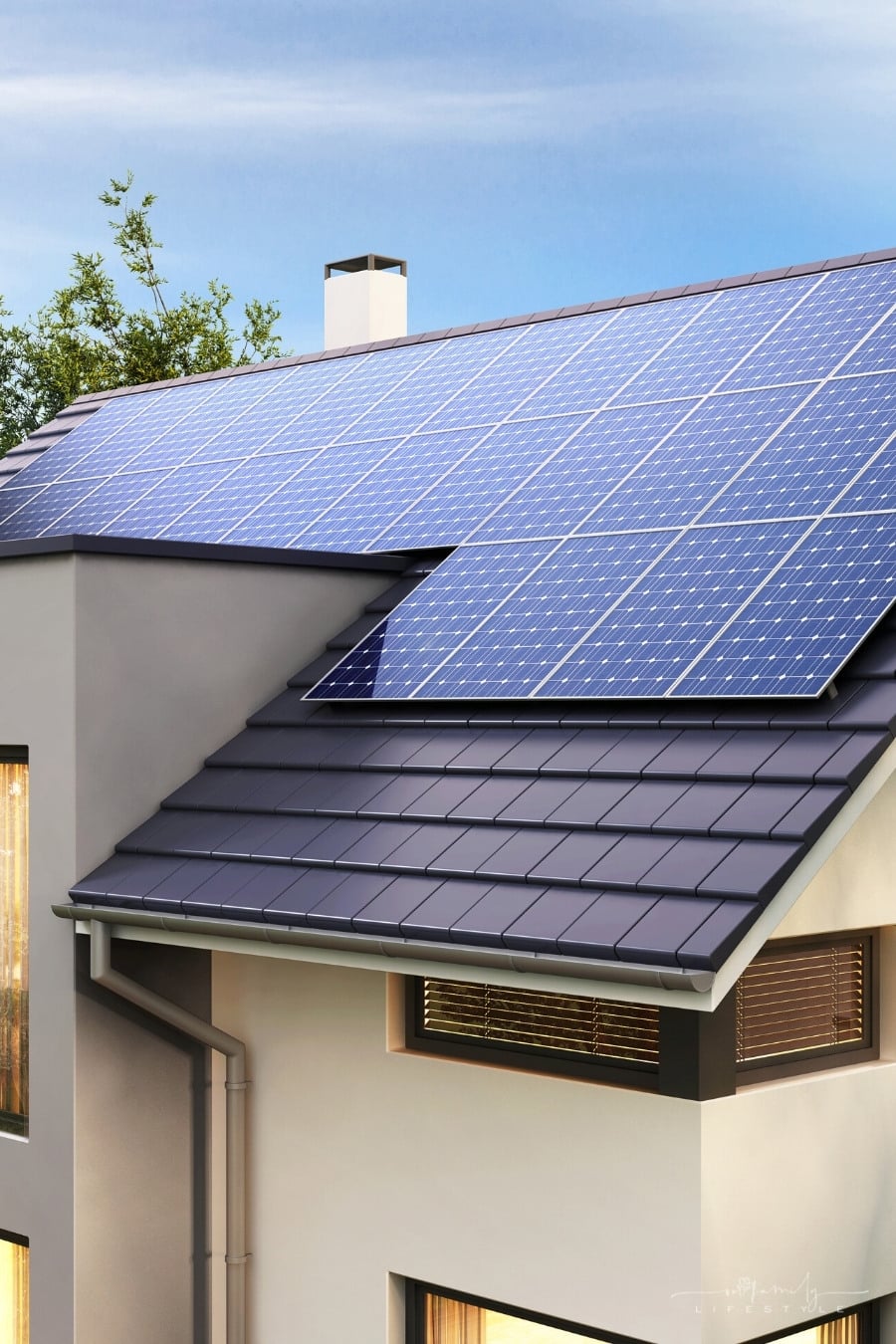
Before installing solar panels, it's important to evaluate the roof's condition. Checking for damage or leaks is key. Roofs with missing shingles or cracks might not support panels well.
The roof's angle and direction impact solar panel efficiency. South-facing roofs usually get the most sunlight, making them ideal. The pitch also matters; an angle of 30 to 45 degrees often works best.
Shading from nearby trees or buildings affects solar panel output. A clear roof with minimal shading improves energy generation.
It's also necessary to consider roof materials, as some materials support solar panels better than others. For example, metal and tile roofs can be suitable.
Lastly, assess the overall size and structural strength of the roof. The roof should be large enough to hold the panels and sturdy enough to support their weight.
Incentives and Rebates Research
When considering solar panel installation, exploring available incentives and rebates is important. These financial benefits can help reduce the overall cost of your solar energy system.
Reducing the upfront investment makes solar energy accessible to more people.
Several types of incentives exist at different federal, state, and local levels. For instance, the Federal Solar Tax Credit allows participants to deduct a percentage of their system costs from federal taxes. It's beneficial to research what's available in your area.
Utility companies or local governments may also offer rebates. Timing is key since these programs can expire or change.
Understanding which incentives best suit your needs can ease the transition to solar energy, making it a worthwhile investment. Guarantee to take full advantage of any deadlines or application requirements.
Installer Reputation Check
When considering solar panel installation, it's important to evaluate the reputation of potential installers.
A good starting point is to check online reviews from previous customers. These reviews can reveal insights about the company's professionalism and quality of work.
Besides customer feedback, it's helpful to research industry certifications or awards the installer might have received. These can indicate that the company adheres to high standards.
Another key aspect is to consult third-party resources. Websites offering ratings or solar installers' accreditations can be invaluable for comparing different companies.
For phrases like "solar contractors" or "solar companies," look for credible results and listings online.
Warranty and Aftercare Comparison
When investing in solar panels, understanding the warranty is important. There are two main types of warranties: product and performance.
A product warranty covers physical defects and typically lasts between 10 to 25 years. On the other hand, a performance warranty guarantees energy output over time, often promising 90% output at 10 years and 80% at 25 years.
Aftercare is another key factor to consider. After the initial installation, some companies offer maintenance services to address any issues.
This can include regular check-ups and troubleshooting. Reviewing the terms of aftercare support as part of the warranty package can provide peace of mind.
Evaluating these factors helps in deciding which company to choose for installation. Consider both the warranty period and the level of support offered after installation.
This will impact the long-term performance and cost-effectiveness of the solar panel system.
Conclusion
Investing in solar panel installation involves several important considerations. Factors such as the home's location, the roof's condition, and the local climate can greatly impact performance.
It is important to assess financial aspects like potential savings and incentives. Choosing the right equipment and installation services also plays a key role in the solar system's effectiveness.
Evaluating warranties and technical support are also steps that can benefit long-term performance and energy goals. With thoughtful planning and assessment, solar panels can offer sustainable energy solutions.