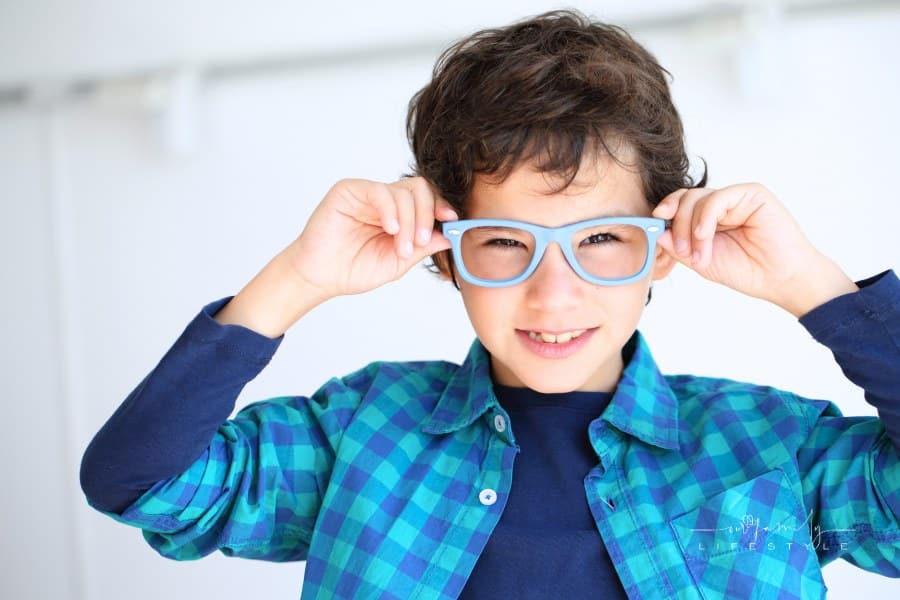
When it comes to your child's health, vision can often be overlooked until something goes wrong.
However, regular eye exams are essential for early detection of any issues that could impact their learning, development, and overall well-being.
The importance of eye health in children cannot be stressed enough especially since many conditions if caught early, can be treated successfully with minimal intervention.
So, how often should you take your child for an eye check-up? Let's dive into the answer.
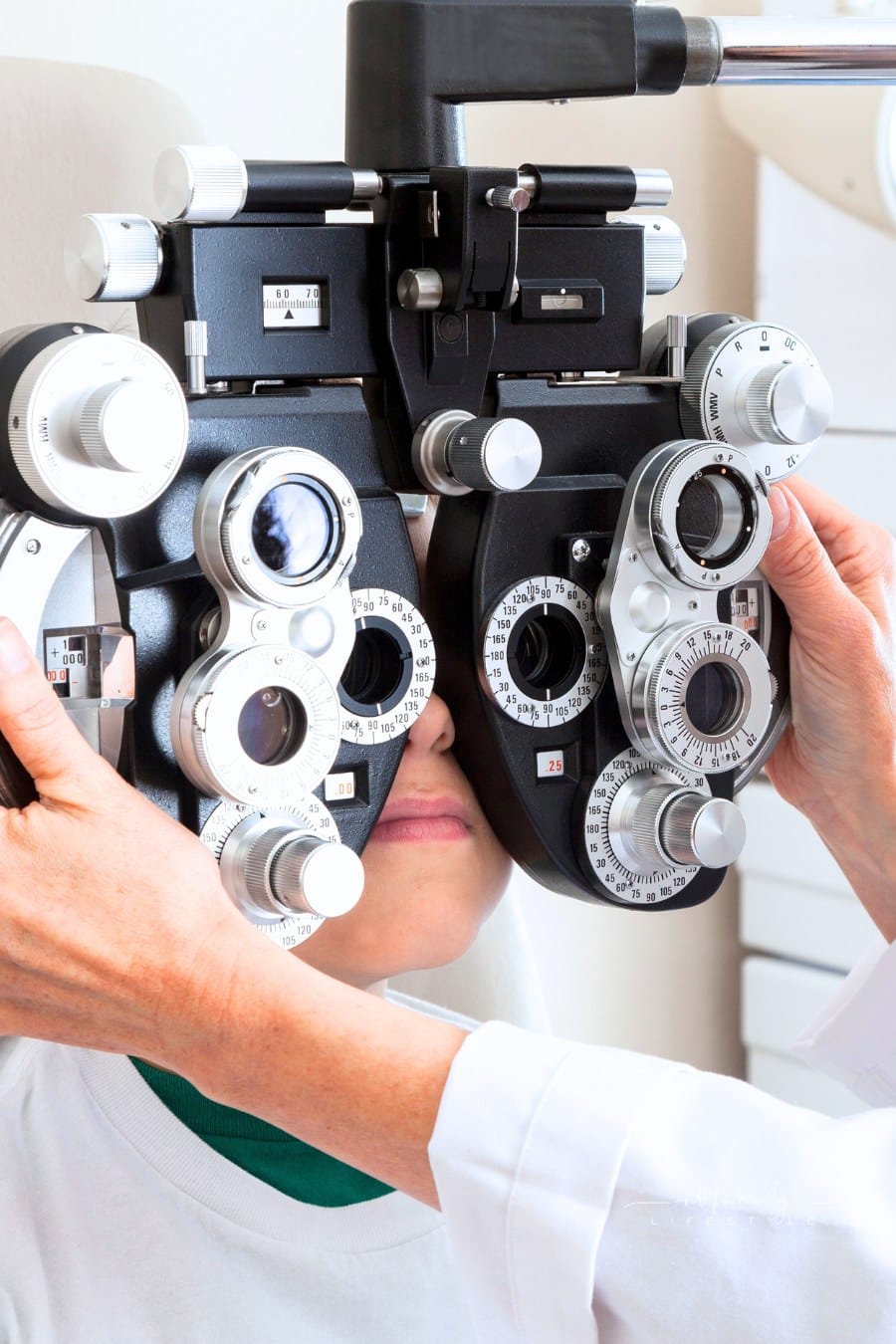
The Importance of Eye Health for Children
Eye health is critical for children's development, both academically and socially.
Problems such as nearsightedness (myopia), farsightedness (hyperopia), or even more complex conditions like amblyopia (lazy eye) and strabismus (crossed eyes) can significantly affect their ability to participate fully in school and play.
Often, children may not realize their vision is impaired, and they might not complain of problems with their eyesight. This makes regular check-ups essential for catching issues early.
Pure Optical, known for its expertise in children's vision care, recommends regular eye exams to ensure any potential problems are identified and treated quickly, especially in the crucial early years.
When Should You Start Regular Eye Check-Ups?
Most health professionals agree that the first eye exam should occur around six months of age. This initial check-up aims to spot any serious conditions that could hinder a child’s ability to see properly as they grow.
After the first exam, it's important to schedule another check-up at around three years old. By this age, children should be able to follow simple visual tests to detect conditions like strabismus or refractive errors.
Once your child starts school, it's essential to have an eye exam at least every two years.
However, if your child wears glasses or has been diagnosed with any eye conditions, more frequent visits may be necessary.
Regular eye exams will not only help monitor existing conditions but will also ensure that any new vision problems are detected early.
Signs That Your Child May Need an Eye Check-Up
In some cases, parents might notice symptoms that suggest their child is experiencing vision problems. Some common signs to look out for include:
- Squinting or holding books too close
- Complaints of headaches or eye pain
- Difficulty seeing the board in class or reading the screen
- Frequent eye rubbing
- Avoiding reading or activities that require focus
If you observe any of these signs, it's crucial to schedule an eye exam as soon as possible.
Early detection of conditions like myopia or astigmatism can help prevent further complications and ensure your child doesn't fall behind in their academic or social development.
Conclusion
While routine eye exams are crucial, ensuring your child practices good eye care habits is equally important.
Encourage activities that help reduce eye strain, such as limiting screen time, taking breaks during homework or reading, and promoting outdoor activities.
Ensuring your child eats a balanced diet rich in vitamins A, C, and E, as well as omega-3 fatty acids can also contribute to overall eye health.
Ultimately, making eye health a priority and maintaining regular check-ups will ensure that your child enjoys healthy vision throughout their life.
So, don’t wait for a problem to arise—schedule that eye exam and keep their vision on track for the future!