


Diabetics represent one of the more serious health concerns in the modern world.
What was perceived as a disease that could be prevented by merely maintaining good health has, in fact, become a disease that affects millions worldwide.
As diabetes is a chronic disease, not an acute disease of the flu or common cold fever, it requires eternal caution and care since it may drastically affect other body parts seriously.
With increased awareness, early intervention, and novel therapies, it is now more possible to manage diabetes effectively than it ever was.
This article explains the subtlety of diabetes, from its very roots to state-of-the-art approaches to its management.
We will also be discussing the role of important lifestyle modifications and newer drugs in maintaining blood sugar levels and minimizing complications.
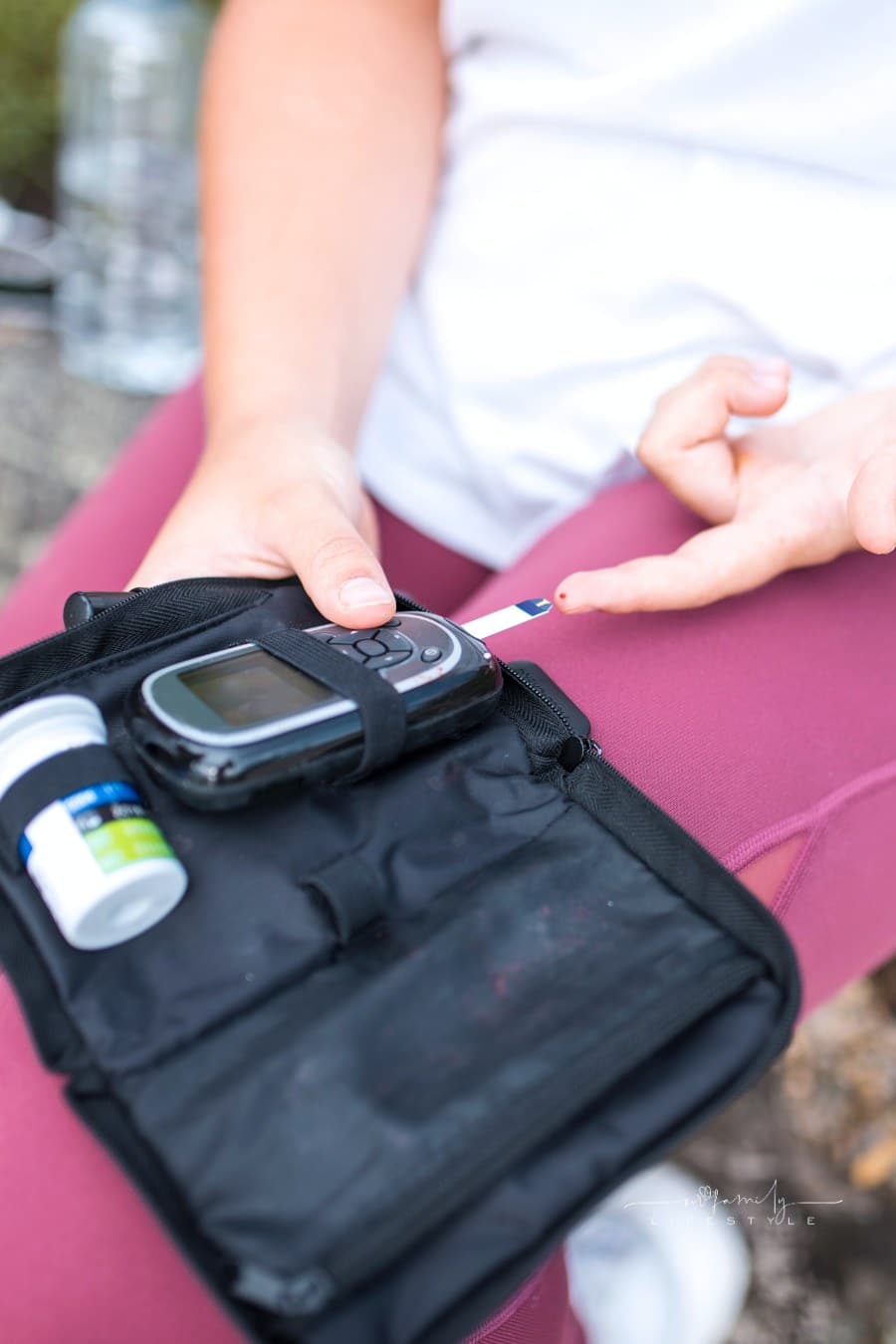
The Rising Challenge of Diabetes
Diabetes results from one of two main issues related to the use and production of insulin in the body.
Normally, insulin is a hormone that enables blood to take up glucose into the cells for energy utilization. If this mechanism is defective, glucose will build up in the bloodstream, causing high blood sugar levels.
While the prevalence of diabetes has risen worldwide, it is even more intriguing that little appears to be known of its early signs and the importance of early diagnosis among these people.
Though lifestyle may play a big role, the rise of diabetes is occurring partly due to genetics and partly due to environmental factors, with type 2 diabetes showing a phenomenal rise during the last few decades.
Why Early Detection Matters: The Silent Nature of Diabetes
Diabetes is often referred to as a "silent killer" since it usually has no manifesting symptoms in its early stage. Many persons might not even notice anything until significant damage has already been done.
Early signs of diabetes may include the following:
- Unquenchable thirst and frequent urination
- Unexplained weight loss
- Blurred vision
- Fatigue
- Slow-healing wounds
Unfortunately, such symptoms may emerge only after damaging the heart, kidneys, eyes, or other essential body organs.
This is why systematic examinations for the high-risk population — especially those who have inherited a tendency to diabetes or obesity — are so important.
The Toll of Diabetes on the Body: Complications to Watch For
When blood sugar levels are not well-controlled, diabetes can lead to a number of severe health complications:
- Heart Disease: Diabetes is a major risk factor for cardiac diseases. High blood glucose levels are toxic to the blood vessels and can also cause stroke.
- Kidney Damage: Diabetic nephropathy is a type of kidney disease. It affects many adults with diabetes and is the primary cause of end-stage renal disease. Diabetes damages the small blood vessels in the kidneys and reduces their ability to filter out wastes.
- Nerve Damage: Diabetic neuropathy begins when diabetes weakens nerves and causes pain and numbness, often starting in the feet and spreading to hands. In these extreme circumstances, the damage can result in loss of limbs.
- Vision Impairment: Diabetic retinopathy is another complication resulting from excessive blood sugar which affects blood vessels at the back of the eye which may lead to blindness.
The Future of Diabetes Care: New Ideas About Conditions and Their Healing
This is because medication and technology continue to play remarkable roles in making diabetes care the best in the coming years.
In the present generation patients of arthritis have quite a number of gadgets and treatment methods that help to handle the disease, and they are less of a hassle as compared to the previous generations.
1. Continuous Glucose Monitors (CGMs).
The improvement of diabetes care is the CGM, worn by the patient, which continuously monitors the glucose level in the patient’s body.
Such devices measure blood sugar levels during the day, with the patient and the doctor getting real-time results.
To reverse impending highs or lows, CGMs inform patients about changes that should be made to insulin doses, physical activity or food intake to achieve leveled blood sugar.
2. Insulin Pumps and Smart Pens
For type 1 diabetes, insulin pumps and smart pens used to deliver the hormone have become more effective in insulin delivery than traditional syringes.
The former enables accurate dose administration of insulin, thereby decreasing the frequency of injections and optimizing the users’ blood glucose levels.
Another important benefit of using these advanced insulin delivery tools is their potential to help regulate blood sugar more consistently throughout the day. By delivering precise doses based on real-time data, users can avoid drastic spikes or drops, supporting better overall diabetes management.
3. Medications like Ozempic
Ozempic is the newest wonder drug for type 2 diabetic individuals. A GLP-1 receptor agonist that enhances the functioning of insulin, controls high blood sugar levels, and even helps in weight loss.
When people with diabetes cannot manage their blood sugar levels effectively using conventional drugs and pills, concerns for a better and healthier life have led to an Ozempic private prescription.
4. Artificial Pancreas Systems
Emergence of artificial pancreas systems uses insulin pumps and CGMs as a single system to regulate the insulin supply. Hence, it restores the normal condition of the pancreas.
Currently considered as an experimental tool, artificial pancreas technology, if developed further, will allow the diabetic patient to come very close to an automatic regulation of their condition.
Diet, Exercise, and Lifestyle: Diabetes Care is at the Center of the Disease
It is a well-established fact today that pharmaceuticals and modern appliances are key, yet the core of managing diabetes lies in lifestyle.
Weight loss, a balanced diet, and regular exercise can go a long way in improving insulin sensitivity and dealing with blood glucose levels.
- Dietary Changes: Nutrition is paramount and thus a diet of whole-grain foods, lean meat, nuts, and fiber is the best. Reducing or avoiding highly processed foods, refined sugars, and simple carbohydrate foods is good for blood sugar.
- Physical Activity: Exercises have been shown to reduce the insulin level thus helping in regulating weight and blood glucose levels. This simple activity, such as a 30-minute walk, can drastically improve the management of type 2 diabetes.
- Weight Management: Even a small reduction in weight can significantly improve insulin sensitivity and, thereby, reduce blood sugar levels. Therefore, weight reduction forms an essential aspect of the management of type 2 diabetes among obese patients.
Psychological Support as Part of Management
Diabetes is devastatingly harming mental health. A chronic condition, one that requires continuous maintenance, can be beset by anxiety, depression, and burnout. Individuals with diabetes should seek out psychological and emotional support in their lives.
It could mean support groups, counseling, or even bringing up mental health issues with the health professional to manage overall well-being further and take some of the burdens off coping with the disease itself.
Final Words: Management of Diabetes Towards a Better Future
Though diabetes is tough to handle, considering the continuous development of medical treatments and technology, it promises a better future with improved living.
With the proper equipment, a focused approach to healthy living standards, and pharmaceutical intervention with drugs like Ozempic, diabetic patients can manage their condition and avoid further complications in life.
Additionally, a functional medicine practice offers personalized care that addresses the root causes of diabetes, further empowering individuals to take control of their health and improve their overall well-being.
It is all about early detection, education, and holistic treatment so that diabetes will not dictate the course of life.
A healthy lifestyle can be lived and enjoyed with much activity with minimal or no impact because of the condition if care for diabetes is addressed proactively.