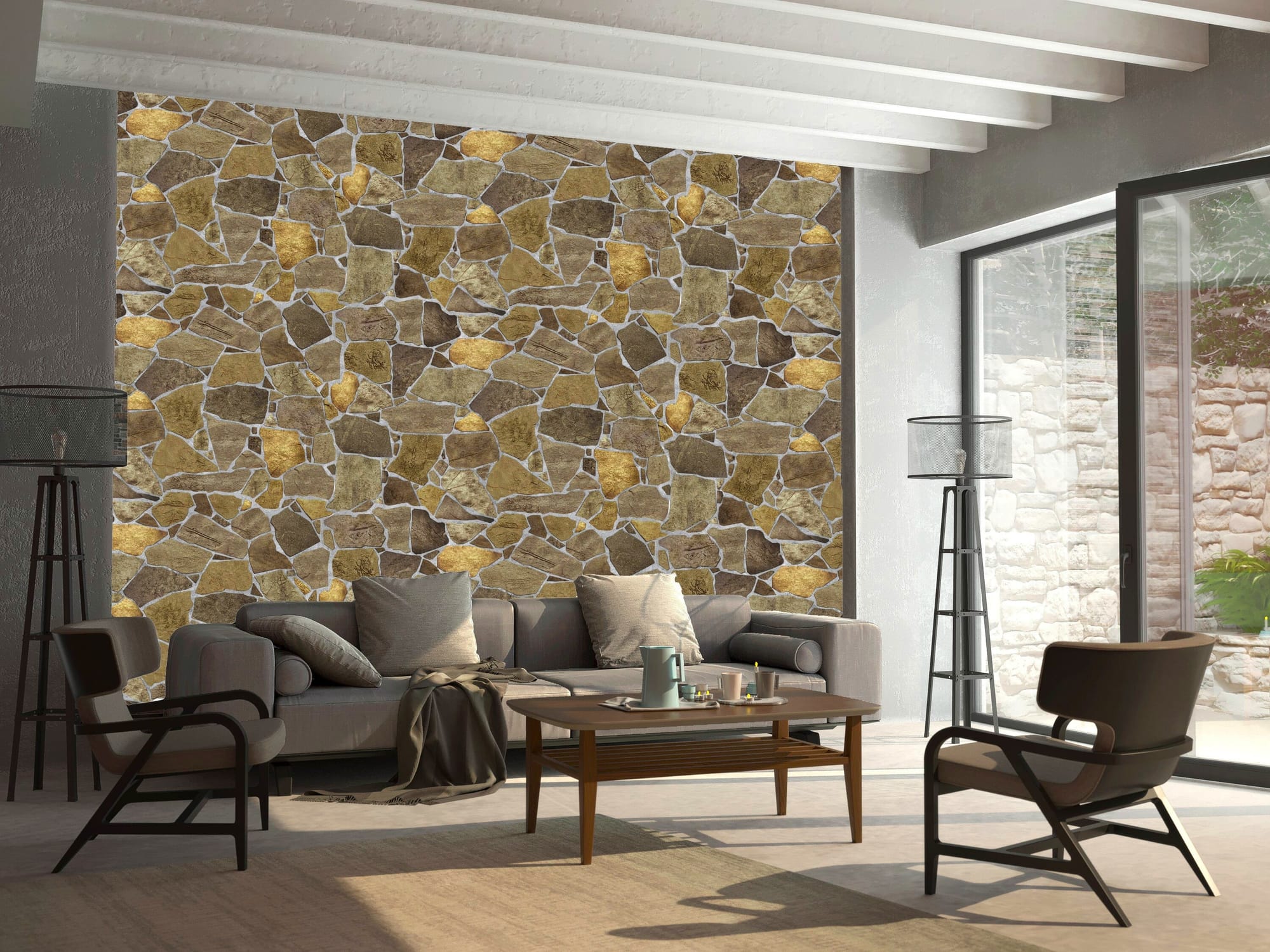


A restful home is more than a haven. It's where our bodies and minds find the peace needed to recharge. Serenity within our living spaces has increasingly become a priority, especially amidst the demands of daily life.
Curating an atmosphere that exudes comfort doesn't require a drastic overhaul. Instead, strategic changes can transform any home into a restful sanctuary.
Below, we explore some concrete strategies to achieve an ambiance of tranquility.
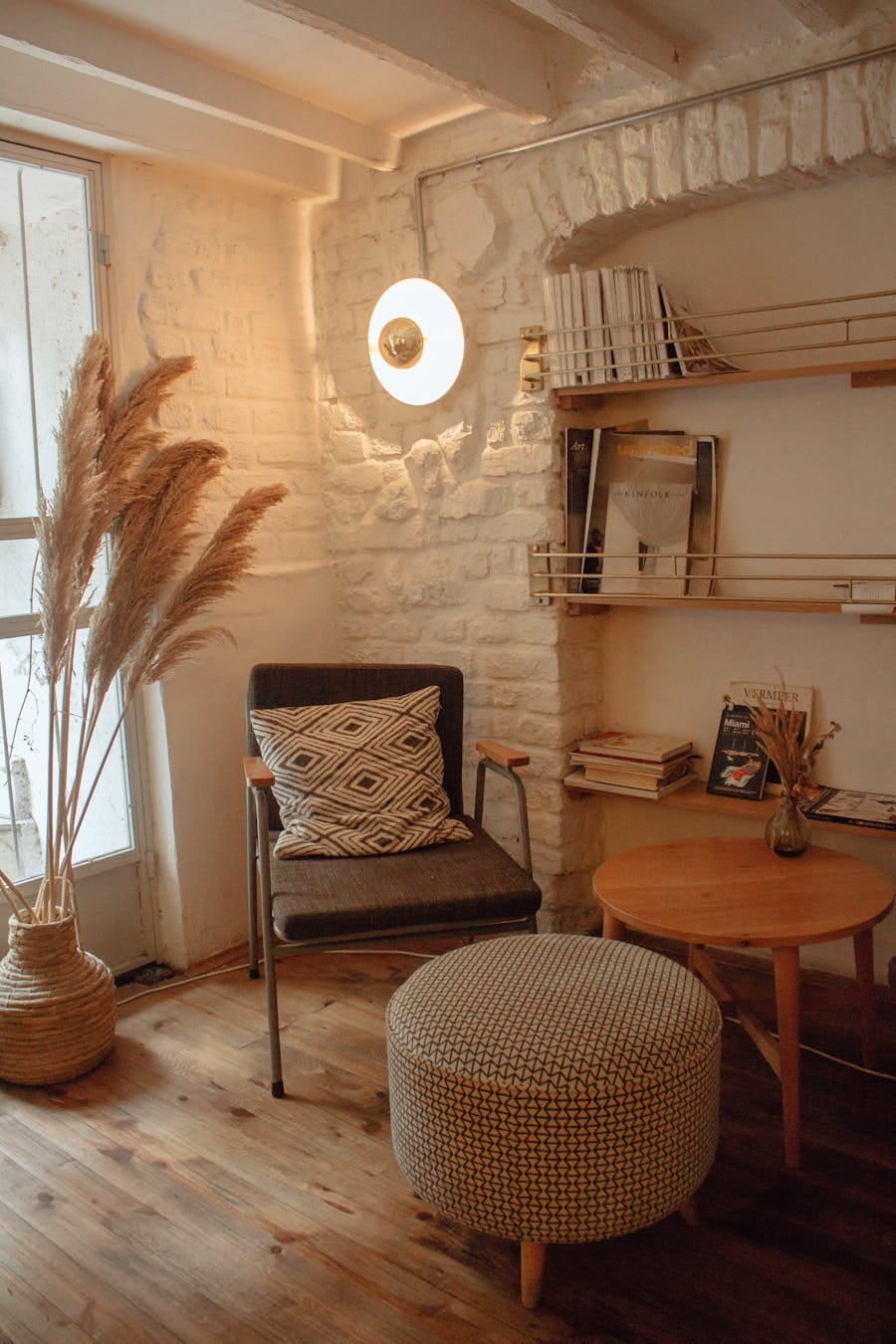
Simplify Your Space
Clutter is the enemy of calm. This isn't just about cleanliness; it's about clear surfaces and organized environments. Marie Kondo understood the profound impact of decluttering, and there’s wisdom there.
Begin by interacting honestly with your belongings and identifying what truly serves your space and spirit. This action will pave the way for more breathing room, both literally and metaphorically.
It's worth considering the functionality of the furniture and items in your home. An optimized setup, where each piece has a purpose, can lead to greater mental clarity.
Opt for multipurpose furniture that maximizes space efficiency while also reducing visual noise caused by excess items. Limiting decoration to select sentimental pieces ensures your home remains personal yet uncluttered.
The Importance of Comfort
A hygge-inspired approach to home decor, focused on comfort, will surprisingly boost relaxation. Invest in soft cushions, luxurious throws, and plush rugs that invite you to sink in and unwind.
It’s not about extravagance but creating a tactile experience that underscores the welcoming atmosphere of your home.
As we weave tranquility into our spaces, considering the optimal functioning of household systems ensures year-round comfort.
It might be worthwhile, as part of your seasonal preparations, to ensure systems such as air conditioning are in top shape with a summer AC check up.
Such maintenance contributes to a peaceful environment by guaranteeing the steady climate control needed for relaxation.
Embrace Lower Light Levels
There's a reason why evening light is soft. Bright, overhead lighting can be jarring and harsh. To encourage relaxation, use lamps with bulbs simulating sunrise or sunset light, and include candles for added ambiance.
Remember, it’s about recreating the softness of early morning or dusk, where everything appears gentler and more inviting.
Choose Calming Colors
The color palette of a room sets its mood. Opt for soft pastels, whites, and earth tones that evoke a sense of peace and well-being.
Studies in color psychology argue that such shades reduce stress and encourage a sense of harmony. Blues, greens, and beige hues are particularly effective in fostering an environment of calm.
Colors influence more than just mood; they affect perceptions of space. Lighter hues tend to make rooms look larger and airier, thereby reducing feelings of confinement.
Try adding splashes of color with accessories such as pillows or artwork, maintaining a balance that enhances rather than distracts from the serenity. Calmness is as much about what you exclude as it is about what you include.
Nature as an Indoor Companion
Incorporating elements of nature into your home isn't just about aesthetics—it's about well-being. Houseplants do more than brighten a room; they purify the air and boost mood.
From the humble pothos to the elegant peace lily, greenery offers multiple benefits for the mind and body. Adding natural materials such as wooden furniture or stone accents can further nurture the connection to nature.
Consider how seasonal changes impact your indoor plants and materials. Rotating linens and decor pieces to match the seasons not only rejuvenates the space but also maintains a natural rhythm, making the home feel alive and in sync with nature.
Over time, this synchronization encourages introspection and rest, making relaxation effortless.
Scentscape for Serenity
It's astonishing how much scent impacts mood. Introduce calming fragrances like lavender, chamomile, or eucalyptus through essential oils or quality candles.
These scents invite relaxation, helping to reduce stress levels markedly. A well-chosen scent enhances the room, turning it into an immersive experience where mood and smell work together to create peace.
Prioritize Acoustics
A restful home is a quiet home, but not silent. The sound of water flowing, birds chirping, or gentle instrumental music can soothe frayed nerves.
It’s not about erasing sound but choosing the sounds you allow in. Consider soundproof curtains or rugs to reduce unwanted noise, ensuring that your chosen auditory backdrop isn’t overpowered by intrusive sounds.
Customized playlists or sounds specific to your preferences can greatly enhance personal comfort. Technology offers music and soundscapes geared towards relaxation.
Experiment with different tones, from calming piano to the soothing cadences of a rainforest, discovering your unique aural retreat within the hustle.
Conclusion
Creating the ultimate restful home atmosphere is a tapestry woven with deliberate choices—choices that cater to the senses and soul alike.
From the colors on the walls to the sounds in the air, every detail conspires towards a singular goal: tranquility. This isn't beyond reach; it's within your home, waiting to be shaped into an oasis of calm.