
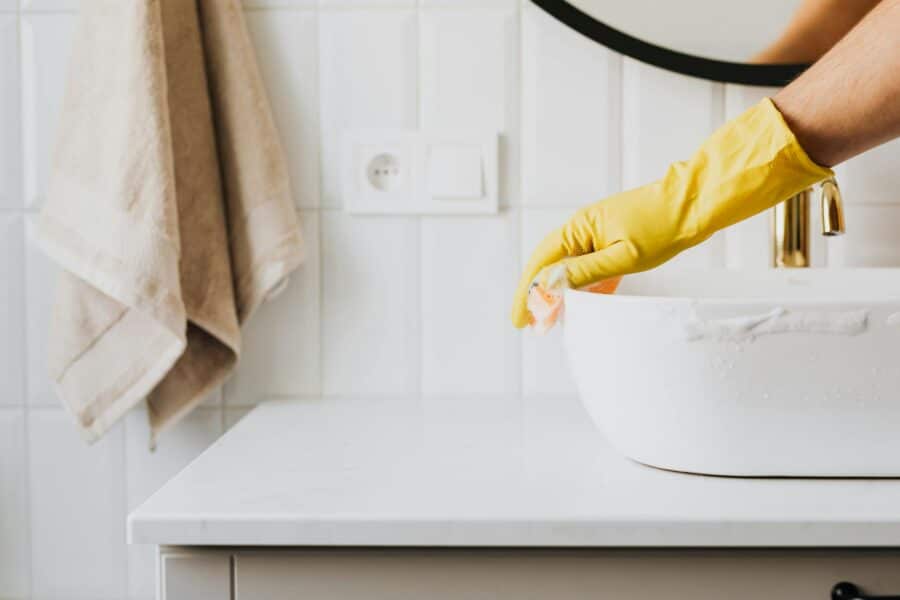
You might think that a DIY deep-clean could rival a five-star hotel's pristine shine, but the truth is often more complicated.
While your weekend efforts can leave surfaces looking decent, they may miss the deep-seated grime that professionals are trained to tackle.
Consider the tools and expertise they bring to the table—something the team at Four Seasons Cleaning Services of Seattle has spent years perfecting through top-tier training and experience.
So, as you weigh your options, it's worth exploring what really sets these approaches apart and which one might best suit your needs.
Effectiveness of Cleaning Methods
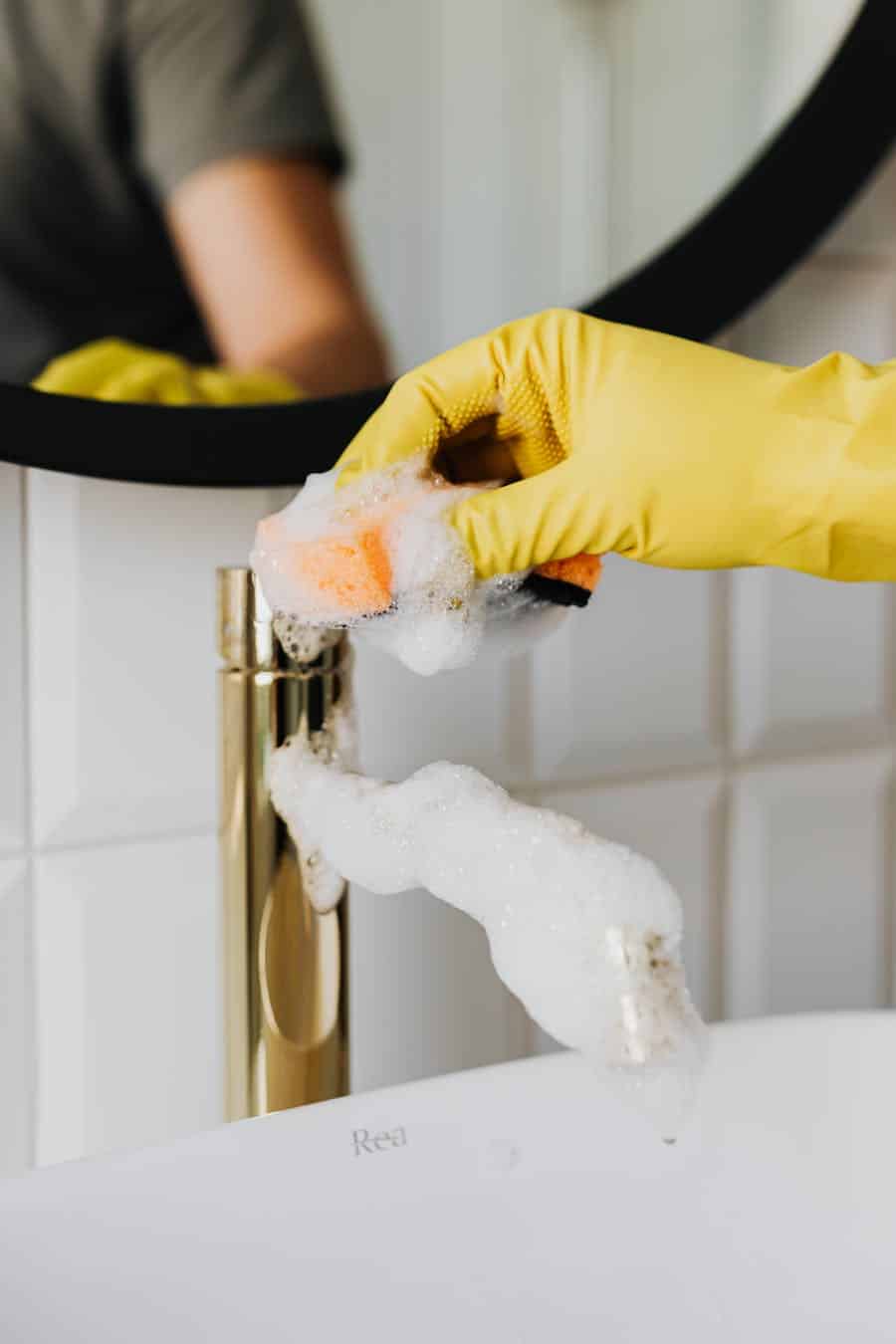
When it comes to deep-cleaning your space, the effectiveness of cleaning methods can greatly impact the results you achieve. DIY cleaning often relies on readily available supplies and techniques, which can vary in efficacy.
While homemade solutions, like vinegar and baking soda, can tackle stains and odors, they may not penetrate deeply into carpets or upholstery.
Additionally, you might lack the specialized equipment needed for thorough disinfection, such as steam cleaners or industrial vacuums.
On the other hand, professional cleaning services utilize advanced tools and products specifically designed for deep cleaning.
They employ high-powered equipment that reaches deep into fibers and surfaces, effectively removing dirt and allergens that DIY methods might miss.
Professionals are trained to identify the right cleaning agents for various materials, ensuring that your possessions remain safe while achieving ideal cleanliness.
Ultimately, while DIY methods can be effective for regular maintenance, the thoroughness and expertise of professional cleaning methods can deliver superior results.
Investing in professional services can save you time and provide a level of cleanliness that DIY methods may struggle to match, particularly in high-traffic areas or challenging surfaces.
Time Investment for Each Option
Choosing between DIY and professional deep-cleaning methods also involves evaluating the time investment required for each option.
When you tackle a DIY deep clean, you often need to allocate a significant block of your time, especially if your schedule is already packed.
Depending on the size of your space and the extent of cleaning needed, this could take several hours or even an entire weekend.
On the other hand, hiring a professional can save you valuable time. Professionals typically work efficiently and can complete the same tasks in a fraction of the time, allowing you to focus on other priorities.
Here are a few factors to evaluate regarding time investment:
- Preparation Time: DIY requires planning, gathering supplies, and organizing your space before cleaning begins.
- Execution: Professionals often have the experience and tools to clean quickly and thoroughly, minimizing disruption to your day.
- Follow-up: DIY might necessitate additional time for maintenance, whereas a professional service might offer ongoing solutions.
Ultimately, weighing your available time against the thoroughness of each option will guide your decision.
Cost Analysis of Both Approaches
Many homeowners find themselves weighing the financial implications of DIY versus professional deep-cleaning methods.
When opting for DIY, you'll primarily incur costs related to cleaning supplies, tools, and possibly equipment rentals.
A basic cleaning kit can cost anywhere from $50 to $200, depending on the quality and quantity of products you choose.
If you decide to rent specialized equipment, such as steam cleaners or carpet extractors, expect to pay an additional $30 to $100 per day.
On the other hand, hiring a professional cleaning service typically involves higher upfront costs, generally ranging from $150 to $500, depending on the size of your home and the extent of the cleaning required.
While this initial cost may seem steep, it often encompasses labor, expertise, and access to commercial-grade cleaning products, which can lead to a more thorough clean.
Ultimately, the financial decision hinges on your budget, the time you're willing to invest, and how much you value your own labor versus outsourcing the task.
Consider these factors carefully to determine which option aligns best with your financial goals and cleaning needs.
Satisfaction and Result Quality
Homeowners often find that satisfaction and result quality can vary greatly between DIY deep-cleaning efforts and professional services.
When you tackle cleaning on your own, you may feel a sense of accomplishment, but the end results mightn't meet your expectations.
Professionals, on the other hand, bring specialized knowledge and equipment that can greatly enhance the quality of the clean.
Reflect on these factors when evaluating satisfaction and result quality:
- Expertise in Techniques: Professionals are trained in advanced cleaning methods that effectively eliminate stubborn stains and allergens.
- Equipment Quality: Industrial-grade tools and eco-friendly products used by professionals often outperform standard consumer-grade options available for DIY cleaning.
- Time Efficiency: Hiring a service saves you time and allows for a thorough clean that might take you much longer to achieve alone.
Ultimately, while DIY cleaning can be a rewarding endeavor, it may not always deliver the same level of satisfaction and quality as professional services.
If you're aiming for impeccable results, weighing these factors could lead you to think about professional assistance for your deep-cleaning needs.
Environmental Considerations and Impact
When considering deep-cleaning methods, environmental factors play a crucial role in shaping your decision. You need to assess the ecological impact of the products and techniques involved.
DIY cleaning often relies on household ingredients like vinegar and baking soda, which are biodegradable and less harmful to aquatic life compared to many commercial cleaners.
However, you should make sure that the concentrations you use don't negate their eco-friendly benefits.
On the other hand, professional cleaning services may use commercial-grade products that are highly effective but can contain chemicals detrimental to the environment.
Some companies, however, prioritize green cleaning and use eco-certified products, which minimize harmful residues and VOC emissions.
Verify if a service provider follows sustainable practices, as this can greatly reduce your environmental footprint.
Additionally, consider water usage and energy consumption during the cleaning process.
DIY methods might require more time and resources, while professionals often employ efficient equipment that reduces overall consumption.
Conclusion
In the end, choosing between DIY and professional deep cleaning is like deciding between a paintbrush and a precision tool; both can create a masterpiece, but one often achieves finer details.
If you're looking for thoroughness and efficiency, professionals typically deliver superior results with their specialized equipment and expertise.
However, if you're budget-conscious and enjoy the process, DIY can be rewarding. Weigh your priorities carefully to guarantee your space reflects the cleanliness you desire.