Common Mistakes Homeowners Make When Going Solar and How to Avoid Them
Learn the most common mistakes homeowners make when going solar, from poor roof preparation to choosing the wrong contractor and system size.
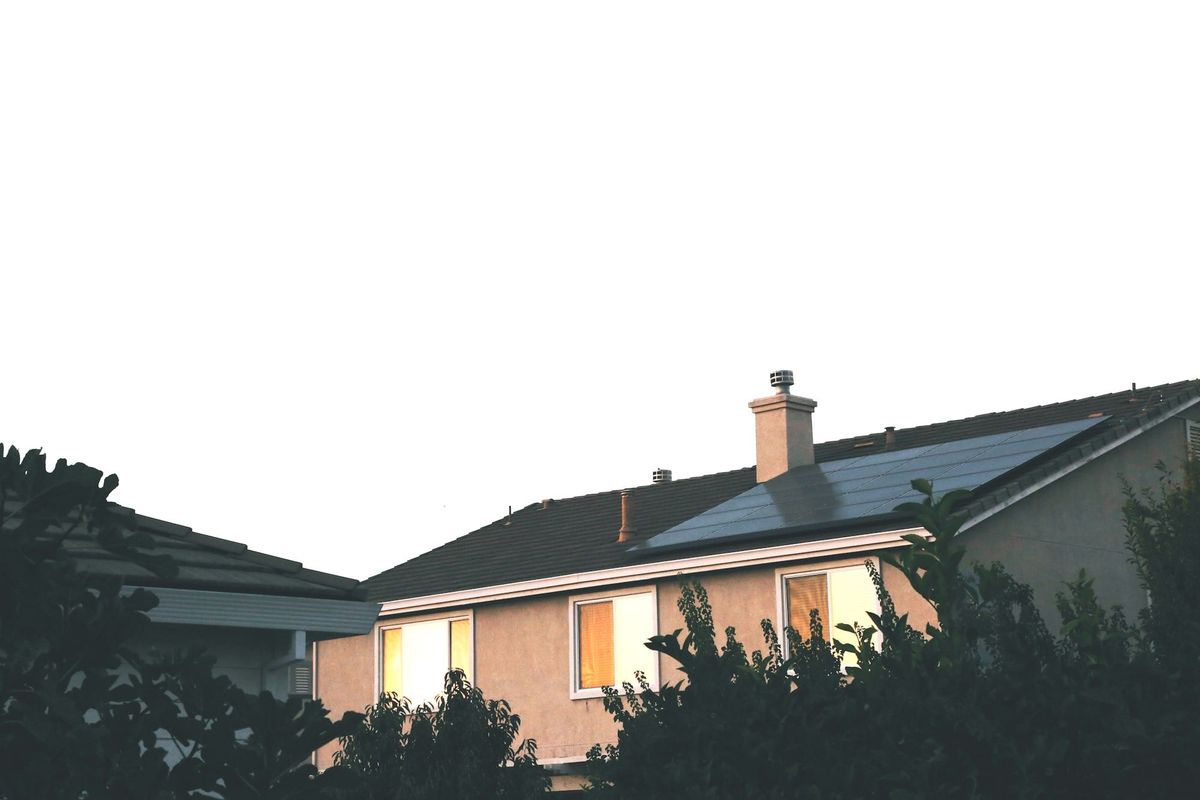
Today, the decisions concerning the choice of energy sources at your own place cannot be seen just as upgrades anymore. It turns out to be a serious investment decision that may influence both finances and comfort during hot weather. Many households start to realize that improper planning may result in reduced effectiveness of their energy system.
Today, solar roof installation does not imply installation only. Design, planning, time management, as well as correlation between conditions of a roof and the electrical system must be taken into consideration.
Solar and Roof Preparedness
For one to utilize solar energy through the use of solar power systems, there is a need for the use of solar photovoltaic panels. The energy harvested will power the home, hence boosting self-reliance on electricity and reducing costs. Despite all the above appearing to be rather easy, there are several stages involved, including those suggested by professional solar contractors.
For one to successfully install the system, it is important to first undertake the assessment stage. Even as people can rely on the installation tips for solar panels, the services of a good solar contractor go further in installing the panel according to the roof, needs, and the maintenance of the system in the long run.
The roof of a building plays a very important part in the installation of solar energy. The roof is important when it comes to the installation of a solar system since the roof acts both as the place where the solar panel will be installed and the foundation of the whole system.
Residential Solar Installations & Design Errors
Some of the commonest mistakes with solar installation on the residences can be realized after quite a few months. It is then that you discover the mistake through reduced energy efficiency and higher costs of repairs.
Wrong sizing of your solar system is another mistake. When you buy too small a system, there won’t be sufficient energy production for your use. However, an oversized system means extra expense with little added benefits. Getting the right size will make your return on investment greater while lowering the payback period.
Positioning of the solar panels can be problematic too. Ignoring roof angle, location close to trees and the problem of shading can lower the efficiency of the solar panels. It should be noted that partial shading of the panels reduces the efficiency of many panels at once.
Finally, there are also several aspects to consider regarding structures. The fact is that the solar system adds additional load on your roof. Without calculating its load-bearing capability, it can lead to roof leaks, cracks and other problems.
Not all roofs are created the same when it comes to solar energy systems.
Contractor Selection and Financial Planning Errors
Selecting a contractor solely based on price would be a big mistake. Rather, it is experience, certification, and competence in design that matter, not initial savings. Working with a trustworthy solar company, along with hiring an experienced roofing contractor, is a way to ensure professional solar design and installation.
Certain warning signs include absence of warranties, proper installation, unclear explanations, and inspections. This is likely to lead to added expenses due to the fact that roofing and solar systems will need to be taken into consideration.
One needs to think about financial implications very carefully. Savings from using solar energy will accumulate slowly, not instantly. The profit depends on how much energy you use, as well as the efficiency of the system and electricity prices.
Roof repairs and upgrades may involve additional costs. It makes sense to collaborate with a solar contractor alongside a roofing company in order to save money.
Choosing the Contractor and Financial Planning Mistakes
Choosing a contractor for the price alone is among the worst decisions to make. Experience, skills, and qualification levels of the contractor are what you need to look at first. There is no way of having a good contractor for a low cost.
A lack of warranty, quick system inspections, and vague answers are also things that should raise red flags.
The financial planning phase needs to be undertaken carefully as well. The savings are not immediate but slow and depend on the amount of electricity you consume and the rate of kilowatt per hour in the region.
There might be additional costs involved with altering, repairing, or enhancing the system.