
What a Reliable Roofing Contractor Brings to Every Repair Project
Learn what to look for in a reliable roofing contractor, including inspections, written estimates, proper materials, insurance, workmanship, and communication.
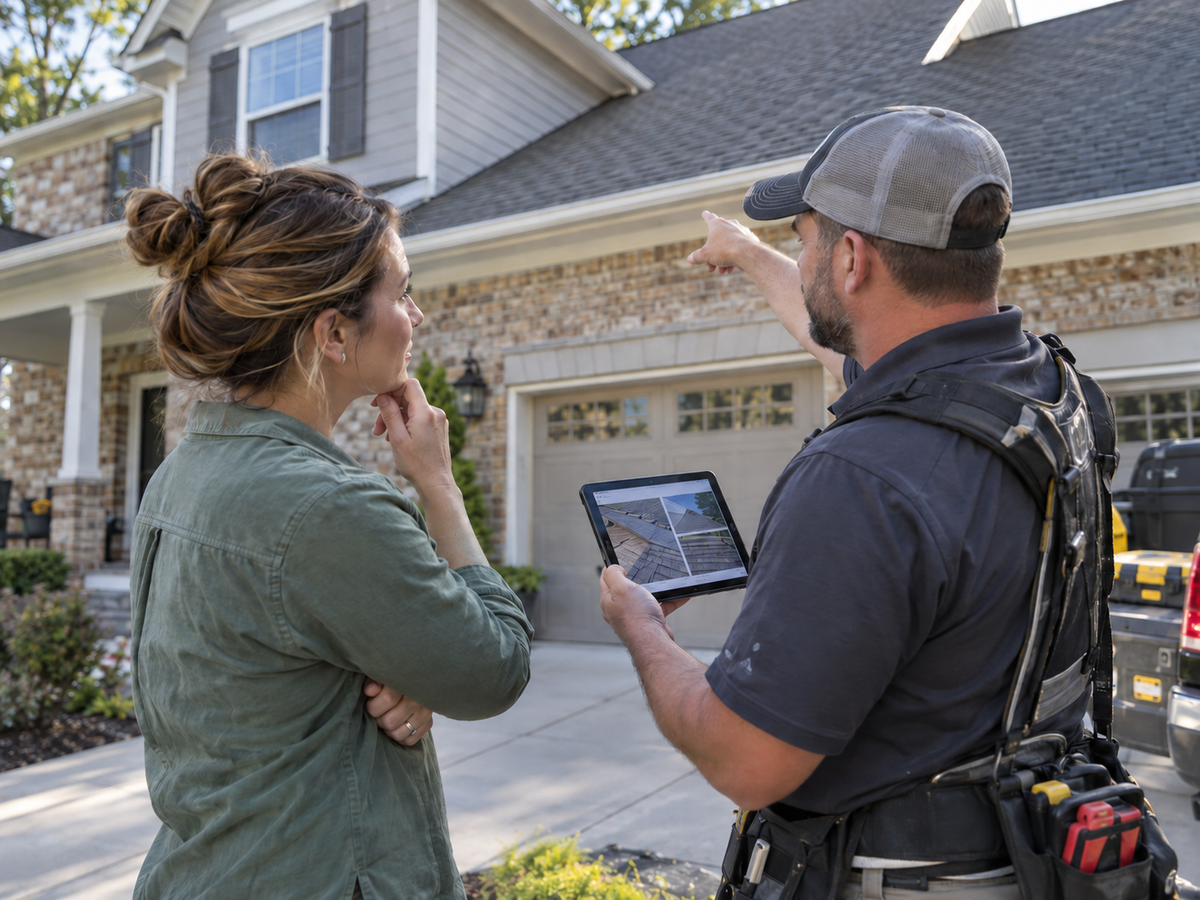
Roof repairs require more than replacing damaged shingles or sealing a visible leak. A reliable contractor checks the roof system, identifies the cause, explains the work clearly, and completes repairs with suitable materials. This approach limits repeat problems and protects the building from further water damage.
Property owners also receive better cost control when the contractor separates urgent repairs from work that can wait. For property owners across Southern Oregon and beyond, the right process begins with a careful inspection.
A roofing contractor should begin by checking the roof surface, flashing, drainage points, penetrations, and areas beneath the suspected leak. Water often travels before entering a ceiling, so the visible stain does not always show the original fault. Property owners seeking practical guidance can review www.richrayburnroofing.com for information about roofing services in Southern Oregon. The site identifies residential and commercial repairs, re-roofing, gutters, metal roofing, flat roofs, and emergency assistance.
A Clear Inspection Before Any Repair
A dependable inspection records the roof’s condition rather than relying on a quick visual check. The contractor should assess cracked or missing roofing materials, lifted edges, damaged flashing, blocked gutters, soft decking, and signs of moisture inside the building.
The inspection should also consider the roof type. Composition roofing, metal roofing, flat membrane systems, and pitched roofs require different repair methods. A patch that suits one system can fail on another when the wrong material or fastening method is used.
Good contractors explain what they found in plain language. They distinguish active leaks from old staining, surface wear from structural damage, and a local repair from conditions that indicate wider deterioration.
Accurate Recommendations and Written Estimates
A repair recommendation should match the evidence found during the inspection. If a small flashing failure caused the leak, replacing that flashing may resolve the problem. If water has damaged the decking, the repair must address the affected base before the roof covering is restored.
A written estimate gives the property owner a clear record of the proposed work. It should describe the repair area, materials, labor, access requirements, and any conditions that could change the price after removal begins.
Reliable contractors also explain whether the repair is temporary or intended to provide a longer service life. That distinction helps owners plan future maintenance and avoid paying for a short-term patch when replacement is more appropriate.
Suitable Materials and Sound Workmanship
Roof repairs last when the materials suit the existing system and local exposure. Coastal properties face salt air, wind, heavy rain, and moisture, while inland buildings can face different temperature and weather conditions. A contractor should account for those conditions during material selection.
Workmanship matters at every stage. Fasteners must sit correctly, joins must remain sealed, flashing must direct water away from vulnerable points, and replacement sections must integrate with the surrounding roof. Poor alignment or incomplete sealing leaves new entry points.
A reliable crew also protects the property during the repair. Workers should manage removed materials, control access around the building, and leave the area tidy after completing the work. Cleanup is part of a properly finished repair.
Licensed and Insured Service
Credentials give property owners useful protection when work takes place above occupied spaces. Rich Rayburn Roofing and Gutters identifies its crews as licensed, bonded, and insured, with services for homes and commercial properties across Southern Oregon.
Insurance helps address risks associated with property damage or workplace incidents. Licensing indicates that the contractor operates within applicable requirements. Owners should still ask for current documentation and confirm that the details match the contractor completing the work.
Experience also supports better decisions when repairs reveal hidden damage. The inspected website states that the business has more than 30 years of experience, while its services include emergency repairs, roof rejuvenation, deck waterproofing, and roof replacement.
Communication After the Repair
A repair should end with a clear explanation of what was completed. The contractor should identify the repaired area, describe any remaining concerns, and explain practical maintenance steps. Photographs can help document concealed work, especially when damaged decking or flashing was replaced.
Property owners should also know when to request another inspection. New ceiling marks, damp insulation, overflowing gutters, or recurring leaks indicate that the original fault needs further review. Prompt reporting gives the contractor a better chance to limit damage.
Conclusion
A reliable roofing contractor brings inspection discipline, accurate recommendations, suitable materials, safe work practices, and clear communication to each repair project. Those standards help property owners understand the problem and choose a sensible response. Before approving work, request a written assessment, confirm licensing and insurance, ask what materials will be used, and establish how completed repairs will be documented. These steps create a useful record and help prevent a small roof defect from becoming a larger building repair.