
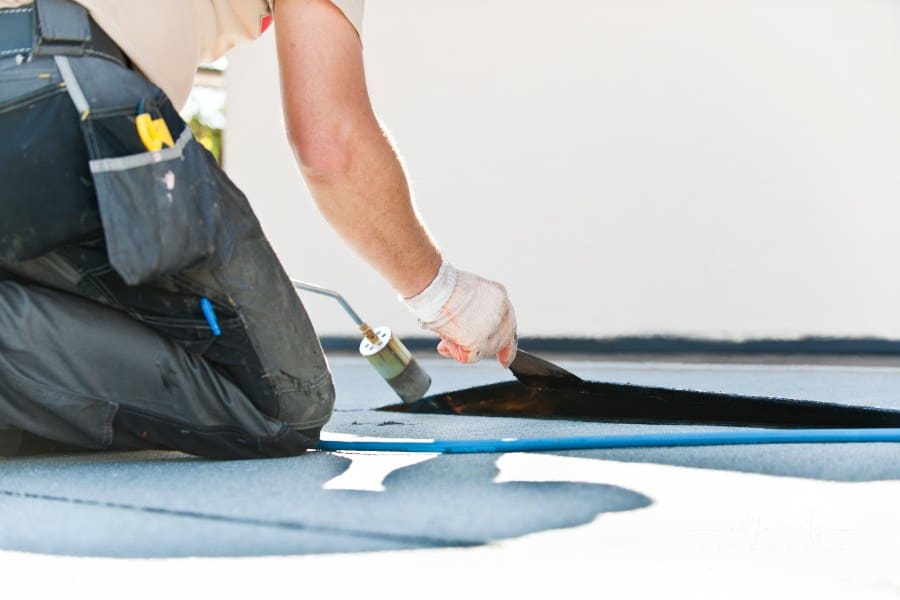
When it comes to maintaining a commercial property, the roof often goes unnoticed until a problem arises. Yet, the roof plays a critical role in protecting the building, its contents, and everyone inside.
Commercial roofing repairs demand a proactive approach to avoid costly damages and ensure the safety and longevity of your structure.
Unlike residential roofs, commercial roofing systems are typically larger, more complex, and subject to unique wear and tear.
Knowing when and how to address issues can make a significant difference in preserving your investment.
Companies like Long Island roof repair understand the nuances of commercial roofing and can guide business owners through the repair and maintenance process effectively.
In this article, we’ll explore the key considerations for commercial roofing repairs, the signs of trouble to watch for, and practical tips for extending the life of your roof.
Understanding the Complexity of Commercial Roofing
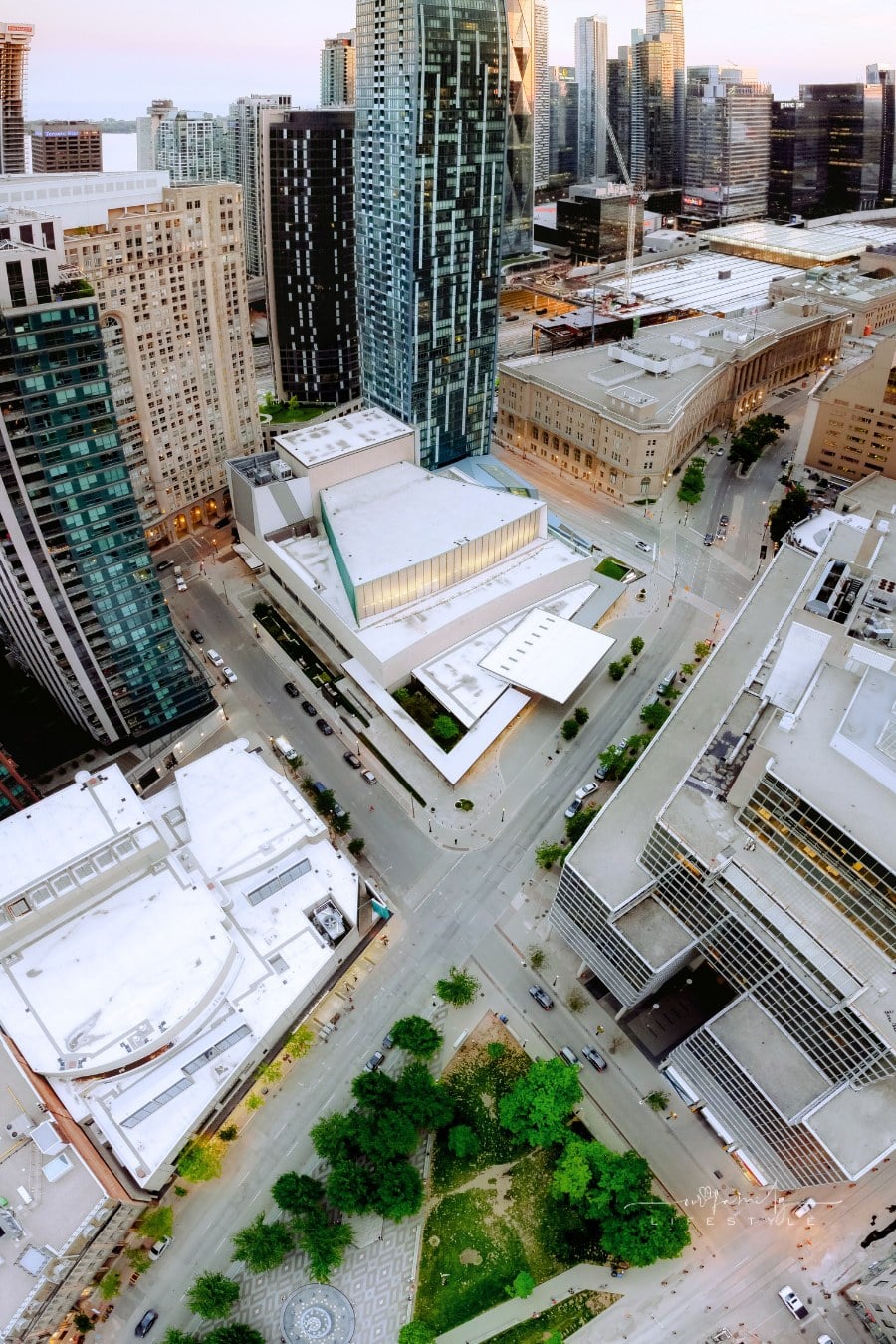
Commercial roofs differ from residential ones in their design, materials, and purpose. Most commercial roofs are flat or have a low slope, making drainage and insulation crucial factors.
They often support heavy equipment, such as HVAC systems, which can add stress and contribute to wear.
The materials used in commercial roofing—like TPO, EPDM, and modified bitumen—are designed for durability and energy efficiency.
However, each material has unique maintenance requirements. Understanding these differences is the first step in ensuring proper care for your roof.
Common Causes of Commercial Roof Damage
Commercial roofs are exposed to various factors that can lead to damage over time. Here are some of the most common causes:
- Weather Extremes
Sun, rain, snow, and wind can all take a toll on a commercial roof. UV rays can degrade roofing materials, while heavy rain or snow can lead to water pooling or leaks. - Poor Drainage
Flat roofs are particularly vulnerable to drainage issues. Clogged or poorly designed drainage systems can cause water to accumulate, increasing the risk of leaks or structural damage. - Foot Traffic
Maintenance crews or other personnel walking on the roof can inadvertently cause damage. Cracks or punctures are common in areas with frequent foot traffic. - Aging Materials
Even the most durable roofing materials have a lifespan. Over time, they can crack, blister, or shrink, compromising the roof’s integrity. - Improper Installation
A poorly installed roof is more likely to fail prematurely. Issues like uneven surfaces, inadequate sealing, or incompatible materials can lead to recurring problems.
Signs Your Commercial Roof Needs Repairs
Being able to spot problems early can save your business from more extensive and expensive repairs later. Look for these warning signs:
- Leaks or Water Stains
Visible water stains on ceilings or walls often indicate a roof leak. Addressing leaks promptly can prevent further damage. - Pooling Water
Puddles of water on your roof after rainfall are a sign of drainage problems that need immediate attention. - Blistering or Bubbling
Blisters or bubbles on the roof surface may indicate trapped moisture, which can weaken the roofing material. - Cracks or Tears
Cracks, tears, or other visible damage to the roofing material can lead to leaks and should be repaired quickly. - Sagging Sections
A sagging roof may suggest structural issues or water buildup, both of which require professional evaluation.
The Importance of Timely Repairs
Delaying repairs can turn small issues into major problems, such as:
- Increased Costs
A minor leak, if left unaddressed, can result in extensive water damage and expensive structural repairs. - Disruptions to Business Operations
Roof problems can cause interruptions in your business, affecting employees, customers, and productivity. - Health Risks
Water leaks can lead to mold growth, which poses health risks to occupants and can tarnish your company’s reputation.
Steps in the Commercial Roofing Repair Process
Understanding what to expect during a repair can help you prepare and ensure the job is done right. Here’s an overview of the typical process:
- Inspection
A thorough inspection is the first step. Roofing professionals will assess the damage, identify the root cause, and determine the best course of action. - Documentation and Proposal
Contractors will document their findings, often including photos, and provide a detailed repair proposal outlining the scope, timeline, and cost. - Repair Work
Depending on the issue, repairs may involve patching leaks, replacing damaged sections, or reinforcing weak areas. - Quality Check
Once the repairs are complete, a final inspection ensures the work meets industry standards and addresses the problem effectively. - Preventative Maintenance Plan
Many contractors offer maintenance plans to help extend the life of your roof and minimize future issues.
Tips for Maintaining Your Commercial Roof
Proper maintenance can significantly extend the lifespan of your roof. Here are some practical tips:
- Schedule Regular Inspections
Professional inspections at least twice a year—ideally in the spring and fall—can help identify issues before they worsen. - Keep the Roof Clean
Remove debris, such as leaves or branches, that can clog drains or damage the roof surface. - Monitor Drainage Systems
Ensure that gutters, downspouts, and other drainage components are clear and functioning properly. - Address Minor Issues Quickly
Small cracks, tears, or other minor problems should be repaired promptly to prevent them from becoming major issues. - Limit Foot Traffic
Use designated walkways and restrict access to the roof to reduce wear and tear.
Choosing the Right Contractor
Selecting the right contractor for your commercial roofing repairs is essential. Here’s what to look for:
- Experience and Expertise
Choose a contractor with a proven track record in commercial roofing. Their experience will ensure high-quality repairs. - Certifications and Licensing
Verify that the contractor is licensed, insured, and certified by relevant organizations. - References and Reviews
Check references and online reviews to gauge the contractor’s reputation and customer satisfaction. - Transparent Pricing
Look for detailed and transparent pricing to avoid unexpected costs. - Comprehensive Services
A contractor offering both repairs and preventative maintenance can be a valuable long-term partner.
Final Thoughts
Maintaining and repairing a commercial roof is an ongoing responsibility that requires attention to detail and a proactive approach.
By understanding the unique challenges of commercial roofing, recognizing the signs of trouble, and investing in regular maintenance, you can protect your property and extend the lifespan of your roof.
Partnering with a trusted contractor ensures that your business stays safe and operational, rain or shine. A well-maintained roof is more than just a cover over your building—it’s an investment in the success and longevity of your business.