


When it comes to keeping your child safe, a car seat is one of the most important purchases you’ll ever make. And yet... shopping for one can feel like decoding a secret language. Rear-facing, forward-facing, convertible, 5-point harnesses, LATCH systems—wait, what?
Whether you're a first-time parent, a grandparent helping out, or you're upgrading for your growing toddler, this guide is here to make car seat shopping simple, straightforward, and—dare we say—stress-free.
Let’s break it all down so you can drive confidently knowing your little one is buckled up safely at every stage.
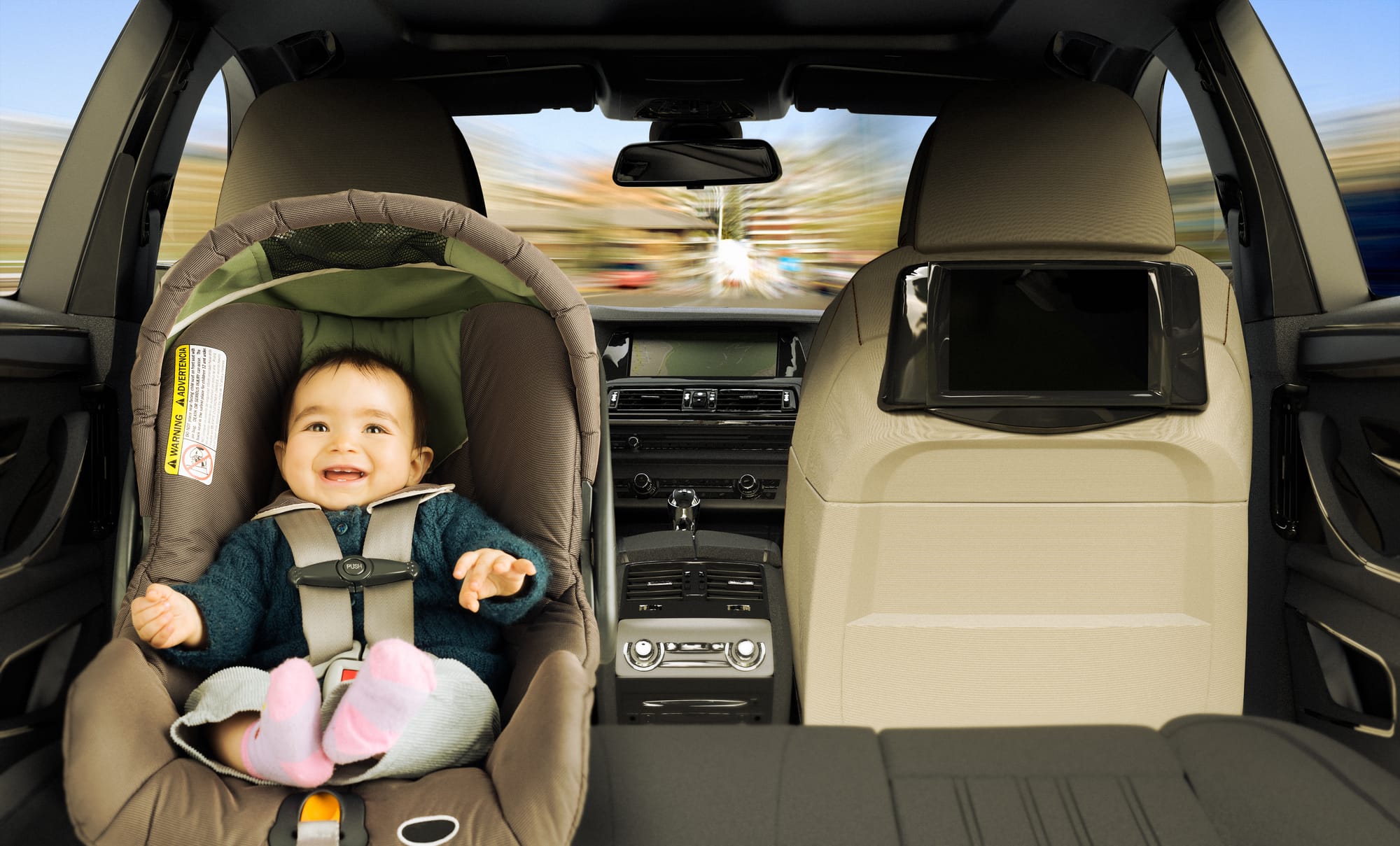
Stage 1: Infant Car Seats (Birth to Around 12 Months)
Also known as: Rear-facing-only seats
✔️ What It Is:
- Designed for newborns and infants up to about 30–35 pounds (or until they outgrow the seat by height).
- Always installed rear-facing—this is the safest position for tiny bodies.
- Comes with a portable base that stays in the car, so you can click the seat in and out easily (hello, napping on-the-go).
✅ Best For:
- Newborns and infants under one year old.
- Families who want to carry baby in and out without waking them.
🚫 Watch Out For:
- Not using the proper recline angle (infants need to lie at a slight angle to keep their airways open).
- Moving to the next stage too early—stick with rear-facing as long as your child fits the seat’s height/weight limits.
Pro Tip: Always check your car seat’s expiration date and never buy secondhand without knowing its history (especially if it’s been in a crash).
Stage 2: Convertible Car Seats (Around 6 Months to 4 Years)
Also known as: Rear- to forward-facing car seats
✔️ What It Is:
- Starts off rear-facing and "converts" to forward-facing later.
- Accommodates a wider age/weight range (up to 40–65 pounds in forward-facing mode).
- Installed directly in the car—not portable like infant seats.
✅ Best For:
- Parents who want a seat that grows with their child.
- Kids who have outgrown their infant seat but are not yet ready to face forward.
🚫 Watch Out For:
- Turning your child forward-facing too early. Experts, including the American Academy of Pediatrics, recommend staying rear-facing until at least age 2, or longer if the seat allows.
Stage 3: Forward-Facing Harness Seats (Age 2 to at least 5)
✔️ What It Is:
- Used with a 5-point harness system.
- Keeps children upright and secure once they’ve outgrown rear-facing mode.
✅ Best For:
- Toddlers and preschoolers over the rear-facing height/weight limits.
🚫 Watch Out For:
- Switching to a booster too soon. Keep them in a harnessed seat until they’ve truly outgrown it—usually around 5 or 6 years old.
Hot Tip: Harnessed seats offer more protection than a booster, especially during side-impact collisions.
Stage 4: Booster Seats (Around 5 Years to 12)
Also known as: Belt-positioning booster seats
✔️ What It Is:
- Lifts the child up so your car’s seat belt fits properly—shoulder belt across the chest, not the neck!
- Comes in high-back and backless options.
✅ Best For:
- Kids who’ve outgrown their forward-facing harness but aren’t big enough for just the seat belt.
- Typically used until your child is at least 4’9” tall and between 8–12 years old.
🚫 Watch Out For:
- Letting your child ditch the booster too early. Even if they complain (“But Mooommm, I’m big now!”), premature belt use can be dangerous.
Bonus Stage: The Seat Belt Alone
This is the final stage—and it’s not just about age. The adult seat belt should fit properly before you make the switch.
✅ Your child is ready when:
- They’re at least 4’9” tall.
- The shoulder belt lies across the middle of the chest, not the neck.
- The lap belt rests on the upper thighs, not the stomach.
- They can sit up straight for the entire ride without slouching or squirming.
Car Seat Safety Tips (No Matter the Stage)
- Register your car seat with the manufacturer for recall updates.
- Install tightly—a properly installed seat shouldn’t move more than an inch side-to-side.
- Use the chest clip correctly—should be at armpit level.
- Never use bulky coats in the car seat. Use a blanket over the harness instead.
🛒 What to Look For When Buying a Car Seat
Here’s your quick checklist:
✔ Meets current safety standards
✔ Fits your child’s height and weight
✔ Fits your car (not all seats fit in all vehicles!)
✔ Has easy-to-use features (adjustable harness, no-rethread straps, clear level indicators)
✔ Includes clear installation instructions
✔ Fits your lifestyle (travel-friendly, easy to clean, etc.)
FAQs – Car Seat Edition
Can I skip the infant seat and go straight to a convertible?
Yes! As long as your baby meets the minimum weight and height, a convertible seat is a safe choice from birth.
How do I know if my car seat is expired?
Look for a sticker on the seat shell with the manufacture and expiration dates. Most car seats expire after 6–10 years.
Can I use a secondhand car seat?
Only if you know its history 100%. If it's been in a crash or is missing labels/manuals, skip it.
Final Word: Safety First, Always
Choosing the right car seat isn’t about buying the flashiest model—it’s about finding one that fits your child and your vehicle properly, and using it the right way every single time. As your child grows, so will their car seat needs—but don’t rush the stages. Safety guidelines exist for a reason.
Take your time, read your manuals (both the car seat and your vehicle), and don’t hesitate to ask for help.
Because in the end, nothing says "I love you" like strapping your kid in safely for the ride ahead