
Your windshield does more than just keep bugs out of your face—it’s a key part of your vehicle’s safety system. But let’s be honest: life on the road isn’t exactly gentle on auto glass.
Whether it’s flying gravel, wild weather, or a door slam gone wrong, cracks and chips can appear before you know it.
The good news? Knowing what to look out for—and how to avoid it—can save you a lot of stress and money.
Below are some of the most common ways that your car’s windshield tends to get damaged and how you can address them. Read on to learn more.
1. Road Debris
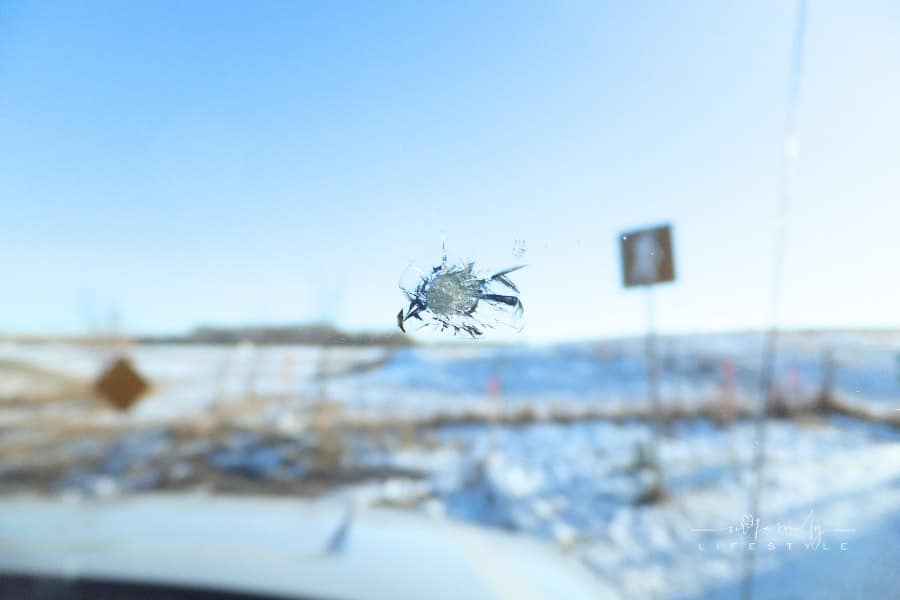
That dreaded ping you hear while driving? It's usually road debris. Loose gravel, asphalt, and random pebbles kicked up by vehicles are some of the most common causes of windshield chips and cracks.
Driving on poorly maintained roads or through construction zones increases your chances of debris damage.
Potholes, unpaved sections, and loose stones are all hazards that can send something flying straight at your windshield.
You can avoid most road debris by keeping your distance and not tailgating, especially when driving behind open trucks.
Even if they have a canvas covering their load, it is all too common for something to fall out. A small piece of gravel flying at high speeds can do quite a bit of damage to your windshield.
It’s also a good idea to avoid traveling on gravel roads or construction areas whenever you can. Finally, drive at a reasonable speed, especially when visible debris is on the road.
Traveling at a lower speed can reduce the force of any debris that might hit your windshield, resulting in much less damage.
2. Inclement Weather
Extreme weather conditions can do a number on your auto glass. Your windshield expands in the heat and contracts in the cold, making it vulnerable to cracks.
Hot summer days can cause the windshield to heat up and weaken over time, especially if your car is parked directly under the sun.
In the winter, rapid defrosting or cold air meeting warm glass can cause small chips to spread.
So, what can you do? Much like weatherproofing your home, you can protect your windshield against extreme temperatures and temperature changes.
The most common problem with hot weather is when your vehicle is stationary. The best thing to do is park it in your garage or under some shade.
When there is no shade, and the sun is right overhead, you should put a windshield cover on. That will keep the worst of the UV rays away from your windshield and keep the temperature in your car down.
When the weather turns cold, sudden changes in temperature are the enemy. When your windshield turns icy, avoid cranking up the heater as soon as you get in.
Start low and gradually turn the temperature up to avoid warping or cracking your windshield. Above all, do not pour hot water on a frosted-over windshield.
It’s the quick way to stress the glass and weaken the structure, if not outright crack it, on contact.
3. Minor Collisions
Sometimes, it’s not just the road or the weather that can cause damage to your windshield—it’s all of the small things that add up over time.
Everything from low-speed fender benders to loading mishaps can build up damage to your windshield. They can crack your windshield, and you won’t even notice it at first.
There’s also the threat of random flying objects. Blustery weather can send branches and debris flying, while parking too close to the action at a baseball diamond or soccer field can put you in the danger zone.
Your windshield is designed to handle normal driving forces, but small collisions—like a car backing into you, a misjudged grocery load, or a golf ball—can cause stress cracks, especially if your windshield already has a chip.
Unfortunately, most of these situations are out of your control. However, you can minimize the damage by being proactive.
Choose covered parking when you can, and stay away from areas where something might fall or fly at your vehicle. That includes near trees and unstable structures, especially during high winds.
Inspect the windshield for even the slightest damage after each incident with another vehicle or errant golf ball. Make sure to fix any that you see as soon as possible.
When loading large or heavy items into your car, make sure they’re secure and not touching any of the glass.
A slight shift in the load may be enough to start a domino effect on your door windows, back glass, and windshield
4. Poor Installation or Cheap Materials
Sometimes, the issue isn’t what happens on the road—it’s the quality of the windshield itself. A poorly installed windshield or one made from low-quality materials can lead to big problems down the line.
The windshield isn't just a piece of glass like your bathroom mirror. It serves a critical structural role in keeping you and everyone in your car safe.
When installed correctly, it absorbs impact during collisions and works in tandem with airbags.
However, a bad installation or subpar materials can compromise this, making the windshield more susceptible to cracks, leaks, and even popping out in an accident.
A bad installation has a few red flags, like uneven edges. A properly installed windshield should sit flush against the frame without noticeable gaps.
If there’s a visible gap or the windshield appears slightly off-center, it’s a clear sign of poor installation.
Similarly, a high-pitched whistling sound at highway speeds indicates the seal isn’t tight enough. Finally, the seal is likely compromised if you notice water seeping in during a rainstorm or a car wash.
Even if the installation looks fine, the quality of the glass matters. Cheap, non-OEM (original equipment manufacturer) glass may not be as durable or properly laminated, making it prone to cracking and offering less protection.
When it’s time to replace your windshield, use only licensed professionals in auto glass replacement in Ontario CA or your local area.
Choose someone with strong reviews and a history of reliable work. It’s also a good idea to ask questions about the glass.
Make sure the replacement meets your state’s safety standards. OEM glass is ideal because it’s designed to fit your car perfectly.
Finally, inspect the seal and fit and ask questions if something seems off before you drive off. Investing in quality installation and materials upfront can save you from headaches—and future repair costs.
5. Pressure Changes
Ever slammed your car door and heard your windows rattle? Your windshield is a carefully crafted piece of laminated safety glass, but it's not invincible.
Sudden pressure changes, like temperature shifts, can put serious stress on your windshield.
They can cause small chips or hairline cracks to get bigger, especially on the outer edges where the glass is most vulnerable.
In most cases, you can avoid these problems by being careful with how you handle your vehicle.
Closing your car door too hard creates a rapid internal pressure change, which can make existing chips or cracks worse.
High-pressure water sprays can also force water into chips and cracks, so wash your car yourself or choose touchless car washes. Be nice to your car, and your car will be nice to you.
Another great tip to avoid pressure damage is to keep your windows rolled up when driving fast. That prevents rapid shifts in air pressure inside your vehicle.
If your glass already has a weak spot, this can quickly turn a small issue into a large crack.
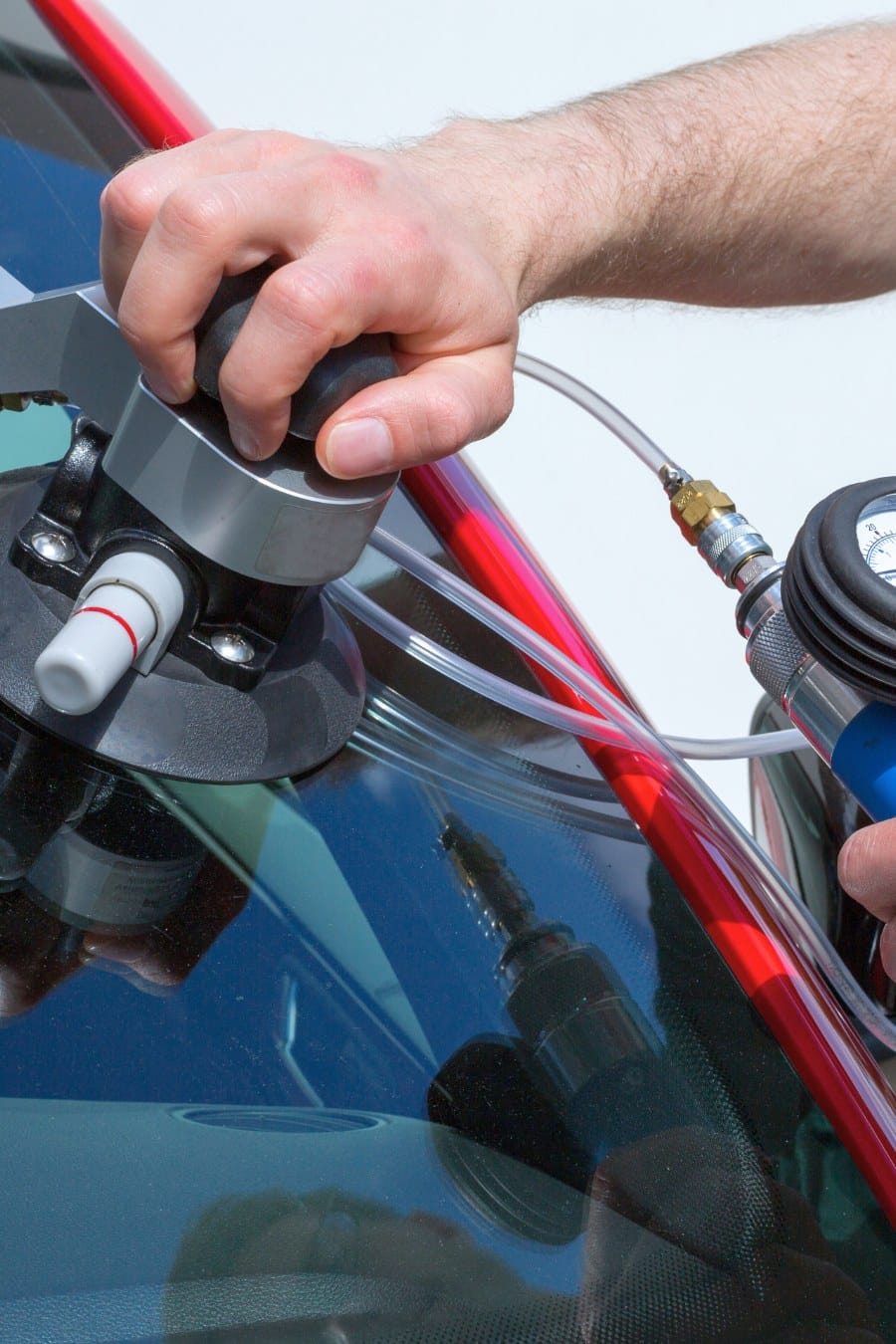
Address small chips early so that pressure changes won’t make things worse. A quick repair is much cheaper than a full replacement.
Keep Your Windshield in Top Shape
It’s easy to ignore your windshield because it’s usually so tough. But when something goes wrong, it can turn south very quickly.
The good news is that while windshield damage is inevitable, it is also avoidable in most cases. Staying alert for flying debris, wild weather, and small collisions is an important step in this direction.
Taking care of a small chip right away keeps you safer on the road and saves you a bundle compared to waiting until you need a full replacement.
Why pay hundreds (or even over a grand) later when you can avoid the hassle for a fraction of the cost now?
If your windshield has more than a few chips or a crack that’s longer than a few inches, it’s best to get it replaced immediately.
You don’t just want a replacement; you want a fast, professional replacement. A bit of maintenance now can help you avoid a pricey repair bill later.
Take small steps to protect your glass, and you'll enjoy a clearer, safer view of the road ahead.