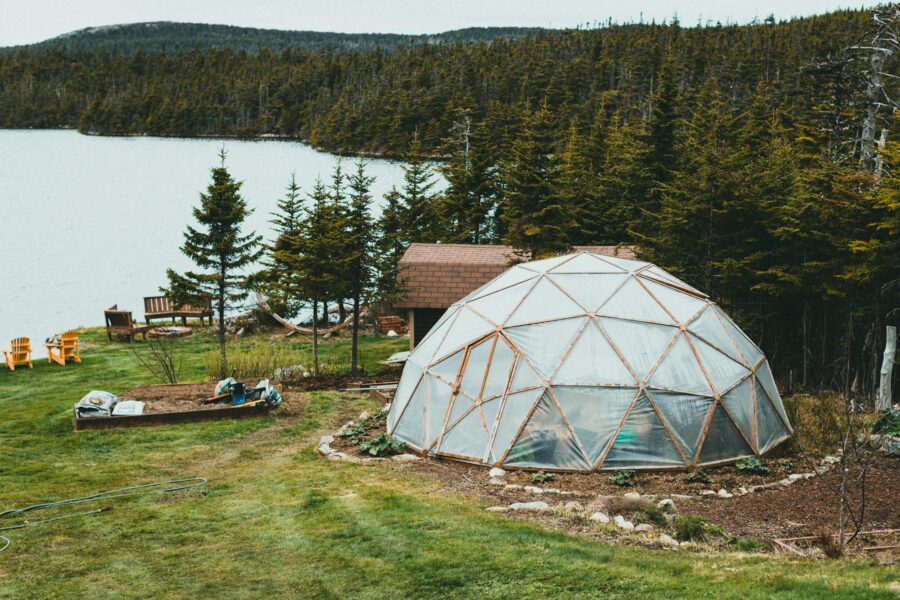
There is something incredibly appealing about the idea of living off the grid. No utility bills. No dependence on giant power companies. A self-sufficient lifestyle where you control your own resources.
In a world filled with financial pressure, like dealing with rising rents or even managing debt consolidation loans, going completely off the grid seems like a tempting escape. But as simple as the idea sounds, the reality is a lot more complicated.
Yes, it is absolutely possible to live off the grid. Plenty of people do it successfully. But it requires careful planning, upfront investment, and a willingness to trade some modern comforts for a very different way of living.
If you are seriously considering this path, there are some big things you need to think through first.
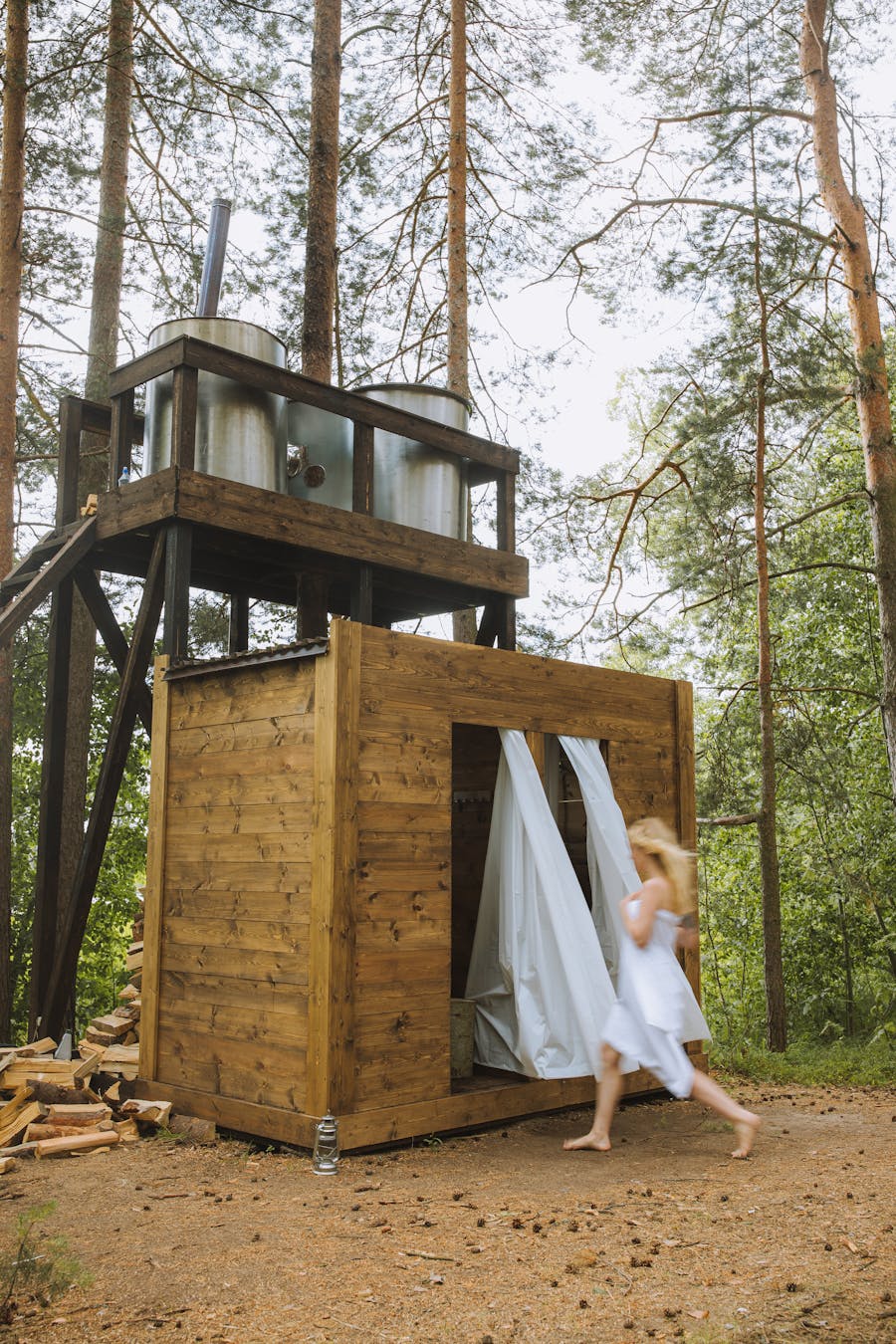
Understanding What Off-Grid Really Means
When people talk about living off the grid, they usually mean living without being connected to public utilities like electricity, water, gas, and sometimes even internet or phone services
It means generating your own power, collecting your own water, managing your own waste, and handling nearly every aspect of daily living independently.
The level of independence can vary. Some people go completely off-grid, while others stay partially connected to certain services for convenience or safety. The key is deciding how far you want to take it and being realistic about what you can handle.
The Financial Investment Upfront
One of the biggest surprises for people interested in off-grid living is how expensive it can be to get started. Setting up solar panels, wind turbines, battery storage systems, and water collection systems costs a lot of money upfront.
You may also need to invest in land, build or retrofit a home, and buy tools and equipment for things like farming or heating.
For someone already dealing with financial challenges or working through debt consolidation, the high upfront costs can feel overwhelming. But some people argue that once the systems are in place, long-term savings make it worth it.
No monthly utility bills, lower food costs if you grow your own produce, and fewer consumer expenses can eventually balance out the initial investment.
Adapting to a New Lifestyle
Living off-grid is not just a financial decision. It is a lifestyle change. You have to be prepared for a different rhythm of life. Tasks that used to be handled automatically now require your attention.
You might need to monitor your power usage closely, fix your own systems when something breaks, and plan carefully for things like water shortages or extreme weather.
If you are someone who enjoys problem-solving and hands-on work, this can be incredibly satisfying. But if you are used to convenience and instant solutions, it might feel frustrating. Off-grid living requires resilience, flexibility, and a willingness to learn new skills constantly.
The Importance of Location
Where you choose to live off-grid makes a huge difference. Climate, access to resources, and local regulations all play a role. For example, areas with lots of sunlight make solar power more effective, while windy regions may be better suited for wind turbines.
You also need to consider water sources. Will you rely on rainwater collection, a well, or nearby streams? Make sure you understand local laws and zoning regulations before you commit to a property. Some areas have strict rules about building codes, waste disposal, or alternative energy systems.
Legal and Regulatory Challenges
Not every government makes it easy to live off-grid. In some places, building codes require connection to municipal water or sewer systems. Others may restrict certain types of alternative energy setups or limit how much rainwater you can collect.
Before you dive into an off-grid project, research the rules in your chosen area. Talk to others who have done it, join online forums, and consider consulting legal experts who understand off-grid living. Ignoring regulations can lead to costly fines or even force you to undo parts of your setup.
Balancing Technology and Simplicity
One of the fascinating things about modern off-grid living is how much technology can actually help. High-efficiency solar panels, smart battery systems, and advanced water filtration make self-sufficiency more achievable than ever.
However, the more complex your systems are, the more you may depend on technology for repairs and maintenance.
Many people find a balance between modern convenience and traditional simplicity. You might use solar power but heat your home with a wood stove.
Or you might rely on a composting toilet while still using internet-based resources for education and communication. The right balance depends on your goals, skills, and comfort level.
The Emotional Side of Off-Grid Living
Living off the grid can offer a deep sense of freedom and satisfaction. You are in control of your resources, your environment, and your lifestyle. Many people report feeling more connected to nature and more mindful of their daily choices.
But it can also be isolating at times. If you are far from neighbors or community services, you may experience loneliness or frustration, especially during emergencies. Building a support network, even if it is mostly virtual, can help you stay connected and find solutions when challenges arise.
Is It Right for You?
The idea of living off-grid is appealing for many reasons. It offers independence, potential long-term savings, and a closer connection to nature. But it is not a casual decision. It requires serious planning, financial resources, adaptability, and a strong commitment to self-sufficiency.
If you are seriously considering this lifestyle, start by doing thorough research. Visit off-grid communities, talk to people who have done it, and honestly assess your skills and finances. Think carefully about how much independence you want and what trade-offs you are willing to make.
In the end, living off the grid is not about escaping life’s challenges. It is about choosing a different way to face them. With the right mindset and preparation, it is absolutely possible to thrive off the grid. But like any big life change, it works best when you go into it with your eyes wide open.