

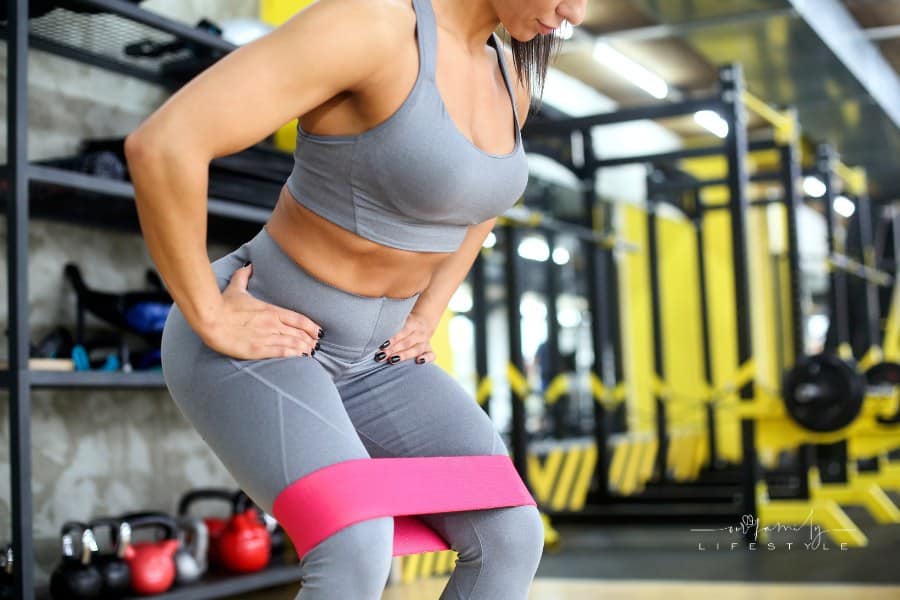
For many fitness enthusiasts, improving glute strength and shape is a top priority — and for good reason. While traditional weights have long been the go-to for building muscle, fabric resistance bands are gaining popularity as a convenient and versatile alternative.
But can these bands truly replace weights when it comes to enhancing your glutes? This article explores the potential of fabric resistance bands, delving into their effectiveness and comparing them with conventional weights.
How Glute Muscles Respond to Resistance
The gluteal muscles, comprised of the gluteus maximus, medius, and minimus, are vital for maintaining posture, balance, and overall lower body strength.
When subjected to resistance, these muscles undergo hypertrophy, a process where muscle fibers increase in size. This response is crucial for achieving toned and well-defined glutes.
Resistance training causes micro-tears in the muscle fibers, which then repair and grow stronger, resulting in muscle growth.
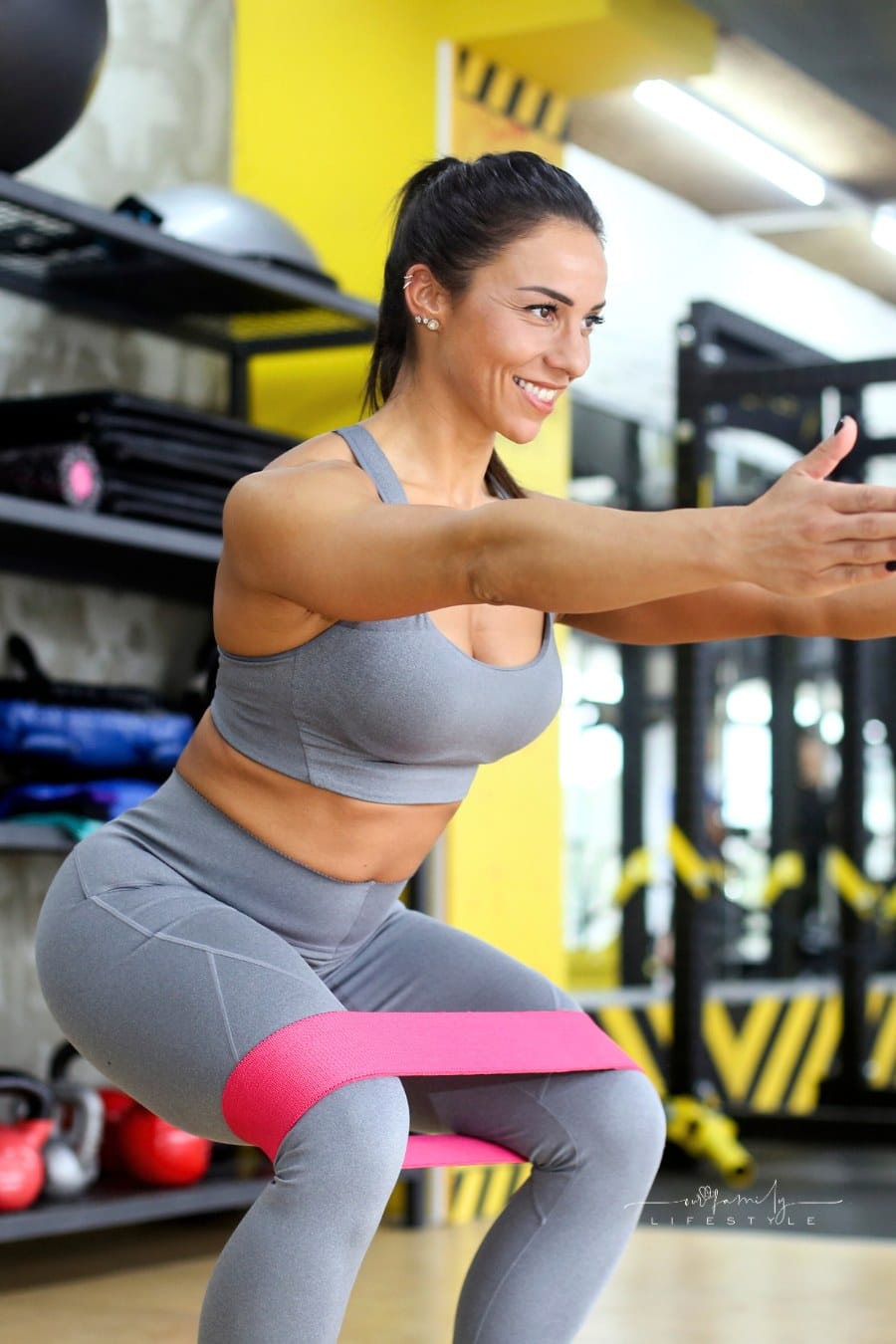
One of the most effective tools to target and activate these muscles is using the best fabric resistance bands for glutes, as they provide consistent tension and help isolate the glutes during key exercises like squats, bridges, and lateral walks.
To effectively stimulate hypertrophy, glute muscles require progressive overload, which involves gradually increasing the resistance or weight used in exercises.
This progressive overload is typically achieved through traditional weightlifting, where you can incrementally add more weights to your routine.
However, fabric resistance bands also provide a form of resistance that can be adjusted by using bands with varying levels of tension.
Fabric resistance bands engage the glute muscles in a slightly different manner than weights.
Since bands provide resistance throughout the entire range of motion, they can enhance muscle activation in both the concentric (muscle shortening) and eccentric (muscle lengthening) phases of an exercise.
This continuous tension can lead to improved muscle endurance and strength, contributing to more sculpted glutes.
Key Differences Between Fabric Bands and Weights
When comparing fabric resistance bands and weights, several key differences emerge. Understanding these distinctions is essential for determining which tool best suits your fitness goals and lifestyle.
- Resistance Types:
- Fabric Resistance Bands: These bands offer variable resistance, meaning the tension increases as the band is stretched. This provides a unique form of resistance that can be more gentle on the joints.
- Weights: Weights provide constant resistance throughout the movement, allowing for precise control over the intensity of the exercise.
- Versatility and Convenience:
- Fabric Resistance Bands: Lightweight and portable, they are ideal for travel and home workouts. They can be easily incorporated into a variety of exercises targeting not only the glutes but also other muscle groups.
- Weights: While effective, weights require more space and equipment, such as a gym or home gym setup, making them less convenient for on-the-go workouts.
- Muscle Activation:
- Fabric Resistance Bands: Bands can enhance muscle activation by providing resistance throughout the full range of motion, which can be beneficial for improving muscle endurance.
- Weights: Weights allow for targeted muscle activation and are effective for building muscle size and strength when progressively increased.
Each tool has its unique advantages, and understanding these differences can help you tailor your workouts to meet specific fitness objectives.
Pros and Cons of Using Fabric Bands for Glutes
Pros:
- Affordability: Fabric resistance bands are generally more affordable than a full set of weights, making them accessible to a wider audience.
- Portability: Their lightweight and compact nature means you can carry them anywhere, allowing for flexibility in your workout location.
- Joint-Friendly: Bands are gentler on the joints compared to weights, reducing the risk of injury, especially for beginners or those with joint issues.
- Variety: They offer a wide range of exercises that can target not just the glutes but also other areas, promoting overall muscle balance and coordination.
Cons:
- Limited Resistance: The resistance offered by bands may not be sufficient for advanced lifters seeking significant muscle hypertrophy.
- Progressive Overload Challenges: Unlike weights, where increasing resistance is straightforward, bands require purchasing multiple sets with different resistance levels to achieve progressive overload.
- Durability: Over time, bands can wear out or lose elasticity, necessitating replacements.
While fabric resistance bands provide an array of benefits, it's important to weigh these against their limitations, particularly if your primary goal is significant muscle growth.
Can Bands Provide Enough Resistance for Growth?
Fabric resistance bands can indeed support muscle growth, but their effectiveness largely depends on your current fitness level and how you use them.
For beginners or those new to strength training, bands can provide adequate resistance to initiate muscle hypertrophy.
By progressively using bands with higher tension and increasing the number of repetitions or sets, you can challenge your glutes and stimulate growth.
For intermediate and advanced lifters, achieving significant muscle hypertrophy with bands alone may be more challenging.
In such cases, combining bands with other forms of resistance, such as weights or bodyweight exercises, can enhance the overall effectiveness of your routine.
This hybrid approach allows you to benefit from the unique resistance profile of bands while also leveraging the consistent resistance offered by weights.
Ultimately, the potential for muscle growth with fabric resistance bands lies in how you utilize them in your workouts.
Incorporating a mix of high-repetition band exercises with heavier weightlifting sessions can provide a balanced approach to glute development.
Ideal Scenarios: When to Use Bands vs. Weights
Determining when to use fabric resistance bands or weights depends on your fitness goals, available resources, and personal preferences. Here are some scenarios to consider:
When to Use Fabric Resistance Bands:
- Traveling: Their portability makes bands an excellent choice for maintaining your workout routine while on the road.
- Home Workouts: If space or budget constraints limit your ability to set up a home gym, bands offer a space-efficient solution.
- Rehabilitation: Bands are ideal for those recovering from injuries, as they provide a low-impact form of resistance that can aid in regaining strength and mobility.
When to Use Weights:
- Building Mass: For those aiming to significantly increase muscle size and strength, weights offer the necessary progressive overload required for advanced hypertrophy.
- Specific Goals: If you have specific strength or power goals, such as lifting a certain amount of weight, traditional weightlifting is more suited to achieving these objectives.
- Structured Programs: Weights are often integral to structured strength training programs that require precise resistance control and tracking.
Summary
While fabric resistance bands offer numerous advantages, they may not fully replace weights for everyone.
For individuals seeking convenience, affordability, and a joint-friendly workout option, bands can be an excellent choice.
They are particularly useful for beginners, those on the go, or individuals with specific rehabilitation needs.
However, for those aiming to achieve substantial muscle hypertrophy and strength, weights provide a level of resistance and progression that bands alone may not match.