


When buyers spend millions on a home, they're investing in an experience. In the luxury real estate market, where location and structural quality are often comparable across listings, it's the design details that ultimately close the deal. Custom elements have become one of the most powerful differentiators a developer or designer can leverage, and understanding why they matter is essential if you're building spec homes, managing high-end renovations, or advising clients on property investment.
Customization as the Detail That Turns a Showing Into a Sale
Luxury buyers have options. They can choose from dozens of high-end properties in any given market, and many of those properties will share the same square footage, the same zip code, even the same builder. What they can't replicate is a home that feels genuinely one-of-a-kind.
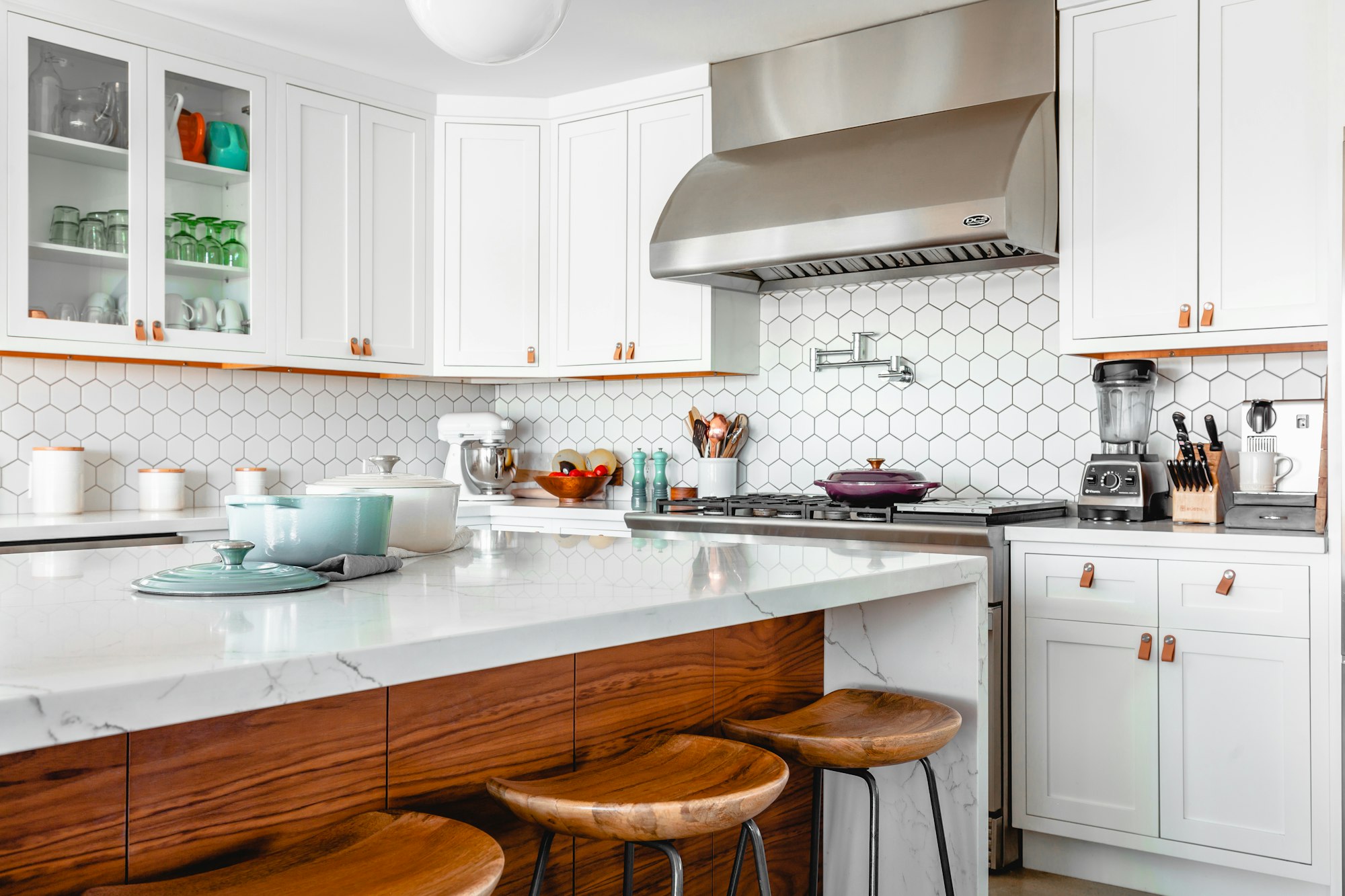
Custom design signals intentionality. When a buyer walks into a kitchen with hand-hammered copper range hoods or a bathroom featuring bespoke metalwork fixtures, they're seeing evidence that someone cared deeply about every inch of the space. That perception of care translates directly into perceived value, which in turn drives purchase decisions.
Developers who invest in custom elements also tend to spend less time on the market. A home that photographs beautifully and tells a cohesive design story attracts serious buyers faster than a property that, however well-built, feels generic.
The ROI of Thoughtful Material Choices
The strongest return on investment tends to come from custom elements that are both visually distinctive and functionally superior, pieces that can't easily be sourced from a big-box retailer and that age beautifully over time.
Natural metals are a particularly compelling category. Copper, brass, and bronze develop patinas that actually improve with age, giving a home character that synthetic or painted alternatives simply can't replicate. A custom copper kitchen hood or hand-crafted metalwork detail in an entryway becomes more beautiful over the decades. For a luxury buyer who plans to live in and eventually resell a property, that longevity is a genuine asset.
Developers and designers sourcing these kinds of pieces often turn to specialized craftspeople rather than mass manufacturers worldcoppersmith.com is one destination serving this market, offering handcrafted copper and metalwork pieces, including range hoods and bar sinks designed specifically for high-end residential applications. Sourcing from artisan makers rather than catalog suppliers is itself part of the story a luxury home tells.
Design Cohesion as a Sales Tool
One of the most overlooked aspects of luxury real estate development is the importance of design cohesion. That is, the way individual elements work together to create a unified atmosphere. Custom design makes cohesion achievable in a way that off-the-shelf products rarely can.
When a developer works with an artisan or custom fabricator, they can specify finishes, proportions, and details that tie a space together across rooms. A hammered copper hood in the kitchen can echo the metalwork on a custom fireplace surround in the living room. The handrail on a staircase can reference the hardware on the front door. These connections are subtle, but buyers feel them even when they can't articulate exactly why a home feels so complete.
Communicating Value to Buyers and Agents
Custom design only pays off if buyers understand what they're seeing. Part of the business case for investing in bespoke elements is the story those elements let you tell, in listing descriptions, in staging conversations, and in the materials you provide to buyers' agents.
Documentation matters here. Knowing the provenance of custom pieces, understanding the craftsmanship behind them, and being able to explain why certain materials were chosen gives agents talking points that support a higher asking price. "Hand-hammered copper from an American artisan workshop" is a more compelling detail than "copper-colored hood," and it justifies a price difference in ways that resonate with sophisticated buyers.
Staging and photography amplify this further. Custom metalwork, natural stone, and artisan finishes photograph in ways that feel warm, which directly affects how a listing performs online, increasingly the first place any serious buyer encounters a property.
Building a Vendor Network That Supports Premium Development
For developers looking to make custom design a consistent part of their business model, the relationship with vendors matters as much as any individual purchase. Building long-term partnerships with skilled craftspeople and specialty suppliers means gaining access to lead times, customization options, and expertise that one-off buyers rarely receive.
This kind of vendor network becomes a competitive asset over time. When you have established relationships with artisan metalworkers, custom millwork shops, and specialty tile makers, you can bring those resources to each new project rather than starting from scratch. Your designs become more refined, your timelines more predictable, and your ability to deliver on a premium promise more consistent.
The business case for custom design in luxury real estate ultimately comes down to differentiation, longevity, and story. In a market where buyers have both high expectations and abundant choices, the developers and designers who invest in genuinely distinctive, well-crafted elements are the ones whose properties command attention, and the prices that follow.
Custom design isn't an expense. In the right market, executed well, it's one of the most reliable investments a developer can make.