

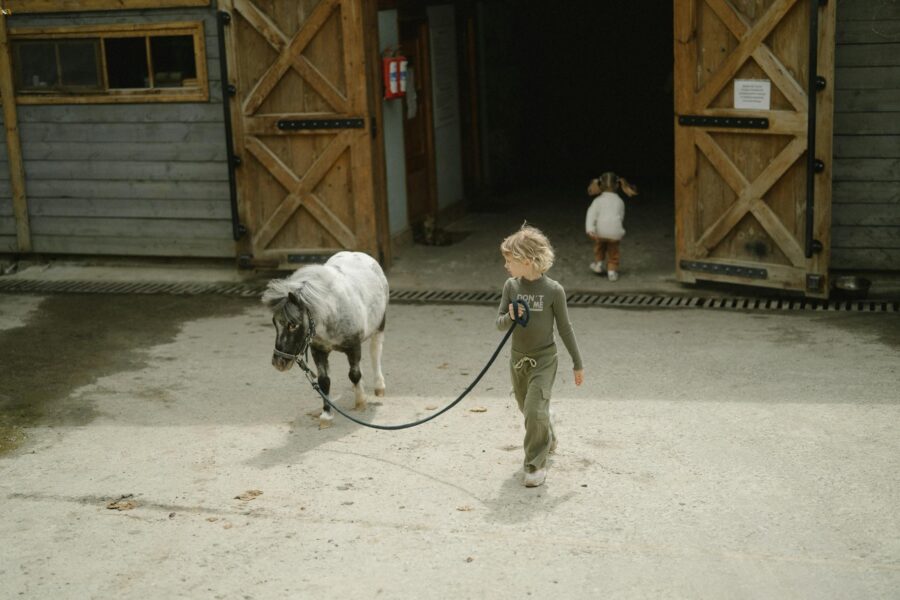
There is a reason why so many people want animals on their land. The idea of fresh eggs, home-milked dairy, and animals grazing nearby is grounding. It connects you to something real.
But let’s not sugarcoat it. Animals are work. They don’t take days off. They don’t care if you’re tired or busy. Once you bring them home, you’re on the hook every day.
Even something as “simple” as keeping goats involves fencing, mineral balance, shelter from wind, and parasite control. And that’s just the start.
This article gives you a clear-eyed look at what you need to have in place before the animals arrive, so you’re prepared for both the joy and the responsibility that come with them.
Start with a Clear Goal
Ask yourself why you want animals in the first place. Do you want eggs, milk, meat, or just the joy of raising animals close to home?
Chickens are great for eggs and easier to manage. Goats help with brush control and can produce milk. Pigs grow fast and provide meat. Cows require more space and feed, but offer milk and beef if you choose the right breed.
Your purpose shapes every other decision. It affects how much land you need, how you’ll build shelters, and how you’ll care for them year-round.
Thinking Beyond Basics
Once you’ve chosen your reason for raising animals, it helps to think one step ahead. What starts as a few chickens or a couple of goats often grows into something more.
Some families begin selling eggs. Others start breeding animals. And in many cases, people explore the idea of collecting and using milk from goats or cows.
If you move toward milk production, even on a small scale, you will need reliable dairy equipment that keeps the process clean and practical.
Look for products that are built to last and come from trusted sources, made for real farm use. Good tools do more than save time. They protect the quality of what you produce.
Strong Fencing Means Fewer Problems
Fencing is not just about keeping animals in; it's also about keeping predators out and preventing escapes that could end in injury or loss.
Each animal type brings its own fencing challenge. Goats climb and push. Pigs dig. Cows lean heavily against anything they can reach.
Use fencing designed specifically for your livestock. Woven wire is a good choice of fence for goats and sheep.
Poultry fencing needs fine mesh to stop birds from squeezing through or predators from reaching in. Cattle panels or electric wire work well for cows.
Secure all corners, posts, and gates. Animals test boundaries often. If they find a weak spot once, they will keep going back to it. Check your fencing regularly. A broken post or sagging line can quickly become a real problem.
Shelter That Works in Every Season
Animals need more than just a roof. They require dry, well-ventilated, and wind-protected spaces that suit their climate and species.
Chickens need enclosed coops with nesting areas, perches, and protection from rain and drafts.
Goats prefer a dry three-sided shelter with clean bedding. Pigs require a shaded area in the summer and insulation in the winter.
Cows, especially those being milked, require a clean, calm area where they can lie down and eat without stress.
Space is just as important as structure. Crowding leads to stress, illness, and bad behavior. Always give more room than the bare minimum, especially if you plan to expand your herd or flock later.
Feeding: Planning Beyond the Grass
Even if your pasture looks healthy, most animals need more than what the land alone can offer. Nutritional needs shift with the seasons, the type of animal, and what stage of growth or production they are in.
Chickens need layer feed for consistent egg production. Goats often require minerals like copper and selenium. Pigs need grain-based rations for proper weight gain.
Cows, especially dairy breeds, burn through calories and nutrients quickly. If you are raising animals for milk or meat, you cannot rely on forage alone.
In winter, you will need hay or silage. During drought, you might need to supplement earlier than expected. Identify a reliable feed and hay source well in advance.
Also, remember that all animals need constant access to clean water. In colder areas, water heaters or insulated buckets can prevent freezing and keep things running smoothly.
Final Thoughts
Raising animals at home connects you with the land in a deep and steady way. There is pride in hearing a rooster at dawn, in gathering eggs still warm from the nest, or in watching your cow calmly chew her cud at sunset.
However, all of that comes with effort, patience, and being prepared for the challenging days as well. Start with purpose, prepare with care, and take your time growing into it.
You do not have to do everything at once. But whatever you do, do it with thought and respect for the animals you bring into your life.