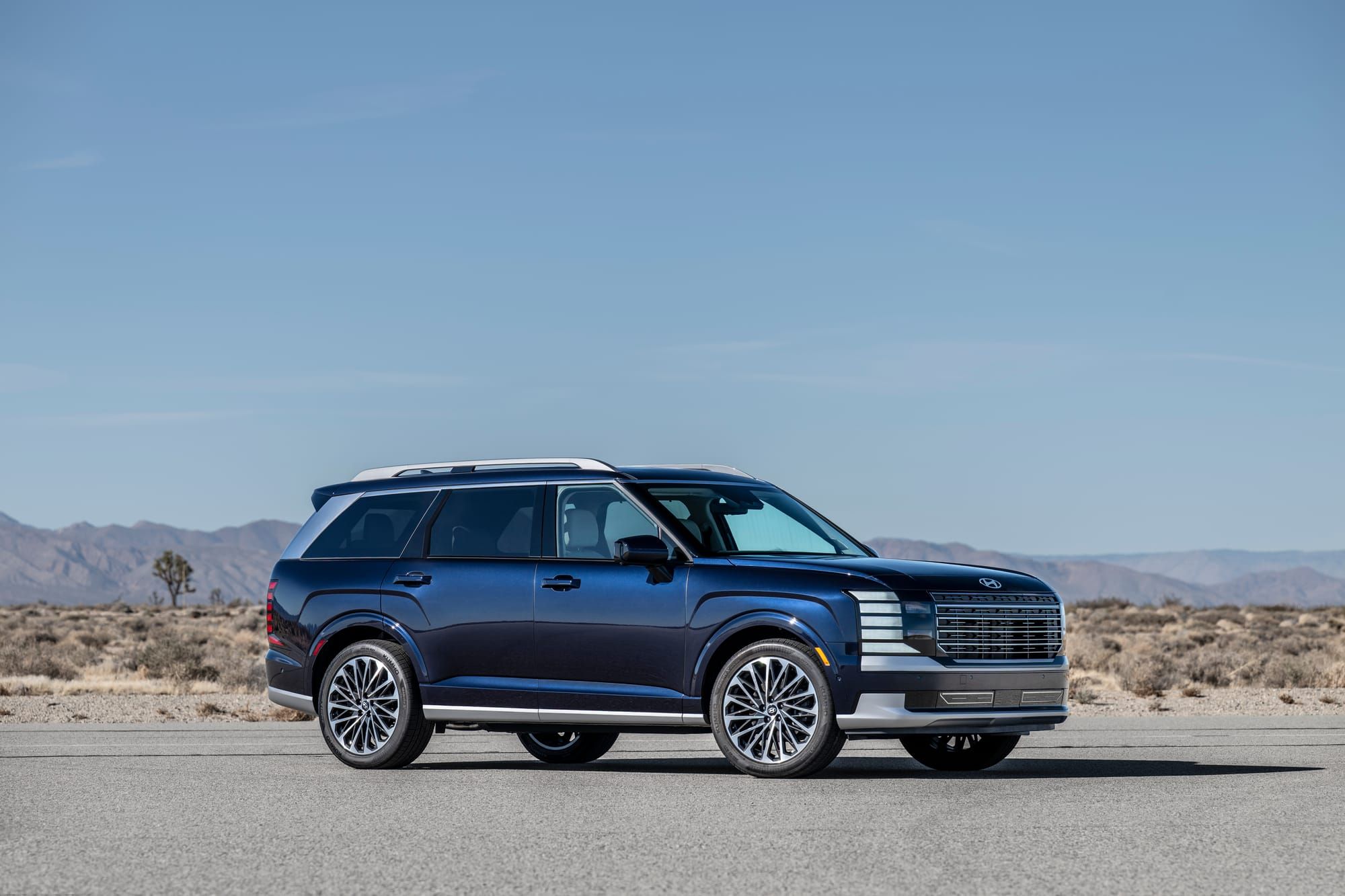


The number plate is the one part of your car the factory can never finish for you. Every other detail — the paint, the trim, the alloy style — arrives from a production line shared with thousands of other owners.
But that small rectangle bolted to the bumper? That one belongs to you alone, and an entire industry of independent specialists has grown up around making it look the part.
Why the British Have Always Had a Thing About Their Plates
Car culture in Britain has never really been about outright power or quarter-mile times. It has always leaned towards character — the patina on a well-kept classic, the subtle body kit on a hot hatch, the cherished registration that spells out a name or a date that means something to its owner.
Private registrations have been bought and sold in the UK since the 1970s, but the physical plate itself was, for decades, an afterthought — pressed tin or a basic acrylic blank knocked out by a garage forecourt machine.
What has changed dramatically over the past ten years is the quality and variety of what independent plate makers can now produce.
The appetite is real. According to the DVLA, well over half a million personalised registrations are transferred to new owners every year. Behind each one is someone who wants their car to say something specific about who they are.
What Independent Plate Makers Actually Offer That a Forecourt Machine Cannot
Walk into any petrol station and you can still get a standard pressed plate in five minutes. What you cannot get is choice.
Independent specialists have turned plate production into something closer to a considered purchase, with options that would have seemed absurd fifteen years ago.
The difference shows up immediately when you start looking at what reputable online makers provide. Services like Plates Express allow customers to configure plates with different border styles, text colours, and legal badge options before ordering — so what arrives actually matches the aesthetic of the car rather than clashing with it.
Available Options Include:
- Standard yellow and white acrylic in short, standard, and oblong formats
- Show plates with 3D and 4D gel or acrylic raised lettering for a premium finish
- Legal carbon-effect and honeycomb-texture backgrounds on display plates
- Motorcycle plates in the correct smaller dimensions
- Classic and vintage-style plates for pre-1973 vehicles displaying age-related or dateless registrations
- Side badges in GB, UK, or regional formats including the Welsh dragon and Scottish saltire
Each of these choices interacts with how a car looks on the road or on the driveway.
A blacked-out saloon with a 4D carbon-effect plate looks deliberately composed.
A cream-coloured classic estate with a vintage-format plate and no border looks period-correct in a way that a standard modern plate simply would not.
The Family Angle: Plates as a Practical and Personal Statement
Not everyone buying a personalised plate is a car enthusiast in the traditional sense.
A significant and growing share of the market is made up of families who simply want something that reflects their household — a registration with the family surname, a combination built around children's initials, or a plate that marks a milestone like a wedding year or the arrival of a new baby.
For families, the physical plate itself matters just as much as the registration number.
A cherished number displayed on a poorly made, yellowing blank undermines the whole point. Quality independent makers use UV-stabilised acrylic that resists fading and cracking, meaning the plate still looks sharp years later.
There is also something quietly practical about a personalised registration for a family car:
- Easier to spot in a crowded parking lot
- Easier to describe if needed
- Easier to identify in case of theft
Personalisation and practicality, for once, pull in the same direction.
The Legal Side: What Road-Legal Actually Means
This is where enthusiasm meets regulation.
In the UK, plates displayed on public roads must conform to British Standard BS AU 145e, covering:
- Font
- Character spacing
- Size
- Reflectivity
There is no wiggle room — non-compliant plates can result in:
- Fines up to £1,000
- MOT failure
Reputable plate makers are registered with the DVLA as Registered Number Plate Suppliers (RNPS).
This means they must:
- Verify your identity
- Confirm your entitlement to use the registration
If they don’t ask for documentation, that’s a red flag.
Road-Legal vs Show Plates
- Road-legal plates → Fully compliant with BS AU 145e
- Show plates → Non-standard fonts, colors, or designs
Show plates are legal to own and display at:
- Car shows
- Private property
- Events
But not legal for road use.
How Plate Aesthetics Have Become Part of Car Culture
Spend time at any British car show — from Goodwood Revival to local meets — and you’ll notice something:
The plate matters.
It’s often the finishing touch that separates a “clean” car from a “complete” build.
Social media has amplified this.
Cars featured on Instagram or YouTube are styled down to the smallest detail. A basic OEM plate on a fully built car now feels out of place — like plastic hubcaps on premium wheels.
Independent plate makers have adapted by:
- Improving preview tools
- Offering fast turnaround times
- Providing next-day delivery
Choosing the Right Plate Maker
Not all suppliers are created equal. Here’s how to spot the good ones:
Key Things to Look For:
- DVLA RNPS registration
- Compliance certification (BSI number + postcode on plate)
- UV-stabilised materials for durability
- Accurate preview tools before purchase
- Clear distinction between road-legal and show plates
Quality matters — especially in a product exposed to weather year-round.
Final Thoughts
The British number plate may be small, but it carries outsized importance.
It’s the only part of your car that is entirely yours — a unique identifier that no other driver shares.
Whether it’s a family car, a weekend classic, or your daily driver, getting the plate right is one of the simplest ways to give your vehicle a real sense of identity.
And in a country with such a deep-rooted car culture, that feels exactly right.