


Do you find yourself wondering how to make the best school choices for your child each fall? The back-to-school season can bring excitement, stress, and a long list of decisions that can feel overwhelming.
From choosing the right learning environment to planning daily routines, parents are often juggling many priorities all at once.
In this blog, we will share some important areas parents should think about before sending their children back to school.
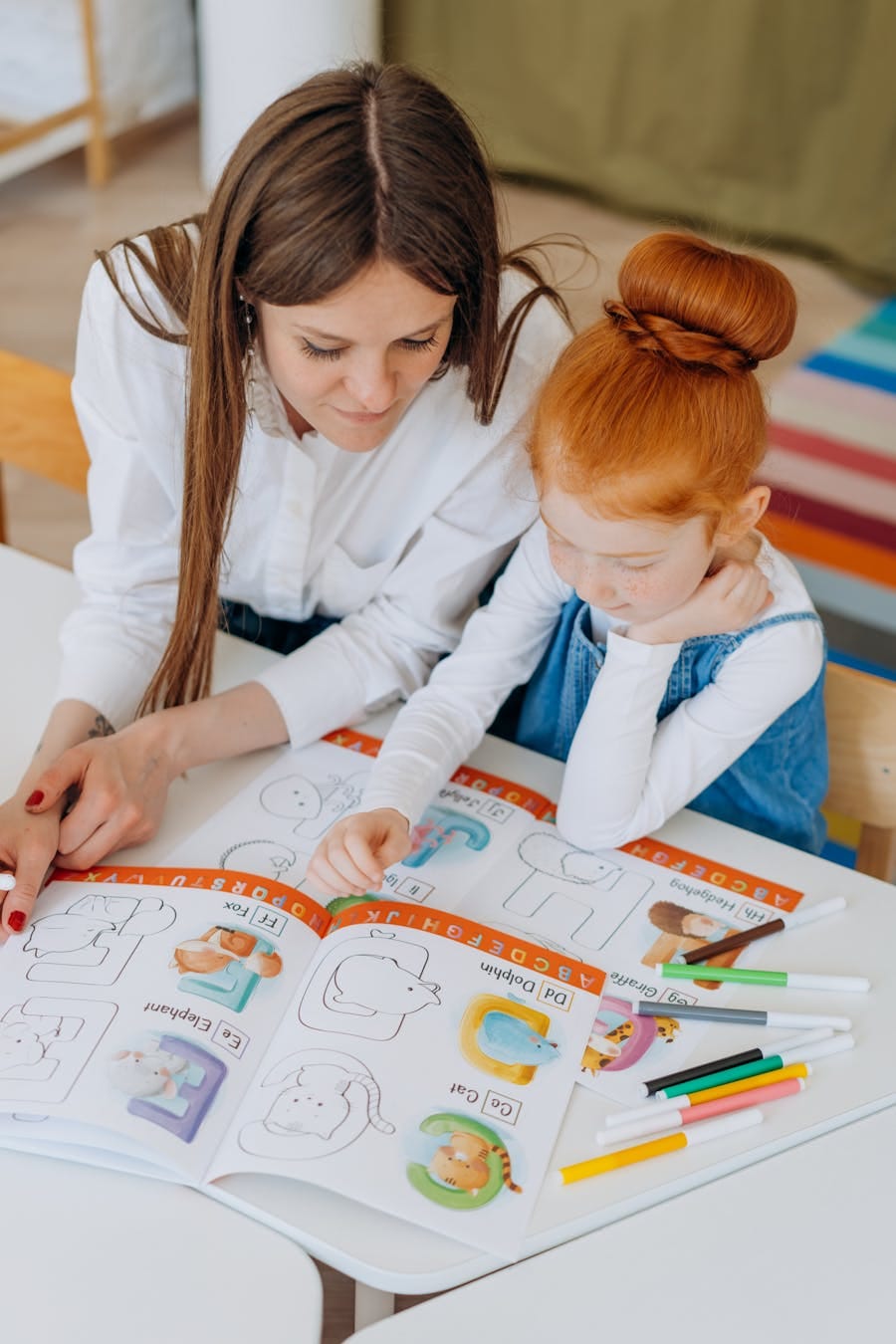
Understanding Your Child’s Learning Style
Every child learns differently. Some students thrive in hands-on learning environments, while others prefer quiet, structured classrooms.
As a parent, it's important to know how your child absorbs information and what type of environment helps them succeed.
Take time to reflect on their past experiences in school—what worked well and what caused frustration?
Do they like to work in groups, or are they more comfortable learning independently? These insights can help guide your decisions moving forward.
You can also talk to your child’s teachers from the previous school year to gather more information. Ask about the kind of instruction your child responded to and what challenges they faced.
Some schools even offer learning assessments or feedback forms that provide a deeper look at your child’s academic needs.
Choosing the Right School Setting
Not all schools are the same, and the setting your child learns in matters a lot. You might be deciding between a public school, a private school, a charter school, or even homeschooling.
Each option comes with its own benefits and challenges.
For instance, some private schools offer smaller class sizes and a specific educational focus. Public schools may offer more extracurricular opportunities and be more convenient for your family’s schedule.
If you’re considering private education, you may have come across the term “prep school.” You might be asking yourself, what is a prep school, and how does it differ from regular private schools?
Prep schools, short for preparatory schools, are private institutions that often focus on preparing students for college. They tend to have a strong academic reputation and may offer more advanced classes.
Knowing the differences can help you make a more informed choice based on your goals for your child.
Evaluating Transportation and Commute Time
The school day doesn't just involve the hours spent inside the classroom. The time it takes to get to and from school can affect your child’s daily routine and mood.
A long commute may leave them feeling tired and reduce time for homework, play, or family interaction.
Consider how far the school is from your home and how your child will get there. Will they take the bus, ride a bike or walk, or will you need to drive them?
Transportation logistics are also important for your family’s schedule. If you have more than one child attending different schools, or if your work hours overlap with school pick-up times, planning ahead becomes even more important.
Look into carpool options, after-school programs, or neighborhood groups that might help with shared responsibilities. These choices can reduce stress and make school days run more smoothly for everyone involved.
Balancing Academics with Extracurriculars
Academics are important, but so is everything your child learns outside of the classroom. Sports, music, art, and other activities help children develop confidence and social skills.
When choosing a school or planning your child’s schedule, ask about extracurricular opportunities.
Think about your child’s interests and passions—do they enjoy creative activities or physical challenges? A school that supports these can offer a more complete learning experience.
You’ll also want to think about time management. If your child has too many activities on top of schoolwork, they might feel overwhelmed.
It’s okay to start small—maybe one activity per semester—and then add more as your child adjusts.
Some schools offer built-in extracurricular time, while others may require staying after school or traveling to other locations. Whatever the setup, make sure there’s a healthy balance between academics and other interests.
Creating a Consistent Routine at Home
A smooth back-to-school transition depends on more than just school decisions. Your home routine plays a big role in helping your child succeed.
Set consistent wake-up times, bedtime schedules, and homework hours before school starts.
Kids thrive on predictability, and having clear expectations helps them feel more in control. Include time for breakfast, packing lunches, and preparing school supplies to make mornings less stressful.
Creating a calm, quiet space for homework is also helpful. It doesn't have to be fancy—a clean table and good lighting can make a big difference.
Keep school supplies in one place so your child can focus without distractions. You can also involve your child in planning the routine.
When kids take part in decisions, they feel more responsible and motivated. Starting the school year with a solid home routine sets a positive tone for the months ahead.
Checking for Health and Safety Measures
In today’s world, health and safety at school are important topics for parents. It’s not just about avoiding illness but also about making sure the school is a safe space for learning and growth
Ask about the school’s policies on health screenings, sick days, and how they handle emergencies.
Are there nurses on site? How do they communicate with parents if something happens? These details can give you peace of mind.
Mental health is just as important. Does the school offer counseling or emotional support? Are teachers trained to spot signs of anxiety or bullying?
A supportive environment helps kids feel secure, which improves learning and behavior. When a school shows that it takes both physical and emotional health seriously, it’s more likely to be a place where your child can thrive.
In conclusion, back-to-school season is about more than just backpacks and supplies. It’s a time to reflect on your child’s needs, your family’s routines, and your hopes for the year ahead.
The decisions you make now can shape not only their academic success but also their well-being and confidence.
Whether you’re choosing a new school, setting up a routine, or talking through their worries, each choice plays a part in creating a positive experience.
Take your time, ask questions, and trust your instincts. After all, the most valuable thing you can offer your child is your support and care—every step of the way.