
How Artificial Grass Installation Can Elevate Landscaping in Melbourne
Learn how artificial grass installation can improve Melbourne landscaping with low-maintenance design, proper drainage, pet-friendly options, and water-wise planning.

Melbourne weather rarely picks a lane. You can get four seasons in an afternoon, then a dry spell that leaves the lawn crunchy by the weekend. Add busy schedules and water-wise habits, and many homeowners want a yard that looks good without becoming a second job. That is where synthetic turf can fit alongside natives, mulch, and gravel paths.
This guide explains where synthetic grass works best, what a proper install involves, and what to check before you commit.
Why a low-fuss yard makes sense in Melbourne
Water rules shape how we garden here. Under Victoria's Permanent Water Saving Rules, gardens using watering systems may only be watered between 6 pm and 10 am. After a December 2025 review, those rules remained in place, so it makes sense to plan your yard around them.
You do not need to rip everything out. Swap thirsty lawn edges for hardy native beds, use mulch, add gravel paths, and reserve lawn or synthetic turf for the spot you actually use.
Where artificial grass fits best
Synthetic turf is not a whole-yard answer, but it can work well where natural grass struggles.
- Shaded or high-wear patches where real grass thins out.
- Small courtyards where mowing feels unnecessary.
- Play areas that turn muddy after rain.
- Rooftops and balconies where soil is not an option.
- Dog runs that get heavy daily use.
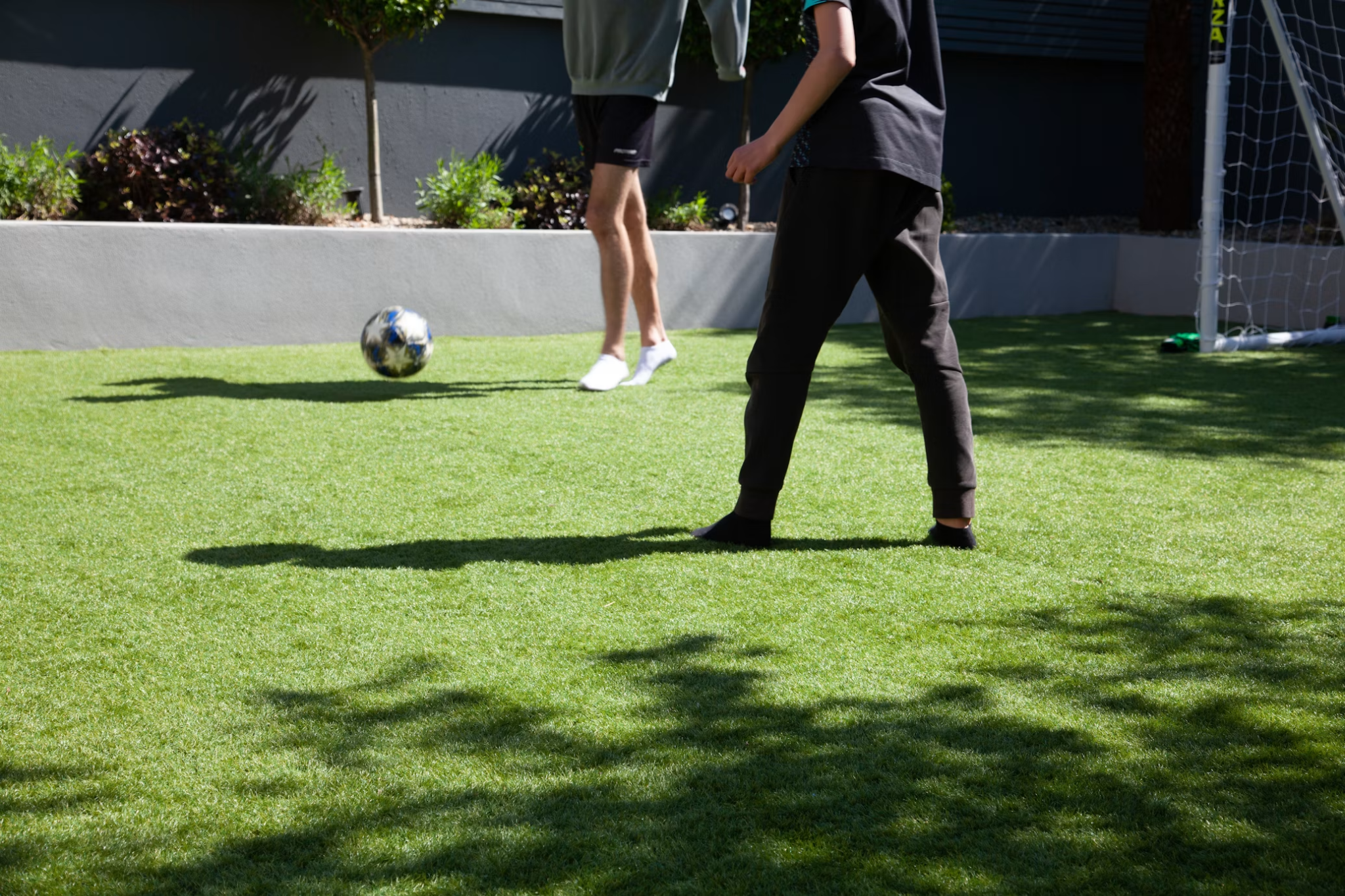
If you want a greener look without weekly mowing or watering, compare installers on base preparation, drainage, edging, and pet use. When you shop artificial grass installation in Melbourne, look for a team that explains those steps for residential and commercial spaces. Love It Landscaping, for example, describes drainage, smooth base preparation, precision cutting, and UV-stabilised, pet-friendly turf that avoids watering, mowing, and fertilisers.
One caveat before you plan a front yard: nature strips have council-specific rules, so keep synthetic turf on your own land while you confirm what is allowed.
What a quality installation includes
Most turf complaints come down to a rushed base. A clear turf quote, including one from Love It Landscaping, should spell out base depth, drainage, joins, infill, and edging.
Site prep and base
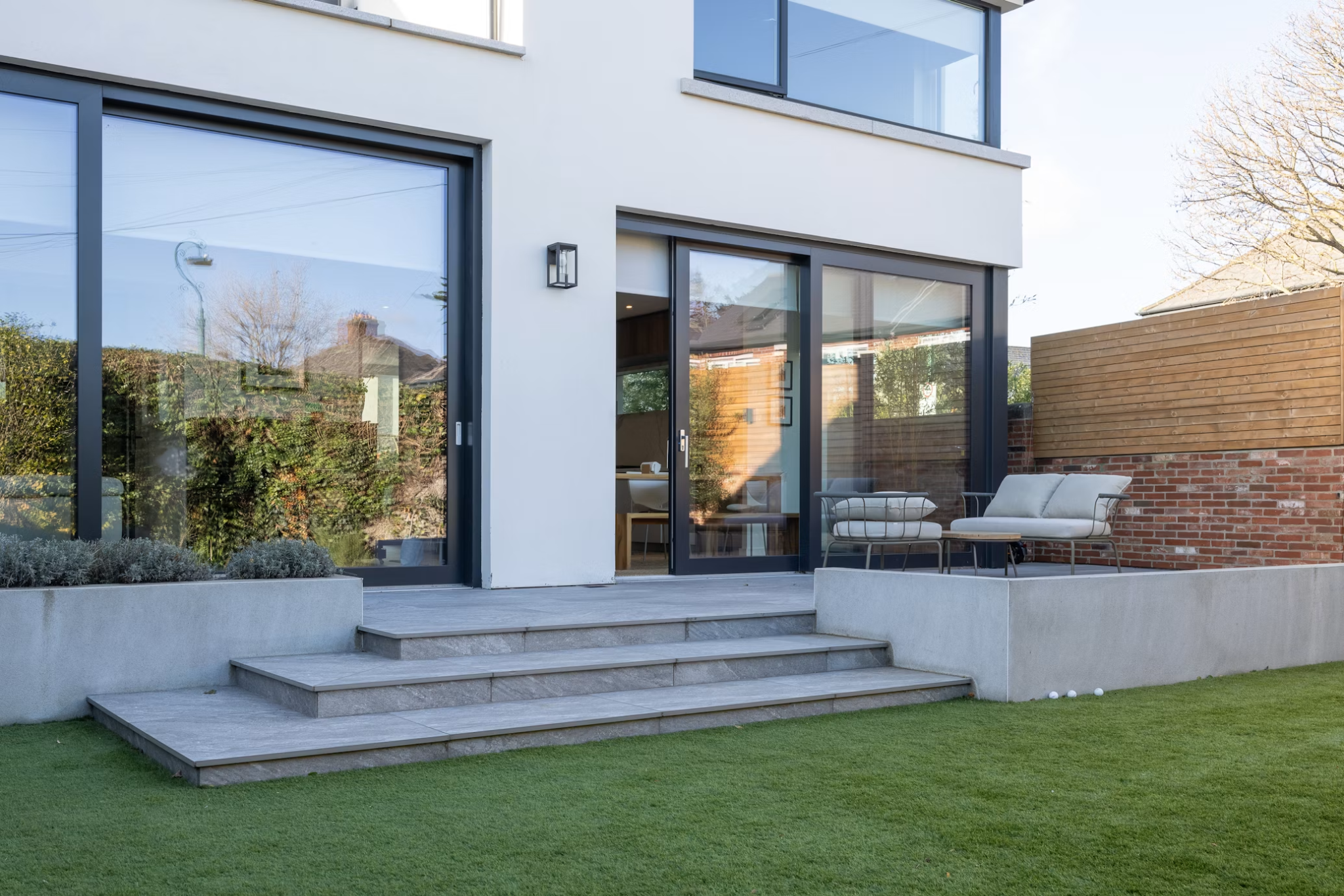
The work usually starts with excavation and levelling, then a layered base. Common Australian guidance recommends about 60 to 70 mm of compacted crushed rock, topped with roughly 20 mm of crusher dust. Edges hold the turf in place, and a slight slope away from buildings helps water run off instead of pooling.
Laying and finishing
Quality turf uses a perforated backing so water can drain through. Sheets are cut, joined, and fixed down. Sand infill, roughly 4 to 5 kg per square metre, helps the pile stand up and keeps the surface stable. A final brush lifts the fibres. None of this is glamorous, but it is the difference between turf that lasts and turf that ripples.
Comfort, care, and pets
Heat is the honest trade-off. A 2025 Melbourne backyard experiment found artificial turf reached a maximum hourly mean surface temperature of 71.6 degrees Celsius in summer. Its daytime mean was 49.9 degrees Celsius, compared with 31.7 degrees Celsius for unirrigated natural turf and 29.9 degrees Celsius for irrigated turf. The same study noted the surface exceeded a 48 degrees Celsius burn threshold for almost four hours per day on average.
That does not rule turf out, but it shapes the design.
- Add shade sails or plant a tree canopy.
- Keep footwear on during peak-heat afternoons.
- Position turf where it gets relief from full sun.
For pet homes, rinse regularly and remove solid waste quickly. Australian guidance suggests an enzymatic neutraliser to break down urine compounds in the backing and infill, with a vinegar-and-water mix as an occasional pre-treatment rather than a daily fix.
If you are planning a bigger backyard change
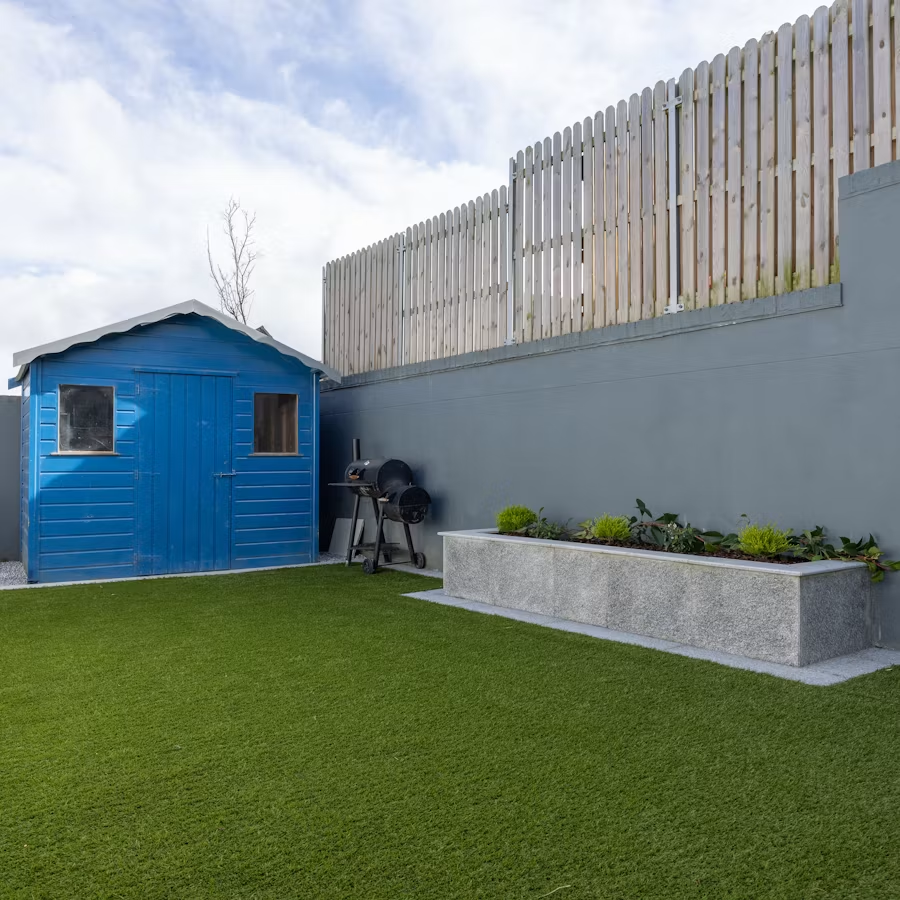
Sometimes a lawn swap is just the first step. If the whole yard needs rethinking, drainage, levels, and structures all start to matter at once.
If you are planning a full backyard transformation beyond lawn alternatives, consider expert landscaping in Melbourne from a local designer-builder that services the eastern suburbs, including Glen Iris, Balwyn, and Burwood. For larger jobs, a team that manages permits, drainage, design, installation, and handover can reduce gaps between planning and construction.
For a smaller, contained project, a turf specialist like Love It Landscaping may be all you need. For a full rebuild, a design-build approach is usually the better fit.
Design combos that still feel green
A tidy turf panel looks best when it is framed by living plants. These pairings stay lower on watering and upkeep:
- A small turf square bordered by native grasses and a mulched bed.
- Turf beside a permeable gravel path so rainwater can still soak in.
- A shaded turf nook under a canopy, edged with hardy groundcovers.
- A courtyard mix of turf, stepping stones, and potted natives.
Since heat is a real factor, planning shade early pays off. If you are weighing options and want some green design inspiration, sustainable gardening ideas are a helpful starting point for pairing cover with a turf area so it stays usable on hot days.
The aim is balance. Living plants cool the space, support soil and insects, and stop the yard from feeling artificial. Consumer coverage has also raised environmental questions around synthetic lawns, including possible microplastic runoff and effects on soil life under the plastic.
Rules and good-neighbour checks
Before you order anything, check your local council's position. Nature strips are the common sticking point. Hume City Council's landscape guidelines state artificial turf is not acceptable for nature strips, reserving synthetic surfaces for designated sporting facilities. Cardinia Shire requires approval to modify nature strips and notes synthetic turf is not preferred, though it may be approved if professionally installed over a stable base and kept clean and weed-free.
Victorian state guidance updated in May 2026 states that early learning outdoor spaces should not use synthetic or non-natural materials like artificial grass, except where required for accessibility or safety, and that heat mitigation must be considered. The takeaway is not that turf is banned everywhere, but that public and shared spaces can face stricter rules than your backyard. Confirm the details with your council.
Conclusion
Synthetic turf earns its place in the right spots: shaded corners, muddy play zones, tiny courtyards, and busy dog runs. The install matters more than the product label, so a firm base, crushed-rock layers, and real drainage are worth insisting on. Pair a tidy panel with natives, mulch, and permeable paths, plan for shade, keep a simple pet-cleaning routine, then check council rules before you buy.


