
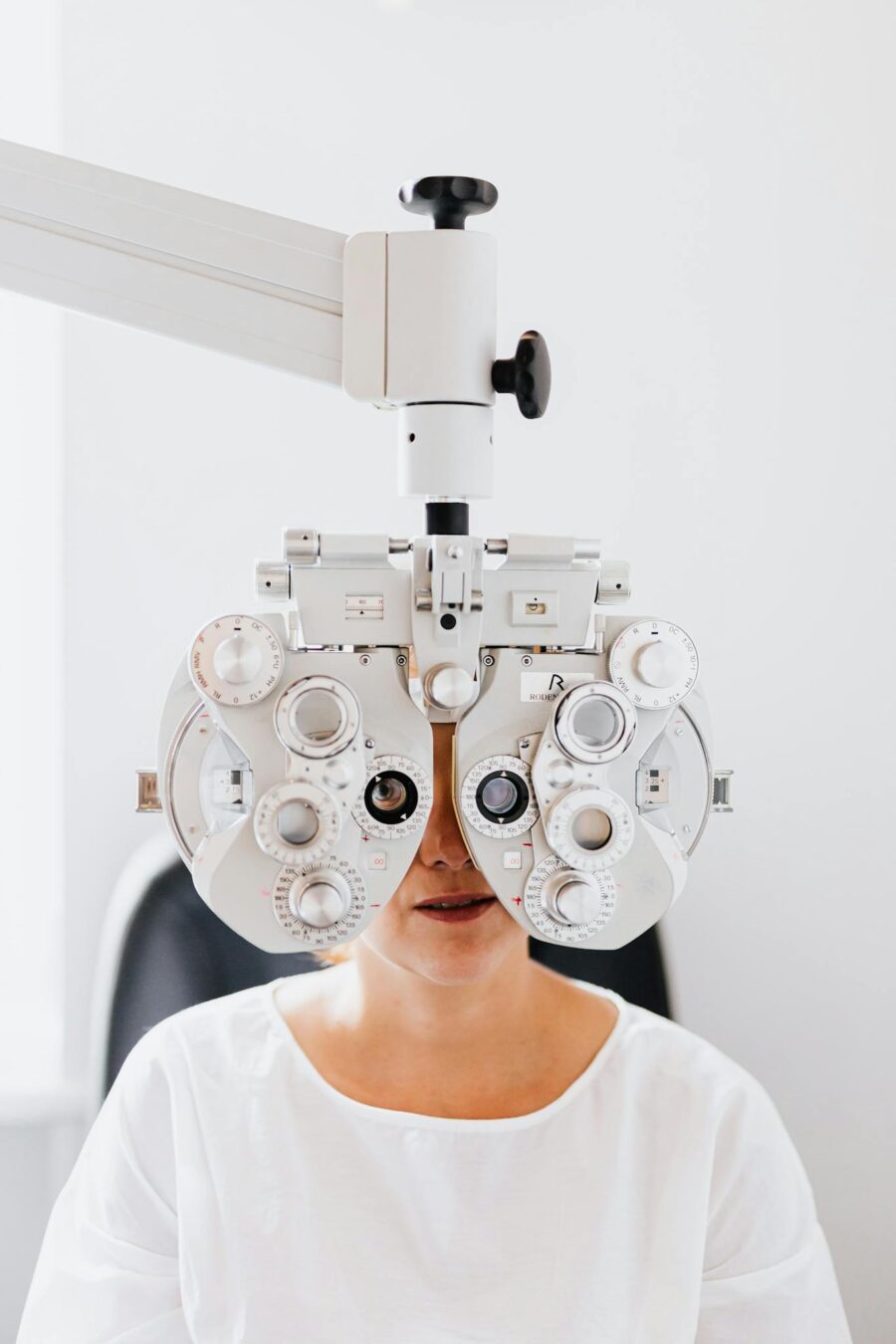
Fitting contact lenses for patients with irregular corneas and severe dry eye demands precision, innovation, and individualized care.
These conditions pose unique challenges: irregular corneas—often caused by keratoconus, post-surgical ectasia, or trauma—result in distorted vision that conventional lenses can't correct, while severe dry eye can make traditional lens wear intolerable.
However, with modern advancements in lens design, materials, and diagnostic technologies, eye care professionals can now offer solutions that provide both comfort and clarity.
We will explore the advanced options available, focusing on key technologies, fitting strategies, and clinical decision-making.

Understanding The Conditions
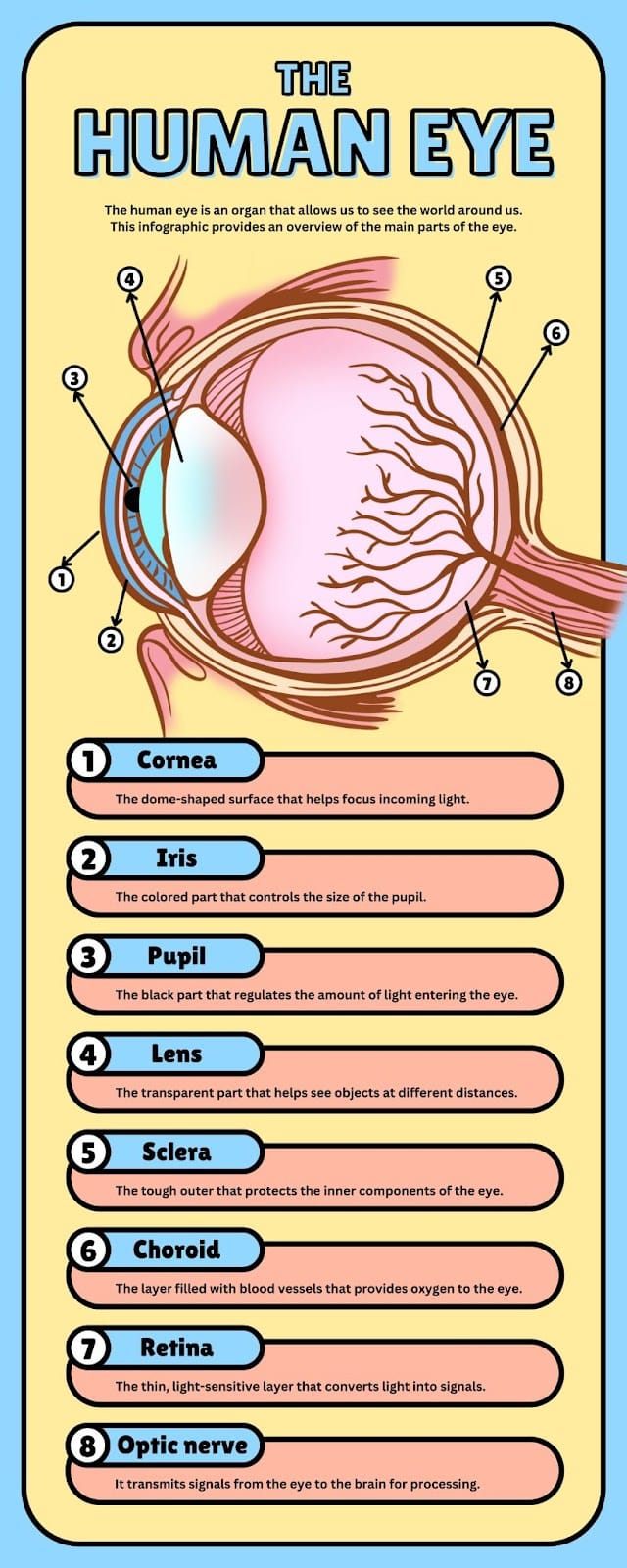
Before choosing a contact lens strategy, it’s critical to understand how irregular corneas and severe dry eye affect ocular function and patient quality of life.
Irregular Corneas: A Complex Refractive Landscape
Irregular corneal surfaces disrupt the eye's natural focusing ability. Unlike regular astigmatism, which has predictable curvatures, irregular corneas scatter light in unpredictable ways. Conditions that lead to irregularity include:
- Keratoconus – progressive thinning and cone-shaped deformation of the cornea.
- Pellucid Marginal Degeneration (PMD) – peripheral thinning, leading to inferior corneal steepening.
- Post-Radial Keratotomy (RK), LASIK, or PRK – surgical alterations resulting in corneal instability.
- Corneal scarring or trauma – due to infection, injury, or chemical burns.
Severe Dry Eye: More Than Discomfort
Dry eye disease can be aqueous-deficient (lack of tear production), evaporative (poor tear quality), or mixed. In severe cases, symptoms include:
- Burning, gritty sensation
- Blurred vision
- Redness and photophobia
- Inability to tolerate standard soft lenses due to friction and dehydration
Patients with these challenges need specialized contact lenses that restore optical regularity and protect the ocular surface.
Advanced Lens Types And Their Applications
A range of specialized lens technologies are available to address the unique optical and surface challenges posed by these complex eye conditions.
1. Scleral Lenses: The Gold Standard For Both Conditions
Scleral lenses are large-diameter gas-permeable lenses that vault over the cornea and rest on the sclera, creating a tear-filled reservoir between the lens and the cornea. This tear layer:
- Masks corneal irregularities to improve visual acuity
- Constantly hydrates the eye, relieving dry eye symptoms
- Protects fragile or scarred corneal epithelium from friction
Scleral lenses come in various sizes:
- Mini-scleral (14.5–18 mm) – easier to handle, ideal for mild irregularities
- Full scleral (18.1–24 mm) – more stable and suitable for severe cases
Modern designs like Michigan Contact Lens & Optical, Zenlens, and Ampleye offer customizable haptic zones, toric landing zones, and multifocal optics. Topography-driven fitting ensures precise alignment with the eye's shape.
2. Hybrid Lenses: A Soft Touch With Rgp Clarity
Hybrid lenses combine a rigid gas-permeable (RGP) center with a soft skirt. This gives patients the clarity of RGP lenses with improved comfort.
Brands like SynergEyes UltraHealth and ClearKone are tailored for keratoconus and mild dry eye.
However, they may not be ideal for advanced ocular surface disease due to oxygen transmission limits and potential tight-lens syndrome.
3. Custom Soft Lenses For Irregular Corneas
New-generation soft lenses designed specifically for keratoconus and post-surgical eyes—such as KeraSoft IC or NovaKone—offer increased thickness to mask irregularities and customized base curves.
These are suitable for patients who cannot tolerate rigid lenses, though they typically offer less visual correction than scleral lenses.
4. Prose Devices (Bostonsight Prose)
Prosthetic Replacement of the Ocular Surface Ecosystem (PROSE) is an advanced application of scleral technology used in tertiary care centers.
Each device is custom-manufactured using digital ocular mapping to manage extreme cases of dry eye, Stevens-Johnson syndrome, or graft-vs-host disease.
While expensive and time-intensive, PROSE provides life-changing results for patients with otherwise untreatable conditions.
The Fitting Process: High-Tech And Highly Individualized
Modern contact lens fitting relies on precise diagnostics and personalized adjustments to ensure comfort, stability, and optimal vision.
Step 1: Total Evaluation
- Topography and Tomography – Corneal topography maps curvature, while tomography (e.g., Pentacam) gives three-dimensional insight into corneal thickness and elevation.
- Tear Film Assessment – Fluorescein staining, tear breakup time (TBUT), and Schirmer’s test help assess severity of dryness.
- Eyelid and Meibomian Gland Analysis – Infrared meibography can highlight evaporative causes of dry eye.
Step 2: Lens Selection And Trial Fitting
Using diagnostic lens sets or imaging-guided design software, practitioners select lenses that vault the cornea adequately (often by 200–300 microns initially) and avoid limbal touch. Key adjustments include:
- Vault and sagittal depth
- Landing zone width and toricity
- Peripheral haptic modifications for comfort and centration
Fluorescein dye helps visualize tear exchange, clearance, and areas of potential impingement or bubble formation.
Step 3: Training And Adaptation
Patients require thorough education on:
- Insertion and removal (using plungers or fingers)
- Disinfection routines (hydrogen peroxide systems are often preferred)
- Lens fill solutions—preservative-free saline is key to avoid toxicity
Many patients adapt quickly to scleral lenses once discomfort resolves and vision improves.
Addressing Common Challenges In Advanced Fitting
Even with advanced lens designs, patients may experience issues that require targeted clinical management and ongoing adaptation.
Managing Severe Dryness In Lens Wearers
Even with scleral lenses, some patients may continue to experience symptoms. Strategies include:
- Adding autologous serum or preservative-free artificial tears to the lens reservoir
- Punctal occlusion to retain tears
- Concurrent lid hygiene and warm compress therapy
- Adjunctive therapies like topical cyclosporine (Restasis/Xiidra), oral omega-3s, or LipiFlow
Patients with inflammation-driven dry eye benefit from systemic workups for Sjögren’s syndrome or ocular rosacea.
Dealing With Lens Fogging
Midday fogging is a common complaint, caused by debris trapped in the tear reservoir. Solutions include:
- Ensuring proper lens edge alignment
- Using non-preserved saline with added viscosity agents
- Advising midday lens removal and reapplication if needed
- Managing ocular surface inflammation aggressively
Special Populations And Customization
Unique patient profiles—such as pediatric cases or post-surgical eyes—require extra care and advanced customization for successful outcomes.
Pediatric And Post-Surgical Patients
Children with corneal trauma or congenital conditions benefit from scleral lenses due to their protective and refractive benefits. Post-keratoplasty or post-LASIK patients often require ultra-custom fits with enhanced vaulting and decentered optics.
Bilateral Asymmetry
In cases of asymmetric keratoconus, practitioners may fit different lens types or designs in each eye. Topography-guided customization is key, and some labs now offer eye-specific digital modeling.
Future Directions And Innovations
Rapid developments in materials, imaging, and digital technology are transforming how practitioners design and fit contact lenses for the most demanding cases.
Eyeprintpro And 3D Printing
This cutting-edge system uses impression-based scanning to generate perfectly contoured scleral devices. It is especially valuable for eyes with extreme asymmetry, post-surgical irregularity, or large blebs.
Smart Lenses And Telemetric Monitoring
Research is underway into scleral lenses embedded with biosensors for intraocular pressure, tear composition, or medication release—promising an exciting frontier in ocular surface management.
AI-Driven Fitting Software
Artificial intelligence platforms are emerging to analyze topography and suggest optimal lens parameters, reducing chair time and improving first-fit success rates.
Wrapping Up
Advanced contact lens fitting for irregular corneas and severe dry eye is a cornerstone of modern optometric and ophthalmologic care.
With technologies like scleral lenses, hybrid platforms, and 3D-customized prosthetics, practitioners can now deliver exceptional vision and comfort even in the most complex cases.
By leveraging precise diagnostics, customized design, and continuous patient support, eye care professionals can significantly enhance quality of life for those once considered untreatable.