
7 Simple Picks That Truly Help Your Pets
Discover seven practical pet health tips, including joint support, dental care, parasite prevention, probiotics, and enrichment for happier, healthier pets.

I know how overwhelming it feels to walk into a pet store or scroll through endless options online. You want to help your furry friend, but half the products look like pure marketing. After years of digging through research and talking with vets, I have narrowed things down to seven essentials that genuinely improve comfort, prevention, and behaviour for Australian pets.
This guide covers dogs, cats, and even horses. Each pick includes when it helps, how to choose wisely, and practical tips you can use today. Whether you're managing a senior dog's stiff joints or keeping your horse hydrated during summer shows, I have got you covered.
Marine Omega 3s Ease Stiff Joints And Support Comfort
Fish oil is not just trendy, it has solid science behind it for joint comfort. Studies in dogs with osteoarthritis show omega 3 enriched diets reduce the need for pain medication. They also improve weight-bearing compared with control diets.
When It Helps
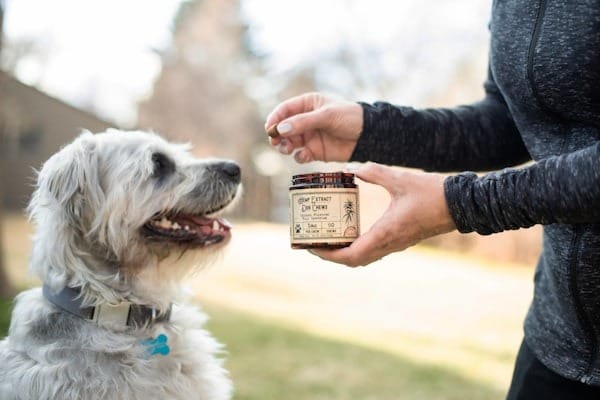
If your dog is slower on stairs, stiff after rest, or less playful than before, omega 3s can support joint health alongside weight management and prescribed treatments. Cats can benefit too when your vet supports a trial.
What To Buy
Choose purified fish oil that lists EPA and DHA per millilitre. Avoid generic omega 3 products containing only ALA, and skip routine cod liver oil because excess vitamin A and D can be harmful. Target about 50 to 70 mg combined EPA plus DHA per kilogram of body weight daily.
Safety Tips
Introduce the oil gradually over one to two weeks with food. Refrigerate it and discard the bottle if it smells rancid. Check with your vet if your pet has a history of pancreatitis or takes blood thinners.
Practical Joint Support Stays On Track When Pets Accept It Happily
The best supplement does nothing if your pet refuses to take it. For picky eaters or small dogs, palatable gels or liquids usually work better than chews or tablets.

How To Use It
Start with a pea-sized amount mixed into food, increasing to the full dose over one week. If your vet recommends a plant based joint supplement and your dog refuses chews or tablets, consider a pumpable gel for precise dosing and easier acceptance. For an easy-to-source option in Australia, The Animal Pharmacy stocks 4CYTE gel for dogs, which Australian owners generally find simple to add to meals. Follow the manufacturer's dosing guide and review progress in two to four weeks.
Targeted Probiotics Can Shorten Mild Upsets Safely
A good probiotic can shorten the duration of sudden, uncomplicated diarrhoea. One multicentre study found a canine probiotic paste resolved symptoms faster than placebo.
When To Use And When To Skip
These work best for sudden soft stools without blood or lethargy, typically linked to stress, diet changes, or boarding. Skip them and call your vet for blood in stool, fever, vomiting, pain, or no improvement within 48 to 72 hours.
Shopping Tips
Look for products with named strains, per-dose CFU counts (colony forming units), and clear storage directions. Quite a few need refrigeration. Follow the label for three to five days alongside a bland diet.
Proper Electrolytes Help Hardworking Horses Recover Faster
After work or in hot weather, horses lose significant water and salts through sweat. Replacing these supports recovery and performance.

What To Buy
Thoughtful product selection matters when you are replacing salts lost through sweat. Look for electrolyte mixes with sodium chloride as the primary ingredient, plus potassium, calcium, and magnesium. Avoid high sugar mixes above roughly 10 percent for routine use. For a shortlist suited to local heat and work demands, Scone Equine Group's carefully curated Electrolytes For Horses page outlines balanced options that emphasise sodium first and minimal sugars. Always offer plain water before and after dosing.
Safety
Never add electrolytes to the only available water source. If your horse refuses to drink or seems dehydrated, call your vet rather than dosing electrolytes.
A Simple Dental Routine Prevents Painful Mouth Problems
Around 80 percent of dogs and 70 percent of cats show dental disease by age three. The good news is that a straightforward routine prevents painful problems and expensive procedures.
What Success Looks Like
Success means less plaque, healthier gums, and better breath between professional cleanings. Aim for three to four brushing sessions weekly if daily brushing feels impossible.
What To Buy
Grab a soft-bristle pet toothbrush and enzymatic pet toothpaste. Never use human toothpaste because xylitol is toxic to dogs. Add VOHC accepted water additives or dental diets on non-brushing days. Supervise natural dog snacks and other dental chews to prevent choking and avoid hard bones that can fracture teeth.
Consistent Parasite Protection Can Prevent Life-Threatening Crises
Paralysis tick infestation can kill quickly, especially along Australia's east coast. Protection is not optional if you live or travel in risk areas.
Safe Use
Use vet-recommended tick preventives matched to your species and region. Never apply dog tick products to cats because some ingredients are toxic to felines. Set phone reminders for monthly or quarterly dosing so you do not miss a treatment.
Emergency Signs
Wobbliness, weakness, voice change, or breathing difficulty all warrant an immediate emergency vet visit. If you find a tick, seek advice on removal even if your pet seems fine.
Daily Enrichment Reduces Stress And Behaviour Struggles
Mental stimulation is not a luxury, it directly reduces boredom behaviours and improves welfare. A simple 10 minute daily routine makes a real difference. Combined with stress management techniques, enrichment activities help your pet stay emotionally balanced.
Smart Shopping
Puzzle feeders, snuffle mats, and long lasting chews work well for dogs. For cats, add vertical space like shelves and foraging feeders that encourage natural hunting.
Mini Routine
Schedule five minutes of scent or food puzzle work plus five minutes of positive reinforcement training. Rotate toys weekly and adjust food portions if you use food based puzzles.
Small Daily Habits Add Up To Healthier, Happier Animals
These seven picks are high yield investments in your animal's comfort and long term wellbeing. Start with parasite protection, mouth care, and omega 3s, then layer in enrichment and targeted supports as budget allows. Consistency matters more than chasing a new product each month.
Track what you use and your pet's response so you can share results with your vet. Pick one priority from prevention, one from comfort, and one from behaviour today, then set phone reminders. Your animals will feel the difference.
Quick Answers Help You Use These Ideas Confidently
How Soon Should I Expect Changes With Fish Oil?
Minor comfort improvements can appear within two to four weeks, with clearer mobility gains by six to twelve weeks in a significant number of dogs with arthritis. Review progress with your vet if nothing changes after eight to twelve weeks.
If My Dog's Diarrhoea Improves On Probiotics, Should I Finish The Course?
Yes, complete the three to five day course unless your vet advises otherwise. Stop early and call the clinic if you see blood, fever, or no improvement by 48 hours.
What Is The Minimum Effective Dental Routine?
Aim for at least three to four brush sessions weekly. Use VOHC accepted adjuncts on non-brushing days and schedule professional dental exams regularly.
Do Horses Need Electrolytes In Winter?
Yes if they sweat during work or travel, though needs are typically lower than in summer. Always offer plain water first.