
Meaningful Ways to Honor a Loved One's Memory
Discover meaningful ways to honor a loved one's memory through personal keepsakes, family stories, remembrance traditions, and thoughtful tributes.

Grief can make it hard to decide how to remember someone in a way that feels personal and sincere. A meaningful tribute doesn’t need to be elaborate or public. It can be a handmade object, a familiar story shared at dinner or a simple ritual that keeps the person’s presence woven into family life.
There’s also no fixed schedule for creating a memorial. Some people find comfort in doing something soon after a loss, while others need months or years before an idea feels right. Give yourself room to choose a tribute that reflects your loved one’s personality and your family’s needs.
Crafting Personal Tributes
Start with one detail that immediately brings your loved one to mind. Their favorite flower, a phrase they often used or a recipe written in their handwriting can become the basis for a personal tribute. Focusing on a specific memory keeps the project manageable during a time when large decisions may feel exhausting.
A memory box is one practical option. Include a few photographs, letters, ticket stubs and small objects connected to shared experiences. Family members can contribute items along with a note explaining why each one matters. If young children are involved, invite them to draw a picture or write down something they remember. Their contributions may be simple, but they can preserve details that adults overlook.
You might also create a framed display using a photograph, a copy of a handwritten note and a pressed flower from a meaningful place. For someone who enjoyed music, build a playlist of 10 to 15 songs that capture family moments or reflect the person’s taste.
Friends may want to help but feel unsure about what to give. Personalized sympathy gifts, including engraved wind chimes and other customizable memorial items, can offer a tangible reminder without placing another task on the grieving family. Before ordering anything personalized, confirm the spelling of names, dates and short messages.
Families looking for more ideas can explore these creative family tributes, which include projects that relatives can shape around their own memories and values.
Celebrating Life Through Stories
Stories preserve more than major milestones. They capture a person’s laugh, habits, expressions and everyday kindness. Record those details while they’re still easy to recall, since small memories can fade more quickly than birthdays or major family events.
Set aside an hour for a relaxed family storytelling session. You can hold it around a dining table, during a video call or at a familiar gathering place. Ask each person to bring one photograph and tell the story behind it. Specific prompts help when people don’t know where to begin:
- What always made this person laugh?
- Which family tradition did they care about most?
- What advice did they repeat?
- What ordinary day with them still stands out?
- Which skill, recipe or habit did they pass along?
Record the conversation with everyone’s permission or assign someone to take notes. Later, turn the material into a printed booklet or private digital collection. Add names and approximate dates to photographs so future family members understand who appears in them. You could also record short audio clips, which preserve each storyteller’s voice and emotion.
Keep the gathering gentle and flexible. Some memories will bring laughter, while others may lead to quiet moments or tears. No one should feel pressured to speak. A person who prefers to listen can still take part by organizing photographs or choosing background music.
For a larger remembrance project, these ideas for a lasting personal tribute may help families connect stories with causes, places and activities that mattered to the person.
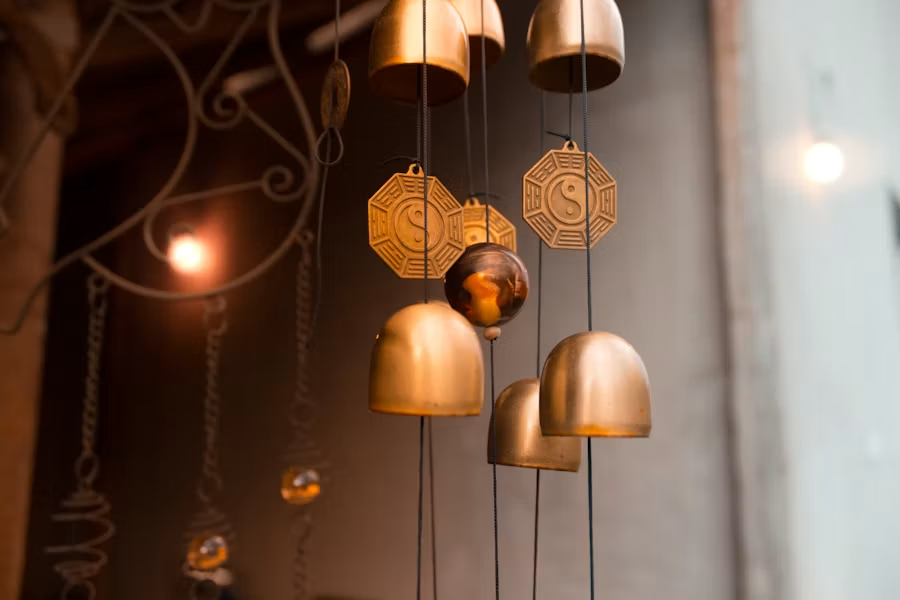
Image Credit: Unsplash
Symbolic Keepsakes for Comfort
A keepsake can offer comfort because it gives memories a physical home. The most meaningful object is often one that fits naturally into daily life. A mug printed with a family recipe may feel more personal than an ornate item that stays stored away.
Consider how the recipient lives before choosing or making something. A gardener may appreciate a labeled plant, engraved marker or small indoor planter. Someone who spends time reading could use a bookmark made from a copy of the loved one’s handwriting. Fabric from a shirt, scarf or blanket can become a small pillow, framed textile piece or patchwork square. If the original item is especially precious, scan or photograph it before altering it.
Digital keepsakes can be equally valuable. Create a shared folder with clearly labeled photographs, home videos and scanned letters. Keep a second copy on a separate drive or secure storage service so the collection isn’t tied to one device. Ask relatives to upload original files whenever possible, since screenshots and social media downloads may have lower image quality.
When selecting an object for another person, keep the gesture sensitive to their relationship and preferences. A close relative may welcome a highly personal item, while a coworker might appreciate a handwritten card and a small remembrance. These meaningful tribute ideas offer several options that can be adapted to different relationships.
Leave room for the keepsake’s meaning to change. An object that feels too emotional to display now may become comforting later. Store it safely and let the recipient decide when and how to use it.
Establishing New Family Traditions
A family tradition creates a recurring place for remembrance. Choose something simple enough to repeat without turning the date into an obligation. Cooking one favorite meal, visiting a beloved park or playing a familiar board game may hold more meaning than a complicated annual event.
Think about the person’s interests and the family’s normal routines. If they loved books, each relative could donate one book on their birthday and write a short dedication inside. If they cared about their neighborhood, the family might spend an afternoon cleaning a shared outdoor space or helping a local organization. Another option is to prepare their signature recipe and invite everyone to share one story before eating.
Traditions can also change as children grow and relatives move. A family that once gathered in person might later hold a 30-minute video call where everyone shares a photograph from the year. Flexibility helps the ritual remain comforting. If a tradition begins to feel draining, simplify it or pause for a year.
Anniversaries and holidays can carry strong emotions, so discuss plans ahead of time. Ask relatives what would feel supportive and give everyone permission to participate in their own way. The ideas in this article about spending time with family can help shape a gathering around connection, shared experiences and celebrating life together.
Write down the tradition’s origin for younger family members. A short note explaining why the family plants flowers each spring or serves a certain dessert makes the ritual easier to understand and continue. Over time, that explanation becomes part of the family story itself.
A tribute can begin with something as modest as labeling an old photograph or writing down a favorite saying before it slips from memory. What matters is that the choice sounds, looks or feels like the person being remembered. That familiar detail is often what family members return to when they want to feel close again.