
A Practical Guide to Keeping Your Car Looking New for Longer
Discover simple, effective tips to maintain your car's appearance, from building better washing habits to professional paint care and long-term protective solutions.

There is something genuinely satisfying about driving a car that still looks fresh, clean, and sharp years after you bought it. But for most people, that shine does not last as long as it should. Despite regular washing, the paint starts to fade, swirl marks appear, and that showroom glow slowly disappears.
Why Your Car's Paint Ages Faster Than You Think
Your car's exterior deals with a lot on a daily basis. Most of the damage is invisible until it has already set in.
The Everyday Elements Working Against Your Vehicle
UV rays are one of the biggest culprits. Prolonged sun exposure breaks down the clear coat on your car's surface, which leads to fading and a chalky, dull appearance over time. Add bird droppings, tree sap, road salt, and industrial dust into the mix, and your paint is fighting a constant battle.
What makes this worse is that most of these contaminants are acidic. If left sitting on your paint for too long, they start to etch into the surface. By the time you notice the damage, it has already gone deeper than a basic wash can fix.
How Daily Driving Quietly Takes a Toll
It is not just the environment. The way you drive and park makes a difference too. Gravel roads, tight car parks, and even automatic car washes with abrasive brushes all contribute to fine scratches and swirl marks. These are almost invisible on their own, but together they give your paint that tired, hazy look that no amount of washing seems to fix.
Building a Simple Washing Routine That Actually Works
You do not need to spend hours every weekend detailing your car. A consistent and straightforward routine is far more effective than the occasional deep clean.
Washing More Thoughtfully, Not More Often
Most people wash their cars less carefully than they think. Using the wrong cloth, the wrong soap, or washing in direct sunlight can do more harm than good. A pH-neutral car shampoo, two separate buckets (one for soap, one for rinsing), and a soft microfibre cloth go a long way in preventing scratches during the wash process.
Rinse the car thoroughly after washing and dry it with a clean microfibre towel rather than letting it air dry. Water droplets left to evaporate in the sun leave behind mineral deposits that dull the surface over time.
Dealing With Contaminants Before They Cause Damage
Bird droppings, tree sap, and insect residue should be removed as soon as you notice them. These are not just cosmetic nuisances. They actively break down your paint if left untreated. Keep a small spray detailer and a microfibre cloth in your car so you can deal with them on the spot without needing a full wash. Having the right automotive maintenance products on hand is essential for quick action.
Recognising When It Is Time to Call in a Professional
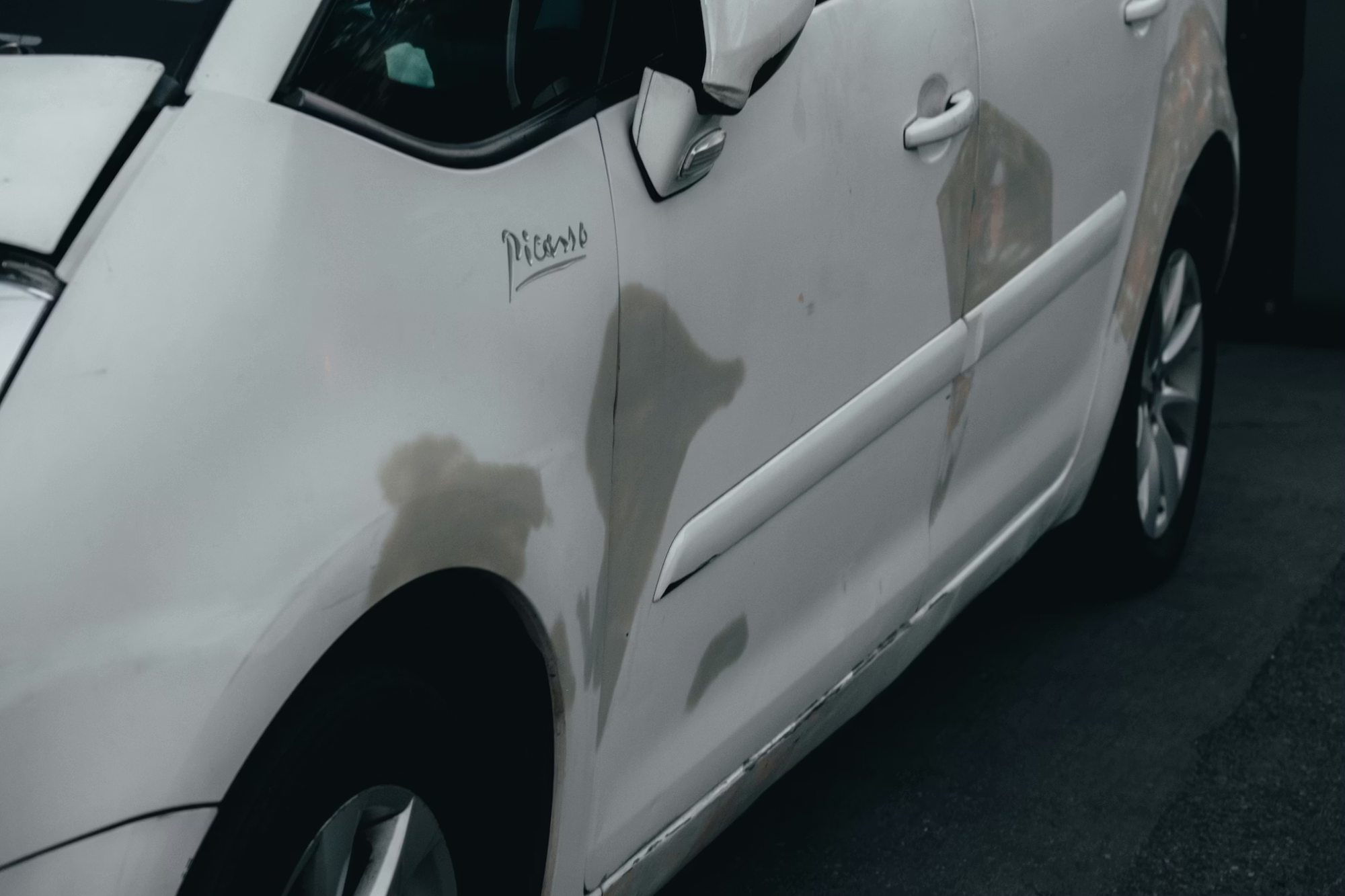
There comes a point where no amount of careful washing will bring back what your paint has lost. If you are noticing swirl marks, a dull finish, or sections of paint that have lost their depth and gloss, it is time to think about professional treatment.
What a Professional Surface Restoration Involves
Professional polishing is not the same as washing or waxing. It is a correction process. A technician uses machine polishers and professional-grade compounds to remove the thin layer of damaged clear coat, revealing the healthy, glossy paint underneath.
The results are genuinely impressive. Swirl marks disappear, faded sections come back to life, and the overall finish looks significantly sharper. For people who cannot take time out of their schedule to drop a car off at a shop, mobile car polishing is a practical option where trained professionals come directly to your home or workplace and complete the job on-site. It is the same quality of work without the inconvenience of rearranging your day.
Protecting Your Finish So the Results Actually Last
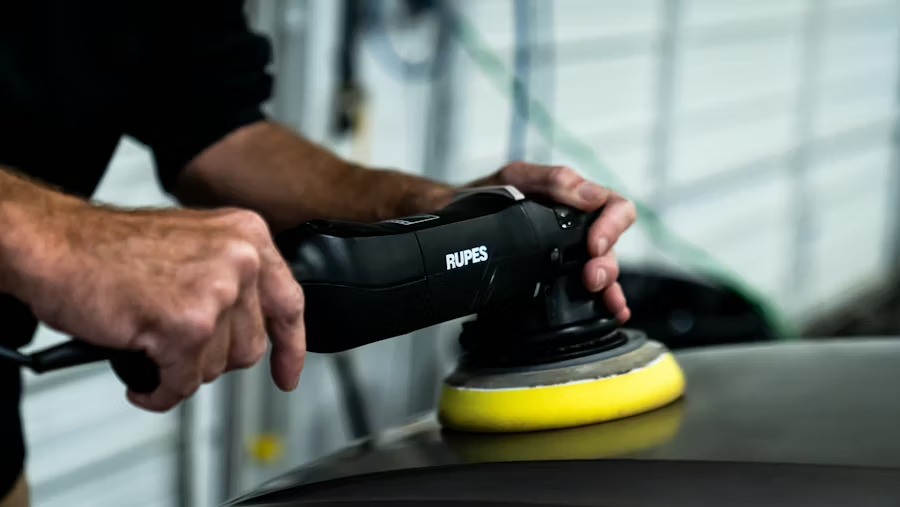
Getting a professional polish is satisfying. But if you do not follow it up with protection, you will find yourself back in the same position within a year. The right habits and a good protective treatment work together to preserve the results for as long as possible. Part of this commitment involves understanding your vehicle care needs from the outset.
Parking and Storage Habits That Make a Real Difference
Covered parking is one of the most underrated forms of paint protection. A garage or carport keeps your vehicle away from UV exposure, bird droppings, and overnight moisture. If covered parking is not available, a breathable, well-fitted car cover is worth the investment, especially if your car sits outdoors for long periods.
Try to avoid parking under trees when you can. Sap and falling debris are constant threats to paint, and they become much harder to remove once they have dried and bonded to the surface.
When a Long-Term Coating Makes More Sense Than Wax
Traditional wax sits on the surface of your paint and wears off within weeks. It offers basic shine but very little long-term protection. Advanced coatings work differently. They bond directly to the paint and create a durable protective layer that holds up against UV rays, water, and chemical contaminants.
For vehicle owners who want a professional-grade solution that genuinely holds up over time, quality car ceramic coating in Sydney is a strong example of what a properly applied protective coating looks like in practice. The hydrophobic properties mean water beads and rolls off the surface, keeping your car cleaner for longer and making regular maintenance far easier. Applied after a professional polish, it locks in the restored finish and protects it from the elements going forward.
Conclusion
Keeping your car looking new is not about spending a fortune. It is about being consistent and knowing what actually works. Start with a smart washing routine, deal with contaminants quickly, and do not ignore the signs that your paint needs professional attention. A professional surface treatment when needed, followed by a quality protective coating, will keep your vehicle looking sharp for years to come.
The cars that age well are rarely the ones that get lucky. They are the ones that get looked after.
Frequently Asked Questions
How long does a professional coating typically last on a vehicle?
It depends on the type of coating and how well the vehicle is maintained afterwards. Most professional coatings last between two and five years under normal driving conditions. Washing regularly with appropriate products and avoiding harsh chemicals helps extend the life of the coating significantly.
Can older or used vehicles benefit from paint protection?
Absolutely. Paint protection is not just for new cars. An older vehicle that goes through a proper polishing and coating process can look significantly better and hold its resale value more effectively. It is especially worth considering if you are planning to sell the car within the next couple of years, and if you are weighing your options, checking out the latest new car reviews and auto buying tips can help you make a more informed decision about whether to sell, trade in, or hold onto your current vehicle.
Is professional polishing safe for all types of car paint?
Yes, when carried out by a trained professional. A good technician will assess your paint type, condition, and thickness before choosing the right products and technique. This ensures the process restores your paint rather than causing any unintended damage to the surface.
How do I know when my car needs professional attention again?
A few visual cues tell you it is time. If water is no longer beading off your paint after a wash, if swirl marks are clearly visible in direct sunlight, or if sections of your car look noticeably duller than others, those are reliable signs that the surface needs professional care again.


