The Ultimate Guide to Planning a Wedding in Ocean City
Plan an Ocean City, Maryland wedding with tips on seasons, venues, vendors, beach logistics, guest lodging, weather backups, and marriage paperwork.

Ocean City draws more than eight million visitors a year, and a growing number of them are coming specifically to get married. Between the beach ceremonies, boardwalk receptions, and oceanfront hotels with built-in event spaces, this Maryland resort town has quietly become one of the mid-Atlantic's most practical wedding destinations. Planning one here, though, means working around a tourist season, a boardwalk crowd, and weather that can shift fast off the Atlantic.
Choosing the Right Season for Your Ocean City Wedding
Peak season in Ocean City runs from Memorial Day through Labor Day, and that's exactly when hotel rates, venue fees, and vendor costs climb the highest. Late May and early June, along with September and early October, tend to offer a better balance: warm enough for a beach ceremony, but without the full summer crowds clogging Coastal Highway.
October weddings have become especially popular because the water is still swimmable, the town empties out noticeably after Labor Day, and photographers get softer light for sunset shots. Winter weddings are rare but not impossible, and venues often cut rates by 30 to 40 percent between November and March for couples willing to move the ceremony indoors.
Picking a Venue That Matches Your Vision
Ocean City's venue options split roughly into three categories: oceanfront hotels with dedicated event space, private estates and inns further inland, and public beach permits for a bare-bones ceremony on the sand. Each comes with a different cost structure and a different amount of logistical work.
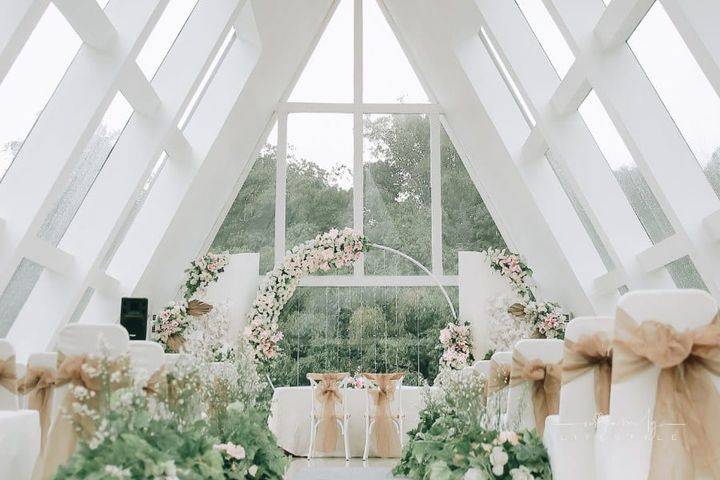
Oceanfront hotels tend to be the easiest route for couples who want ceremony, reception, and guest lodging handled by one property. Several properties along the boardwalk and north of it have made this their specialty, with packages that bundle catering, a dance floor, and a block of guest rooms into a single contract. Among the wedding venues in Ocean City MD worth touring early in the planning process are those that combine oceanfront views with indoor backup space, since that flexibility matters more here than in most other beach towns.
Private estates in nearby Berlin or Bishopville offer more rustic, garden-style settings for couples who want greenery instead of sand, usually at a lower per-head cost but with the added work of bringing in outside caterers and rental companies.
Booking Vendors Early (And What to Expect)
Ocean City has a smaller vendor pool than major metro areas, which means photographers, florists, and DJs who specialize in weddings book out six to twelve months ahead for summer dates. Caterers connected to specific venues are often required rather than optional, so confirm this before falling in love with a menu from an outside company.
Local vendor directories through the Ocean City Chamber of Commerce and Maryland wedding associations are a reliable starting point, since they list businesses that routinely work within the town's noise ordinances and beach permit rules. Ask any vendor directly how many other weddings they're handling that same weekend, since double-booking during peak season is common.
Planning Around the Boardwalk and Beach Logistics
A beach ceremony sounds simple until the permit paperwork shows up. Ocean City requires a Special Event Permit for any wedding on public beach property, available through the town's Recreation and Parks Department, and applications should go in at least 60 days before the date. Permits restrict ceremony size, amplified sound, and setup times, particularly between 10th and 27th Streets where beach traffic is heaviest.
Tents, chairs, and arches brought onto the sand need to be removed within a set window after the ceremony ends, since the beach reopens to the public immediately after. Couples who want more control over timing and setup often choose a private beach easement attached to a hotel property instead, which avoids the permit process entirely.
Accommodations for Out-of-Town Guests
Ocean City has more than 10,000 hotel rooms and thousands of additional condo rentals, so availability isn't usually the problem — pricing during peak summer weekends is. Booking a room block at least nine months out locks in group rates before July and August rates spike.
Condo rentals through companies like Holiday Real Estate or Long & Foster work well for extended families who want a kitchen and multiple bedrooms rather than a single hotel room, and many require a Saturday-to-Saturday rental during summer months, which can complicate a Friday wedding date.
Weather Contingency Planning
Afternoon thunderstorms are common in July and August, and hurricane season technically runs June through November, even though direct hits on Ocean City are rare. Any venue contract for an outdoor ceremony should specify exactly what happens if weather forces a move indoors, including who covers the cost of relocating a tent or rearranging a ballroom with only a few hours' notice.
Wind is a bigger everyday concern than rain for beach ceremonies, since gusts off the ocean can interfere with arches, florals, and sound equipment even on a clear day. A simple backup plan — even just a covered pavilion a short walk from the sand — avoids a last-minute scramble.
Marriage License and Legal Requirements in Maryland
Maryland requires couples to apply for a marriage license in person at the Clerk of the Circuit Court, and Worcester County's office in Snow Hill handles licenses for Ocean City. There's a mandatory 48-hour waiting period between application and ceremony, and the license expires six months after issue, so timing the application matters if the wedding date falls close to a long trip or move.
No blood test or residency requirement applies, and out-of-state couples can apply using the same process as Maryland residents. Bringing a valid photo ID and, if previously married, documentation of divorce or widowhood, keeps the appointment short.
The towns and venues along this stretch of coast have been hosting weddings for decades, which means most of the logistical kinks — permits, vendor rules, backup plans for weather — already have established answers if you ask early enough. Start with the venue and the legal paperwork, since both involve deadlines outside your control, and build the rest of the timeline backward from there.