

Health science is a dynamic field that forms the backbone of the healthcare industry, encompassing a wide range of disciplines dedicated to improving health and well-being.
For students embarking on a career in health science, possessing a robust foundational knowledge is crucial.
This knowledge not only supports professional growth and innovation but is also essential for making informed decisions that significantly impact patient care.
In this article, we explore key areas of knowledge that every health science student should master, from understanding basic human biology to grasping the complexities of ethical medical practices.

Understanding Basic Human Anatomy and Physiology
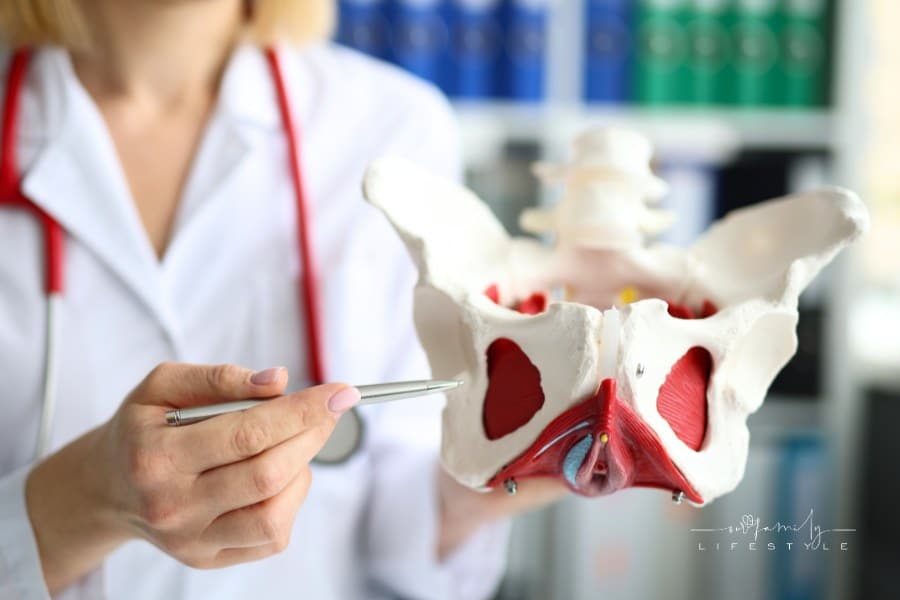
A thorough understanding of human anatomy and physiology is fundamental for anyone pursuing a career in health science.
This knowledge provides the basis for all medical practices, from diagnosing diseases to administering treatments.
Students must comprehend the intricate workings of the human body, including how organs function, how bodily systems interact, and how disruptions in these systems can lead to disease.
Mastery of anatomy and physiology not only aids in accurate disease diagnosis but also enhances the ability to develop effective treatment plans tailored to individual patients.
Exploring Advanced Education Options
Continuing education plays a pivotal role in the field of health science, offering professionals the opportunity to specialize and stay abreast of the latest advancements.
Pursuing an online Masters degree in Health Science is one option that provides flexibility and depth, allowing students to focus on specific areas such as healthcare administration, public health, or clinical research.
These programs typically offer comprehensive courses that deepen theoretical knowledge and practical skills, preparing graduates for leadership roles within the healthcare sector.
An online master's degree can be particularly advantageous for working professionals seeking to advance their careers without disrupting their current job responsibilities.
The Importance of Evidence-Based Practice
Evidence-based practice is a critical concept in health science, ensuring that clinical decisions are made on the basis of solid research and proven outcomes rather than anecdotal evidence or untested theories.
This approach involves integrating individual clinical expertise with the best available external clinical evidence from systematic research.
By focusing on evidence-based practices, health science students learn to provide care that is scientifically justified, improving patient outcomes and optimizing the use of healthcare resources.
Ethical Considerations in Healthcare
Ethics lie at the heart of health science, governing the conduct of healthcare professionals and ensuring the dignity, rights, and safety of patients are protected.
Students must familiarize themselves with the core ethical principles of healthcare, including autonomy, beneficence, non-maleficence, and justice.
Understanding these principles helps future health professionals navigate complex moral issues they will encounter in practice, such as end-of-life care, confidentiality breaches, and consent.
Ethical competence is not only a regulatory requirement but is essential for maintaining public trust and integrity in the healthcare system.
Technological Innovations in Health Science
Technology is rapidly transforming healthcare, and familiarity with the latest technological innovations is indispensable for health science students.
From electronic health records and telemedicine to advanced imaging and robotic surgery, technology is enhancing the efficiency and accuracy of medical diagnostics and treatments.
Students should be adept at utilizing these technologies, understanding their applications, and staying informed about emerging trends.
This knowledge ensures that future professionals can effectively integrate new tools into their practice, leading to improved patient care and health outcomes.
Interprofessional Collaboration
The ability to collaborate across various disciplines within healthcare is critical for effective patient care.
Health science students should learn the importance of interprofessional collaboration, which involves communicating and cooperating with a team of healthcare professionals from different specialties.
This teamwork enhances patient outcomes by combining the diverse expertise of each team member, from doctors and nurses to therapists and pharmacists.
Understanding each role and how they interconnect allows health science students to contribute effectively to comprehensive patient care and treatment planning.
Research Methods and Critical Analysis
A strong grasp of research methods and the ability to critically analyze data are essential skills for any health science professional.
Students should become proficient in designing studies, collecting data, and employing statistical analysis to interpret results.
These skills are crucial for understanding and conducting scientific research, which forms the basis for evidence-based practice.
Being able to assess the validity and reliability of research findings and apply them appropriately in clinical settings is vital for advancing patient care and treatment methodologies.
Global Health Issues
Health science students must also be aware of global health issues that transcend national borders, such as infectious diseases, environmental health risks, and public health emergencies.
Understanding global health allows students to appreciate the interconnectedness of health systems worldwide and the global implications of health policies and practices.
This awareness is crucial for developing strategies to address health disparities and improve health outcomes on a global scale.
Healthcare Policy and Administration
Knowledge of healthcare policy and administration is also essential for health science students.
This includes understanding how health policies are formulated and the impact they have on the delivery of healthcare services.
Students should learn about the complexities of healthcare systems, including issues related to access to care, quality of care, and cost management.
Familiarity with these aspects prepares students to navigate the healthcare landscape effectively, advocate for policy changes, and contribute to the improvement of healthcare systems.
Community Engagement and Resources
Finally, engaging with the community and understanding the resources available at the local level can significantly enhance the practical skills of health science students.
Community engagement helps students gain insights into the specific health needs and challenges of different populations.
It also provides opportunities for hands-on experience through community health screenings, educational programs, and public health initiatives.
By interacting with the community, students can apply their knowledge in real-world settings and make meaningful contributions to public health.
In conclusion, a comprehensive education in health science equips students with a broad array of skills and knowledge that are crucial for their future roles in healthcare.
From understanding the importance of interprofessional collaboration and research to engaging with global health issues and healthcare policy, each element builds a foundation for effective and compassionate healthcare professionals.
By embracing these educational opportunities, health science students prepare themselves not only to meet the challenges of their future careers but also to impact positively the health and well-being of individuals and communities they will serve.