Graduation Keepsakes: A Parent’s Guide to Using a Diploma Maker
Celebrate your graduate with photo stories, memory boxes, letters, and diploma-style keepsakes. Learn how to personalize a display copy and protect the originals.
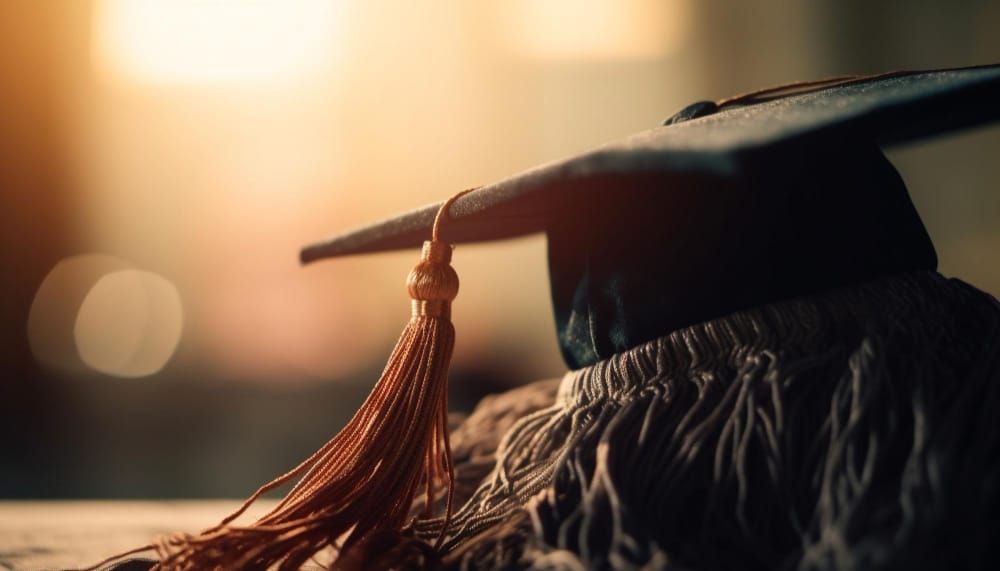
The ceremony is over, the cap is on the kitchen counter, and a stack of programs, cards, and photos is waiting for a decision.
If you're the parent sorting that pile, start with one keepsake that captures something specific about your graduate's school years.
A photo story, memory box, collection of letters, or commemorative certificate can be made at home. A non-official diploma-style display copy is another option, with a few details to check before ordering.
Key takeaways
- Choose one format and add personal details through captions, notes, or letters.
- A diploma-style display copy is decorative and cannot serve as proof of graduation.
- Display copies and store originals to protect papers and photographs from light.
Graduation keepsake ideas that tell their story
Start with a memory your graduate will recognize. A caption about a school project or a handwritten note about graduation day gives familiar objects context. Each format below leaves room for those details.
Photo story. Pair an early school photo, such as the first day of kindergarten, with a graduation portrait and write a short caption under each. Shutterfly's keepsake guidance notes that short captions help preserve the stories behind images.
Include details you might otherwise forget, whether you're making a small photo book or filling a two-photo frame. A frame with a removable backing lets you swap in later milestones.
If you’re hosting a graduation party, a simple DIY photo booth can give you candid shots of friends and family to add alongside the portraits.
Memory box. Gather the tassel, ceremony program, and other meaningful items in a box. Add a note in your handwriting explaining why you chose each piece. Leave room rather than packing everything tightly; the National Archives advises against overstuffing a box.
You don't need to save every program or card in the same place. Choose the pieces that connect to the memories you want to record.
Letters worth keeping. Ask relatives, coaches, or family friends to write a short letter naming a specific memory: a game, a project, or a hard semester. Collect the letters in a folder or bound journal. Asking for one memory gives each writer a starting point and helps keep the letters personal.
Commemorative certificate. If you want something that looks like an award, design it yourself. Canva offers free certificate templates, and Adobe Express provides a free starting route on desktop or mobile.
Write your own wording, such as “In recognition of early mornings,” and label it a family keepsake. A homemade certificate isn't an academic credential and doesn't need to resemble one.
Create a diploma-style keepsake for display
Use a diploma-style keepsake for decoration only. A commemorative display copy, whether you make it or buy it, doesn't confer a degree or prove graduation.
If you need an official record, contact the issuing school or its authorized records office. Each school controls its own procedures.
Stanford, for example, distinguishes its replacement process from issuing duplicate diplomas, so check your school's policy before requesting a replacement.
Choose the route. A DIY certificate gives you an original celebratory design. If you prefer a diploma-style look, the Diploma maker collection at Hey Congrats offers personalized, non-official display copies. Its stock-style products use ready-made layouts, while its high-school
Match product accepts a customer-provided document reference to guide the layout and details.
Supplying a reference doesn't establish that the result will be an exact reproduction. Choose based on the appearance you want for the keepsake, with the understanding that it remains a non-official item.
Prepare the details. Before you design or order, write down what the piece should say and check each line: the graduate's name as they want it spelled, the graduation date, the award wording, and the finished dimensions.
Measure the frame opening you plan to use. If you upload a reference, remove private information that serves no purpose on a wall, such as student ID numbers.
Check the preview options. Review the details you've entered before submitting an order. Designer proof review is a separate step.
Hey Congrats lists a designer proof as a paid add-on on eligible printed products, so don't assume it's included with every item. Check whether your chosen product offers it and decide whether to add it before checkout.
Confirm the finished format. Delivery choices depend on the product. The USA stock-design college product, for instance, offers digital, printed, or combined delivery. Check your chosen product rather than assuming every item offers each format.
As of October 29, 2026, stock-design high school diplomas were listed from $69.00 USD. That was a catalog starting price, not a checkout total. The vendor's published policy also excludes shipping printed orders to addresses in Oregon or Connecticut.
Protect the memories without risking the originals
The original diploma, portrait prints, and handwritten notes need care while you assemble the keepsake and after it's finished. The National Archives' guidance for family papers provides a practical starting point.
Display a copy. The National Archives recommends displaying copies and keeping originals in a box to protect them from light. An ordinary scan or photocopy of the diploma can serve that purpose.
A personalized display copy from Hey Congrats offers a diploma-style option for the wall while the school-issued original stays in storage. A homemade commemorative certificate can also sit alongside photos and other graduation mementos.
Mount gently. The safest way to mount photographs and papers is without glue or adhesive, according to the same guidance.
Photo corners or slip-in sleeves can hold items without attaching adhesive directly to them, and acid-free folders or boxes can hold loose papers. Work on a clean table, and keep food, drinks, and smoke away from originals while you assemble the keepsake.
Keep the originals and files. Scanning the diploma or portrait can make future reprints easier, but keep the originals afterward. The National Archives notes that digital files have their own preservation risks and can be lost. Save a second copy of each scan somewhere separate from the first, and keep the original papers and photographs in their storage box.