Functional Training: A Practical Guide to Building Everyday Strength
Learn how functional training builds everyday strength with simple movement patterns, home exercises, and practical workouts that fit into a busy schedule.

Between school pickups, work, and dinner, a trip to the gym can feel like one errand too many. Building everyday strength, however, does not require much space or equipment.
You can start with a few minutes of observing how you move, followed by simple exercises using a chair, open floor space, and an adjustable weight. Check with a healthcare professional before starting a new routine, especially if you have pain or an ongoing health condition.
What functional training means at home
Cleveland Clinic describes functional strength training as practicing movements that reflect everyday tasks, including sitting, standing, carrying, and rotating. UCLA Health notes that this type of training can be done almost anywhere, often without special equipment. That makes it practical when your workout space is the rug between the couch and coffee table.
Most everyday strength relies on six movement patterns:
- Squat, such as sitting down and standing back up
- Hinge, such as picking something up from the floor
- Push, such as moving a door, stroller, or shopping cart
- Pull, such as opening a heavy drawer or moving a bag
- Carry, such as holding groceries or a laundry basket
- Rotate, such as reaching across your body
Practice these patterns across the week, and you will cover much of what daily life requires. The CDC recommends that adults get at least 150 minutes of moderate aerobic activity each week, along with muscle-strengthening activity on two or more days.
Walks and bike rides can contribute to the aerobic goal, while two short strength sessions address the second part. If consistency is difficult, simple home workout tips such as scheduling a fixed time and preparing equipment in advance can help. An adjustable water-filled bag is one option when you are ready to add resistance.
A quick self-check based on screening ideas
Some coaches use the Functional Movement Screen, commonly shortened to FMS. It includes seven movements scored from 0 to 3 and is intended for people who are not currently in pain.
Pain during a movement results in a score of 0, which signals that the person should stop and consult a qualified professional rather than push through. Three patterns also include basic pass-or-fail clearing tests.
You do not need to score yourself as a trained rater would. Instead, use the movements to observe your control and comfort. For a fuller explanation of the seven tests and their scoring, Theia Markerless published an overview of the screen that presents the process in plain language.
A screen is not a diagnosis. If you already have pain, seek an appropriate clinical assessment. Results can also vary with the rater and testing conditions.
A total score of 14 or below is sometimes cited as a marker of higher injury risk, but the Theia Markerless explainer cautions against treating one score as a reliable forecast of injury.
For a basic home check, place your phone on a stable surface and record one movement at a time from the front or side. Use a broomstick for overhead reaches if needed.
Look for clear changes such as heels lifting during a squat, knees moving inward, hips shifting to one side, or a shoulder rising early. Do not force a deeper position to make the movement look better.
Water-filled bag basics for small spaces
A water-filled training bag is a sealed bag or tube that you partly fill with water before lifting, carrying, or pressing it. The water shifts as the bag moves, requiring your grip, trunk, and shoulders to adjust. This creates a different challenge from a fixed dumbbell and can resemble carrying an unevenly loaded laundry basket.
The main advantages at home are storage and adjustability. An empty bag can be folded away, while a filled bag can provide resistance without a rack of weights.
An aqua bag lets you add or remove water to match the exercise and your current ability. Fluid X, for example, names its models by maximum fill capacity in kilograms. The range runs from the DB5 up to the Tank 20, which supports up to 20 kilograms, or about 44 pounds, and any model can be part-filled for a lighter load.
Choose a starting fill and set up safely
Start lighter than you think you need. A partly filled bag can feel unpredictable because the water has room to move.
A fuller bag is heavier but may slosh less, so both weight and fill level affect the challenge. Place the filled bag on a bathroom scale to confirm its weight. Tighten all caps, clear several feet of floor space, and keep the surface dry before exercising.
A simple 20-minute session
Warm up for three or four minutes with easy marching, arm circles, and several slow hip hinges.
Spend the next four or five minutes practicing one movement pattern with control. Sit-to-stands and wall push-ups are useful options. Move smoothly and stop before your form begins to change.
For the main set, perform the following three exercises for 30 seconds each, followed by 30 seconds of rest. Complete three rounds for a total of about nine minutes:
- Front-loaded squat to a chair, or a bodyweight squat if you do not have a bag
- Suitcase carry around the room, switching hands each round; a loaded grocery bag also works
- Hip hinge to mid-shin with a neutral back and softly bent knees
Finish with two or three minutes of relaxed breathing and gentle stretches for your hips and shoulders.
Safety and steady progress
Stop any movement that causes pain, numbness, dizziness or unusual shortness of breath. Check with a healthcare professional before starting or changing your routine if you have an injury or health condition.
Two or three nonconsecutive strength days per week are enough at first and align with the CDC's recommendation for at least two weekly strengthening sessions. With a Fluid X bag or another water-filled tool, increase the load in small steps rather than jumping to the maximum fill.
Add weight only when you can complete each repetition without rushing, holding your breath, or losing control of the bag. Theia Markerless makes a related point about movement screens: they can guide training decisions, but they do not replace evaluation by a qualified clinician.
If you want a plain-language refresher on the seven tests and scoring, this functional movement screen overview can provide context, but it is not a diagnosis.
Small steps and simple tools
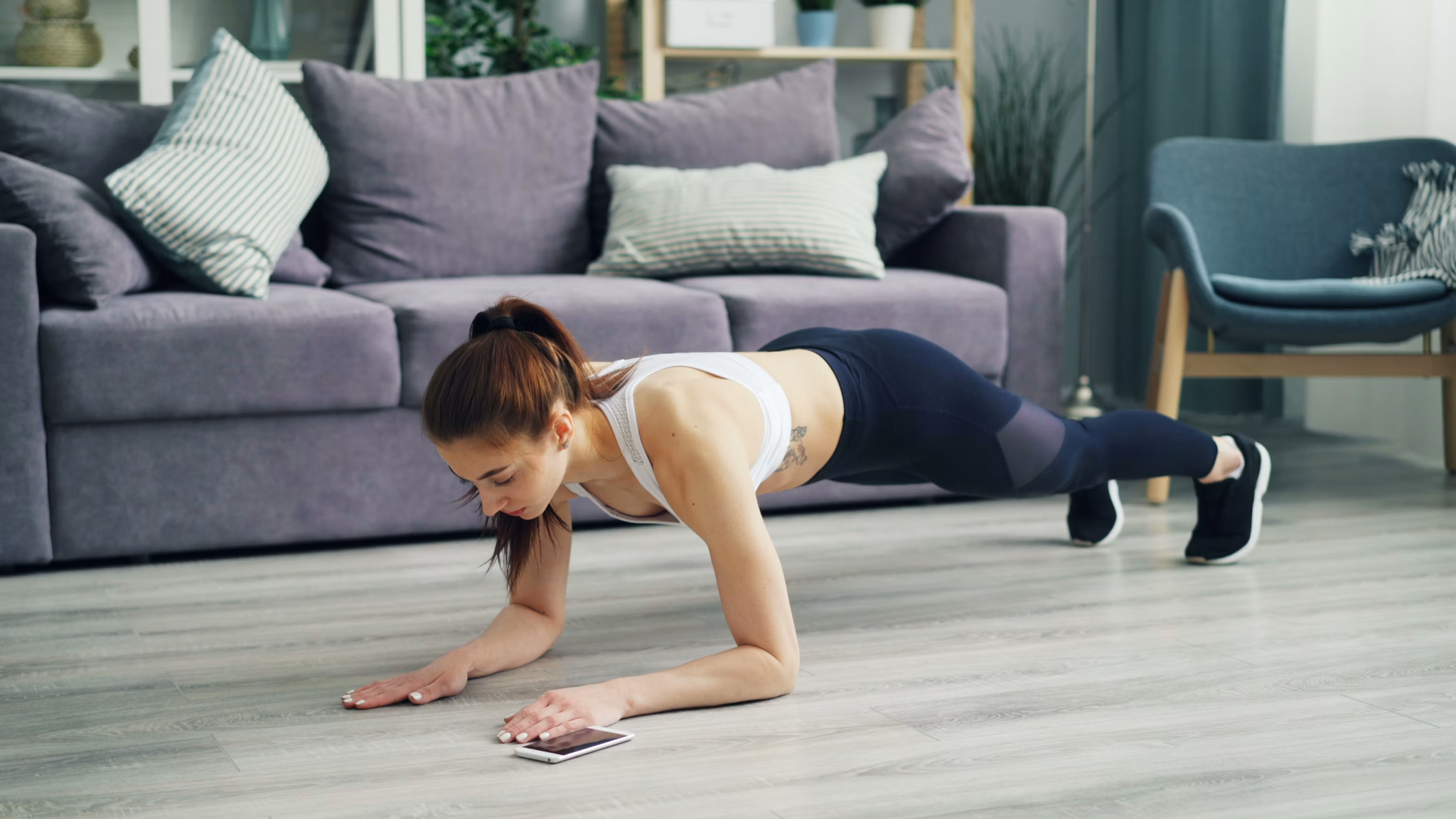
You do not need a garage gym to improve everyday movement. A phone camera, broomstick, sturdy chair, and adjustable tool can cover a wide range of exercises.
Observe how you move, choose one skill to practice, and keep sessions short enough to fit your schedule. Consistent practice matters more than a complicated routine.
Frequently asked questions
Do I need to score myself the way a trained rater would?
No. Formal scoring is meant for practitioners who have been trained in the protocol, and two trained raters can still score the same person differently.
At home, the value is in the observation rather than the number. Watch for heels lifting, knees drifting inward or a hip shifting to one side, then pick one pattern to practice.
Does a score of 14 or below mean I am going to get hurt?
No. That threshold is commonly cited as a marker of possibly higher injury risk, but it is not a prediction for any individual.
A screen shows that a pattern is difficult without explaining why. If something hurts or feels unstable, a qualified clinician is the right next step.
How much water should I put in a bag to start?
Less than you expect. A partly filled bag moves more, so a lighter fill can actually feel harder to control than a fuller one.
Fill a small amount, weigh the bag on a bathroom scale, and try a few slow repetitions. Add water only when every repetition stays smooth and controlled.
Can I do this without buying any equipment?
Yes. Sit-to-stands, wall push-ups, hip hinges, and carries with a loaded grocery bag cover most of the six patterns.
A broomstick works for overhead reaches, and a sturdy chair works for squat depth. Adjustable resistance is useful later, not on day one.
How many sessions per week are enough?
Two or three nonconsecutive strength days are a reasonable starting point, and that matches the CDC guidance of muscle-strengthening activity on at least two days per week.
Short sessions you actually repeat will do more than long sessions you skip. Twenty focused minutes count.
Is a water-filled bag better than dumbbells?
They do different jobs. A fixed dumbbell gives you a stable, predictable load, which suits straightforward strength work.
A water-filled bag shifts as you move, so your grip, trunk, and shoulders have to react. That instability is the point, and it is closer to carrying a squirming toddler or an unevenly packed laundry basket.