
The Everyday Habits That Keep a Work Vehicle Running Smoothly
Discover the practical daily habits every tradesperson needs to keep their work vehicle reliable, road-ready, and performing at its best every single day.

If your work vehicle lets you down, your whole day falls apart. It is not just about getting from point A to B. For most tradespeople and working professionals, the ute or van is basically a moving office, a storage unit, and a lifeline all rolled into one. When it works well, you barely notice it. When it does not, you feel it straight away.
The good news is that most vehicle problems do not just appear overnight. They build up slowly, and they can be prevented with a few consistent daily habits. None of these habits require a lot of time or mechanical knowledge. They just need a little attention and discipline.

Source: https://unsplash.com/photos/man-working-on-laptop-inside-a-car-gBtplDUad4U
Start Every Morning With a Quick Walk-Around
Before you back out of the driveway, give your vehicle a once-over. It takes about two minutes and can save you a massive headache later in the day.
What to Check on the Outside
Look at the tyres for any obvious flattening or damage. Check that the tray or canopy latches are properly secured. Give the lights a quick glance too. It sounds basic, but you would be surprised how many issues get caught this way before they turn into a breakdown on a busy road.
A Brief Look Under the Bonnet
Once a week, lift the bonnet and check your oil level, coolant, and wiper fluid. If anything looks low or smells off, deal with it before the day starts rather than halfway through a job.
Keep Your Tools Organised and Secured
Source: https://unsplash.com/photos/hand-using-screwdriver-to-fix-car-bumper-WsEnUQBLPxc
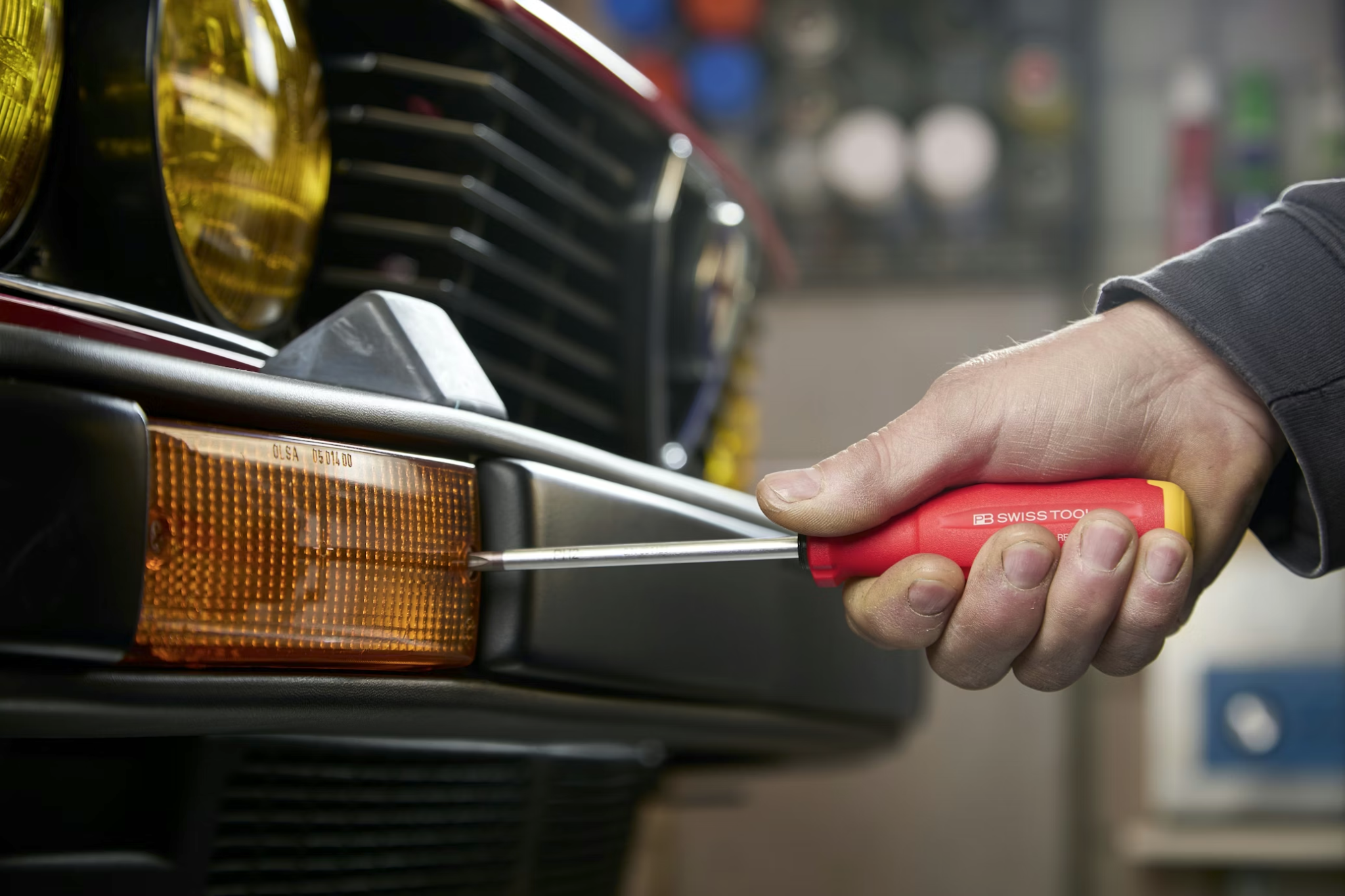
A messy tray is more than just frustrating. It slows you down on the job, puts your tools at risk of damage, and can be a genuine safety issue if things shift while you are driving at speed.
Match Your Storage Setup to Your Work
Think about what you reach for most during a typical day. If you are constantly digging through the tray to find the right tool, your storage is not working for you. Investing in a quality top opening toolbox is one of the smartest upgrades a tradie can make. The top-access design means you can see everything laid out in front of you and grab what you need without unloading the whole tray. Look for something made from durable aluminium with solid locking mechanisms so your gear stays secure overnight and on the road.
Load the Same Way Every Time
Once you have good storage in place, build a loading routine around it. Put tools back in the same spot after every job. It sounds simple, but this one habit alone saves a lot of time, reduces the chance of losing equipment, and keeps the load balanced evenly across the vehicle.
Look After the Mechanicals Before They Let You Down
This is the area most people let slide because the vehicle seems to be running fine. But "seems fine" and "is fine" are two very different things for a work vehicle doing serious kilometres every week. Ignoring mechanical maintenance is how you end up facing unexpected breakdowns that derail your whole day.
Engine and Fluid Checks Should Follow a Schedule
Do not wait until something starts making a noise to check your engine oil or brake fluid. Set a reminder on your phone every six to eight weeks to run through the basics. Keep a simple log in the glovebox noting the date and what was checked or topped up. It takes five minutes and gives you genuine peace of mind.
Do Not Ignore Your Suspension, Brakes, or Battery
These are some of the most overlooked components on a work vehicle. Brakes wear down gradually, so by the time you notice a change in stopping distance, they are already overdue. Batteries tend to give out at the worst possible time, usually on cold mornings or after a heavy week of use. Your suspension system also takes a hammering when you are carrying heavy loads daily, so have it inspected regularly to make sure it is still performing as it should. When components need replacement parts, sourcing them correctly ensures your vehicle stays roadworthy without compromising quality. Have all three checked every few months, especially if the vehicle is working hard day in and day out.
Give Your Tyres the Attention They Deserve
Tyres are the one part of your vehicle that is always in contact with the road. Every kilometre, every heavy load, and every sharp corner puts pressure on them. Yet most drivers only think about their tyres when something visibly goes wrong.
Check Pressure and Tread as Part of Your Weekly Routine
Source: https://unsplash.com/photos/gray-5-spoke-wheel-with-tire-byVi7ux5uKc
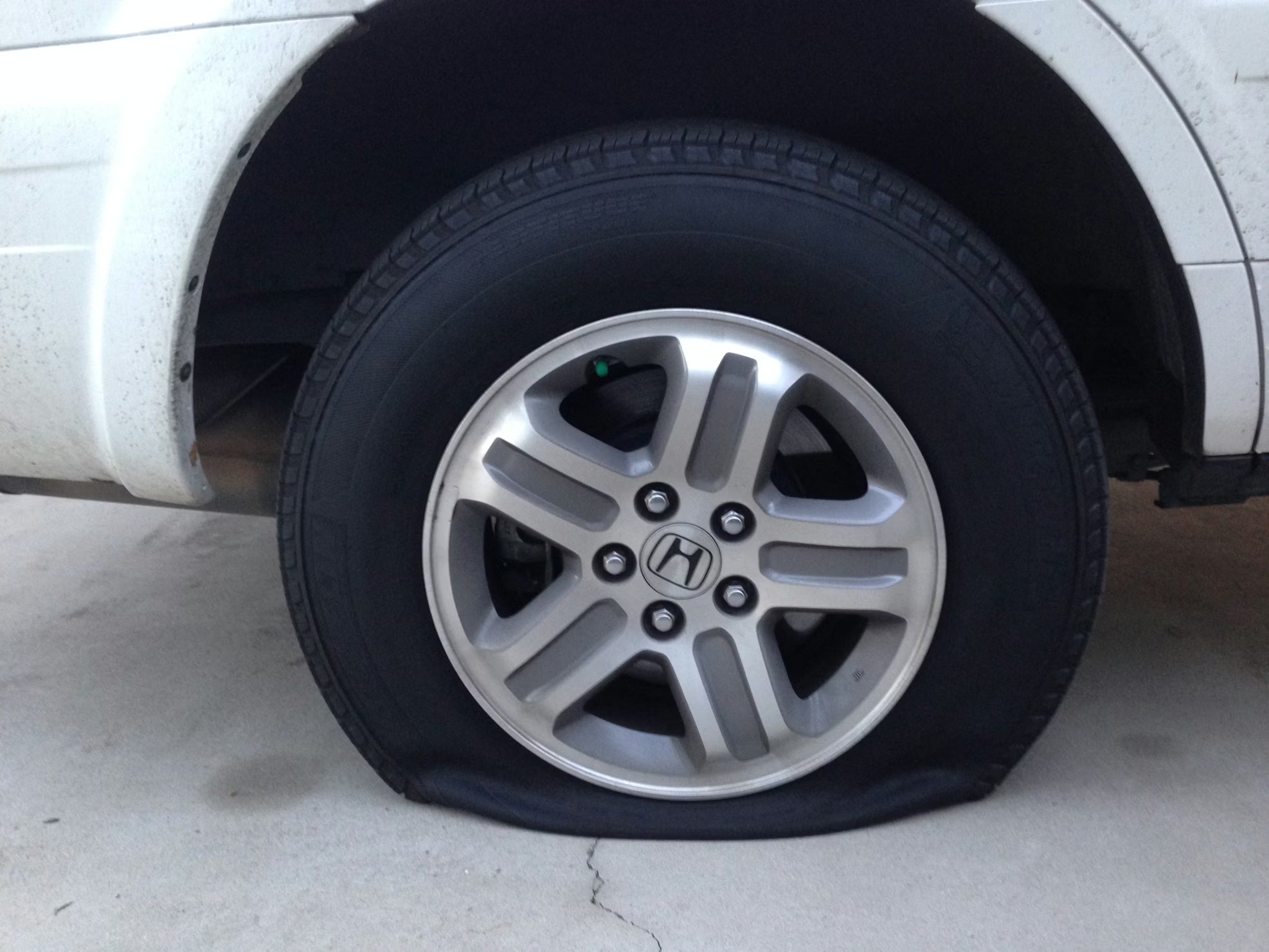
Under-inflated tyres wear unevenly, increase your fuel costs, and make the vehicle harder to handle, particularly when you are carrying a heavy load. A quick pressure check once a week costs nothing and makes a real difference over time. While you are at it, run your hand across the tread to check for uneven wear or anything embedded in the rubber.
Get Professional Help When a Puncture Happens
Many tradespeople try to manage a slow leak with a temporary repair kit and keep going. The problem is that a temporary fix does not tell you whether the tyre structure is compromised or whether the rim has taken any damage. For drivers in Victoria, using a professional puncture repair Melbourne service means the tyre gets a proper assessment, not just a patch. A qualified technician can tell you whether the repair is safe long-term or whether a replacement is the smarter decision. Getting it handled correctly the first time is almost always cheaper than dealing with a blowout or a damaged rim down the track.
Wind Down Properly at the End of the Day
The end of the shift matters just as much as the start. Before calling it a day, unload any equipment you do not need overnight. Extra weight sitting on the tray puts unnecessary stress on your suspension over time. Wipe down tools before storing them to prevent rust, and make a quick note of anything you noticed during the day that needs attention before the next job.
Conclusion
Keeping a work vehicle in great shape is not about spending a lot of money or having mechanical expertise. It is about showing up with small, consistent habits that protect your investment and keep your day running without interruption. A quick morning check, organised tool storage, regular mechanical attention, and proper tyre care add up to a vehicle that rarely catches you off guard. Pick one habit to start with this week and build from there.
FAQs
How often should I service my work vehicle?
For most work vehicles under regular heavy use, a full service every six months or at the manufacturer's recommended kilometre interval is a solid general rule. Always check your vehicle manual for specific guidance.
Is it safe to keep driving on a slow puncture?
No. A slow puncture can worsen quickly under load and at speed. It is always best to have it assessed by a professional as soon as you notice any drop in pressure or change in handling.
What should I look for when buying a toolbox for my ute?
Focus on material quality, lid access style, locking mechanism strength, and the right size for your tray. Aluminium is a popular choice for work vehicles because of its durability and resistance to rust and corrosion.
How can I reduce long-term wear on my work vehicle?
Consistent tyre pressure checks, regular fluid changes, balanced loading across the tray, and addressing small issues early are the most effective ways to extend the life of your vehicle and keep repair costs manageable.


