
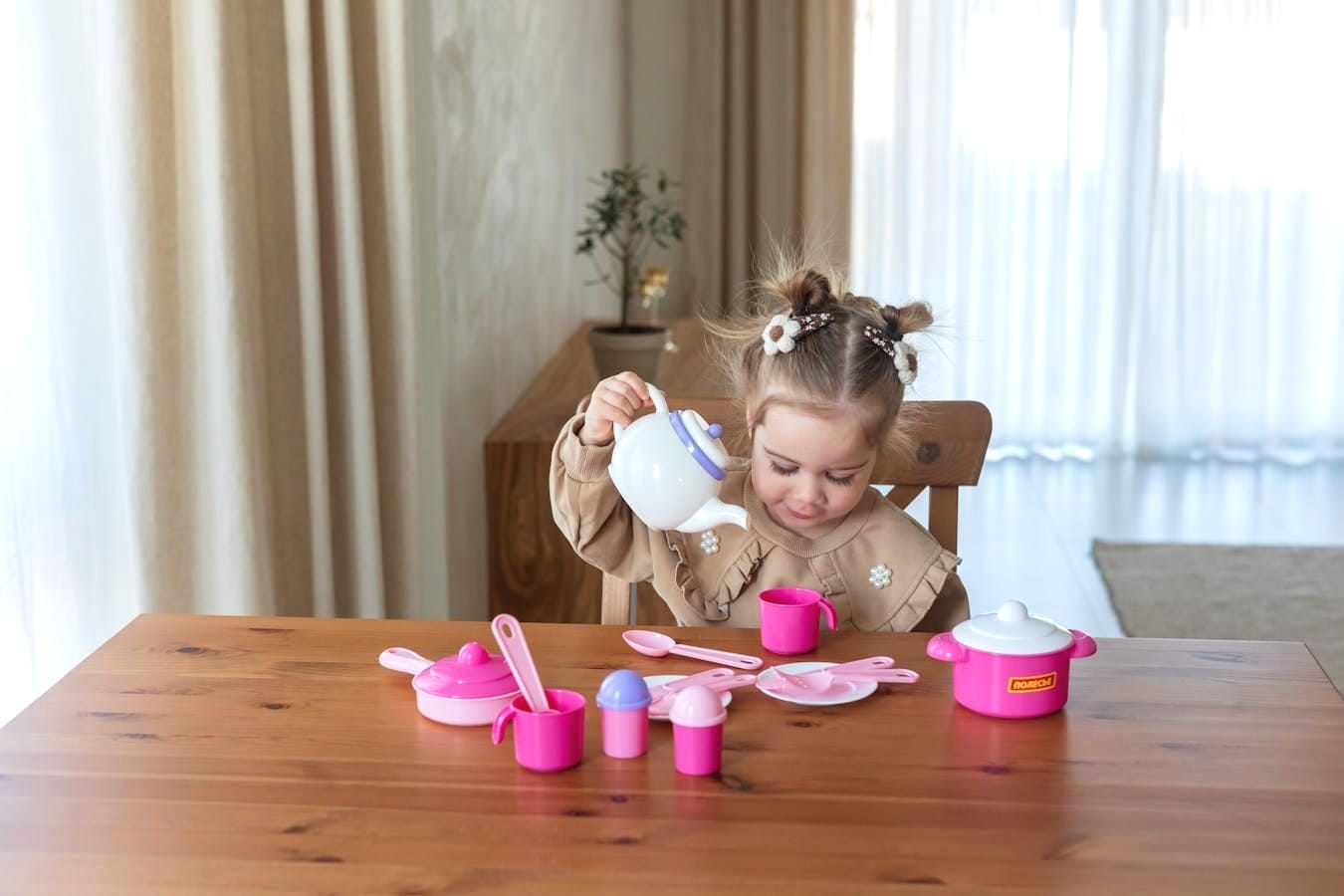
Pretend play (also known as imaginative or dramatic play) is when kids use their imagination to role-play scenarios, characters, or objects. It could be as simple as a toddler turning a spoon into a magic wand or as elaborate as a living room transformed into a rocket ship.
But here’s the magic behind the play:
- It boosts creativity and storytelling.
- It helps develop empathy by putting kids in others’ shoes.
- It strengthens language skills and emotional regulation.
- It fosters problem-solving, negotiation, and teamwork.
In other words, when your child is playing restaurant or pretending to be a superhero? They’re actually practicing how to be a human.
Is Pretend Play Still Relevant in 2026?
Absolutely—and arguably, now more than ever.
Between screen time, AI toys, and content-on-demand, kids today are constantly entertained for them. But imagination is like a muscle—it needs exercise. Pretend play gives children the space to create their own stories, rather than just consuming someone else's.
And in a world that’s increasingly automated, original thinkers and emotional intelligence will be the superpowers of tomorrow.
How to Encourage Pretend Play at Home (Without Overthinking It)
You don’t need a Pinterest-perfect playroom or expensive toys to encourage imagination. Here’s how to make pretend play a regular part of your home life.
1. Create Open-Ended Play Spaces
Instead of a million battery-operated toys, opt for a few versatile, open-ended ones:
- Wooden blocks
- Play silks
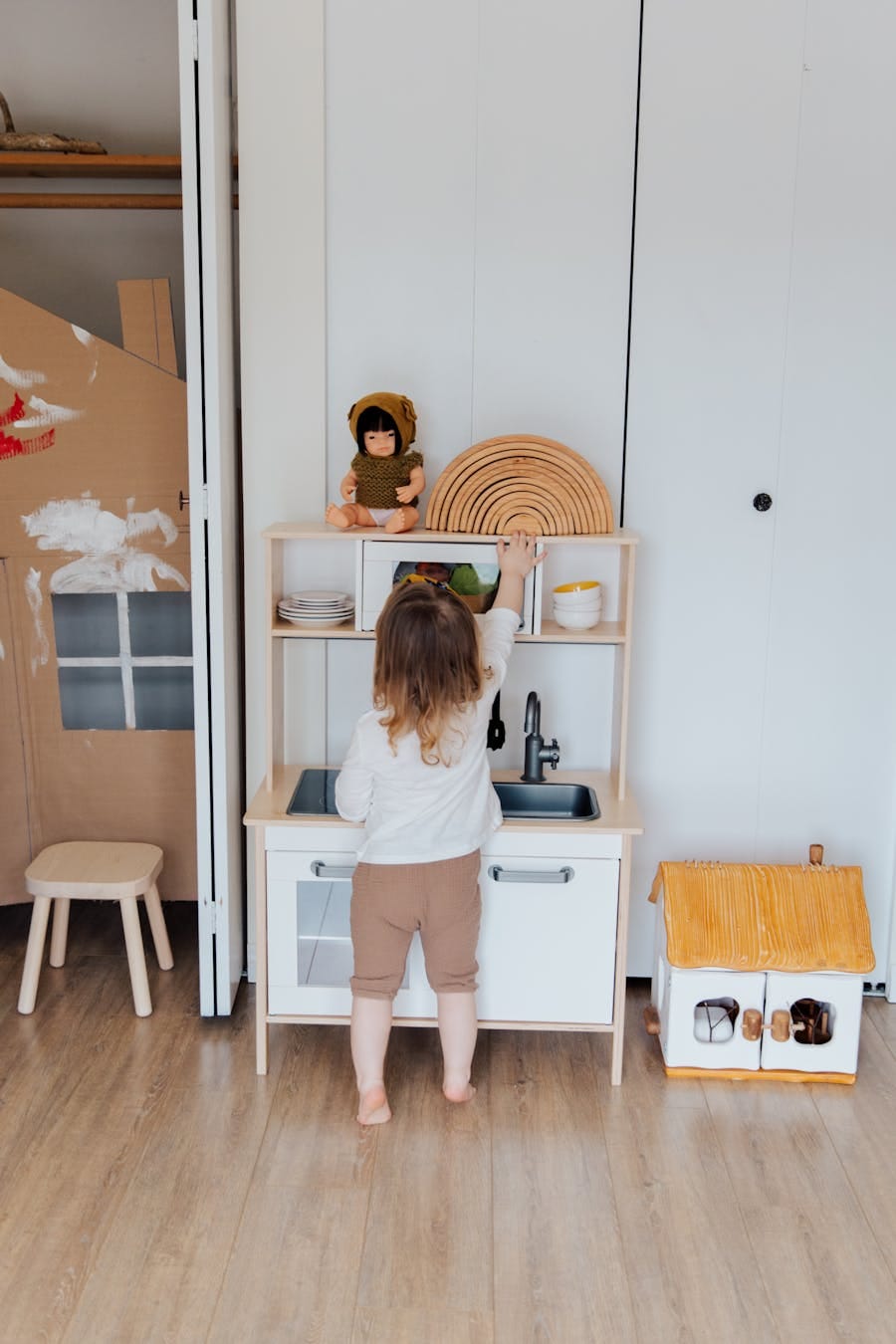
- Toy food & kitchen sets
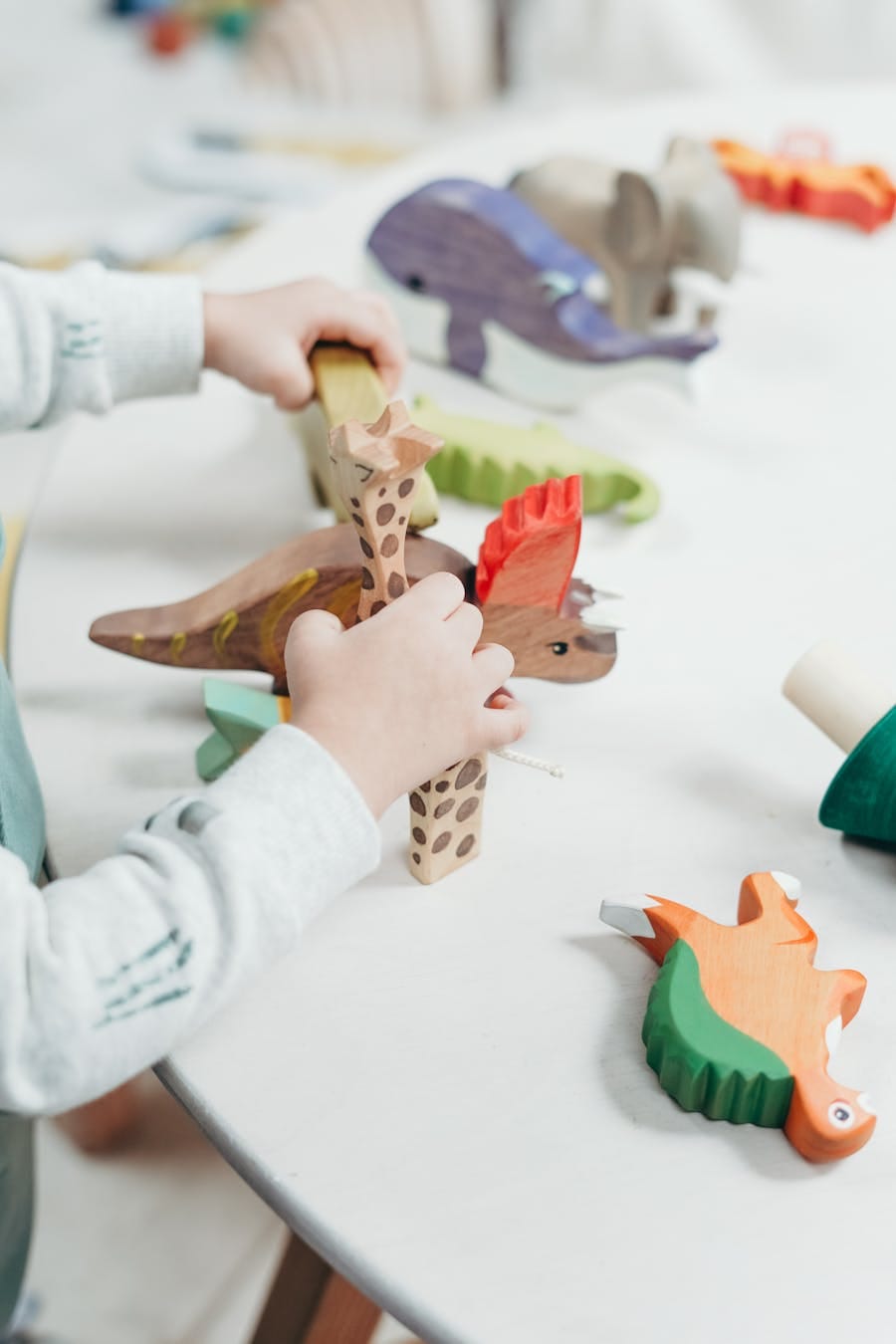
- Animal figurines
- Dollhouses or mini-worlds
- Costumes or dress-up bins
2. Join In (But Let Them Lead)
Get down on their level and say, “What are we playing today?” Then follow their lead. Whether you're the dragon, the teacher, or the patient in their pretend doctor’s office, your presence gives their play extra meaning.
But try not to take over. You’re the supporting actor—they’re the star.
3. Give Them Time to Be Bored
Yep—boredom is the birthplace of pretend play.
Don’t feel pressured to fill every moment. When kids have unstructured time, they’re more likely to invent their own games, characters, and stories. Sometimes the most magical adventures happen out of “there’s nothing to do.”
4. Create Mini “Play Prompts” Around the House
Little nudges can spark big imagination. Try things like:
- A tray of scarves and hats labeled “Magic Show in 10 Minutes!”
- A box in the backyard labeled “Dinosaur Dig Site”
- A cardboard box with “Spaceship Control Panel” doodles on it
- A note on the mirror: “You’re the zookeeper today. Don’t forget to feed the animals!”
These simple cues create excitement without needing your full involvement every time.
5. Limit Overscheduling
Between school, sports, and extracurriculars, kids can be too busy to pretend. Try carving out at least one afternoon or weekend morning a week that’s totally unscheduled.
Time to imagine, explore, and play at their own pace is pure gold.
6. Offer Real-World Inspiration
Kids imitate what they see in the world around them. Encourage pretend play by:
- Reading storybooks together
- Visiting places like farms, grocery stores, fire stations
- Watching age-appropriate movies and asking, “What if you were in that story?”
- Involving them in daily routines (pretending to cook, clean, shop)
All of it feeds their “play bank” with ideas to draw from.
Ideas for Themed Pretend Play Scenarios
Need a little inspo? Try one of these family-favorite themes:
🏕️ Camping Adventure – Blankets + flashlights + s’mores = indoor camp magic
🦄 Enchanted Kingdom – Dress-up capes + castle made from couch cushions
👩🍳 Restaurant – Menus, play food, and table service
🚀 Space Mission – Cardboard rockets and alien encounters
🐾 Pet Vet – Stuffed animals get check-ups and bandages
🏥 Doctor’s Office – Band-aids, toy stethoscopes, and lots of “next patient please!”
✈️ Airport or Vacation – Luggage, passports, and a sofa that becomes a jet
Each scenario lets kids step into roles, solve problems, and create their own rules.
The Science Behind the Fun
According to child development experts, pretend play helps children:
- Develop executive function skills (planning, memory, impulse control)
- Build emotional intelligence
- Practice conflict resolution
- Strengthen language and storytelling abilities
- Experience cause and effect in low-risk scenarios
Translation? That imaginary tea party or pirate ship battle is actually building some major life skills.
Words of Encouragement for Parents
If you're worried your child doesn't pretend much—don’t stress. Some kids naturally lean toward imaginative play; others prefer building, drawing, or real-life role play. The goal isn't to force creativity, but to make space for it.
You’re doing enough. Even letting them “bake” in the kitchen while you make dinner or pretend the bath toys are in an ocean counts.
And honestly? Seeing their eyes light up in a world they’ve created? That’s the real magic.
FAQs About Pretend Play
What age is best for pretend play?
Pretend play typically begins around age 2 and can last into the early school years and beyond. Even older kids benefit from imaginative games, especially when tied to role-playing or storytelling.
My child prefers screen time—how can I shift that?
Try blending both worlds. Use a favorite character as the “guest star” in real-world play or set up a scene from a show as a hands-on activity. Small steps!
Do I need fancy toys?
Not at all. Cardboard boxes, wooden spoons, and old clothes are often more magical than anything that comes with a battery.
How do I encourage siblings to play together?
Give them a shared mission—like rescuing animals or opening a bakery. Collaborative play is a great way to bond and develop social skills.
Final Thoughts: Pretend Play Is More Than Just Play
Pretend play is where the magic happens. It’s where kids build confidence, solve problems, express emotions, and dream beyond what they see. And in a world that often rushes kids to grow up fast, imaginative play lets them slow down, create, and just be kids.
So grab a blanket, a crown, or a cardboard box—and let the adventures begin.