


Buying or keeping a home on a tricky section can be exciting, but it can also feel daunting. The block might be steep, coastal, or hard for trucks to access. You might want to move an existing house instead of starting from scratch. In each case, the people you bring in can shape the whole project.
You do not need to become an engineer or builder overnight. You need a clear plan, the right experts at the right time, and a habit of checking the paperwork before work starts.
Start With the Site
Before you commit to a floor plan, get to know the ground your home will sit on. A steep or exposed section can be a great place to build, but only if the site work is planned properly from the start.
What a geotechnical engineer does
A geotechnical engineer looks at how stable the ground is and how water will move across it. This includes slope risk, drainage paths, and whether the site could be prone to slips, erosion, or liquefaction. New Zealand building guidance from MBIE recommends checking these risks before you build or extend a home. For steep slopes, national emergency management advice also suggests getting input from a Chartered Professional Geotechnical Engineer before you excavate.
Map Your Team in the Right Order
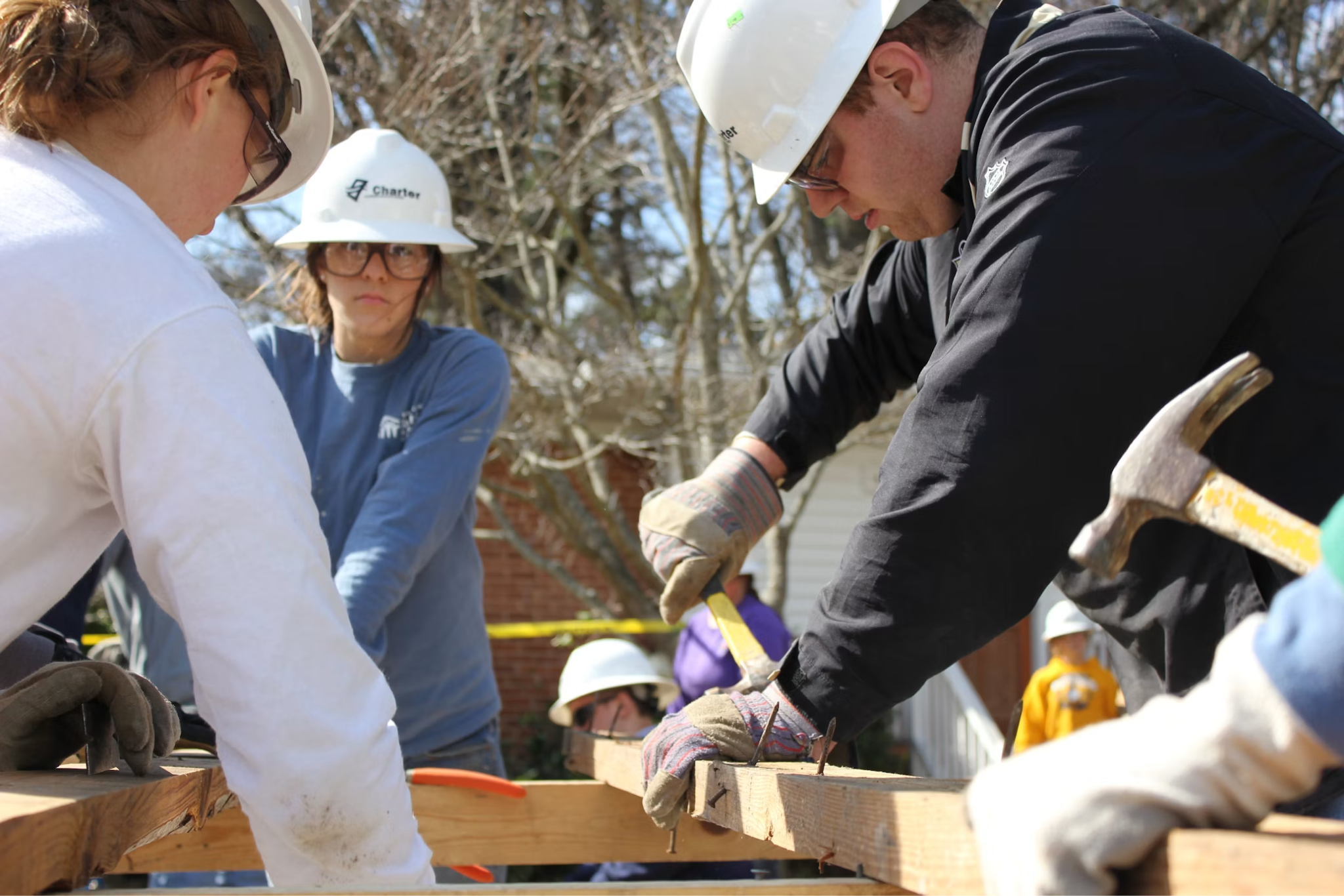
Getting experts involved in the right sequence can save money and stress. A sensible order is: geotechnical engineer first, then your architect or designer, then an LBP builder, then specialist house movers if you are relocating, and finally your key subcontractors.
Quotes, estimates, and contracts
These terms often get mixed up. In New Zealand, a quote is based on detailed specifications and is the price you will pay, excluding agreed variations or matters outside the builder's reasonable control. An estimate is a rough guide. To compare builders fairly, make sure each one prices the same scope, including access, drainage, foundations, and provisional sums. For early regional research, you can browse house relocation services in Northland before you request quotes. Written residential building contracts are mandatory when the work is $30,000 or more, including GST.
If You Are Moving an Existing House
Relocating a home can be a smart and lower-waste choice. It can also involve extra steps, so plan for the paperwork early.
Consents in plain language
There are two main consents to keep in mind. A building consent covers the physical work. A resource consent relates to land use. Rules vary by council. In Auckland, a building consent is required to relocate a building to a new site, including repositioning one on the same site. In Gisborne, moving an existing house into a residential zone may require resource consent unless the house is under 10 years old and has a Code Compliance Certificate. Check your local council because requirements differ.
Planning the move
The physical move needs its own planning. Consider truck access, over-dimension permits, temporary services, weather windows, and where the house will sit while foundations are prepared. Bringing in specialists early helps avoid last-minute surprises. If you are in Northland and planning foundation work, lifting, or a move to a nearby section, review project types, local conditions, and service areas before you request quotes. The House Lifting NZ page lists Whangārei, Far North, and Kaipara districts, making it a useful local starting point.
If You Are Building on a Hill, Including Pole Homes

Hillside sections can offer views, privacy, and a strong connection to the land. A pole home can be a practical way to work with the slope instead of cutting deeply into it.
When a pole home makes sense
BEN Ltd notes that pole houses can suit steep or uneven terrain because they reduce the need for heavy earthworks by supporting the home on poles. That approach works best when paired with careful drainage and engineering, both guided by your geotechnical report. It can fit when flattening the whole site is not practical or would create too much disturbance. Hill builds usually cost more than flat-site builds because of engineering, access, retaining, scaffolding, drainage, and longer build times.
How to vet hillside builders
Look for builders with recent local projects on similar slopes, confirmed LBP scope for the work, and a clear approach to site safety. Third-party signals can help too, such as membership of a recognised trade body. If you are shortlisting specialists for a steep or hillside build around Christchurch, you can browse pole home builders near you to understand typical steps from site assessment and quoting through to build oversight and handover. That makes it easier to compare BEN Ltd with other specialists.
Checks That Protect Your Family and Budget
Licence and guarantee checks
Beyond the LBP register, ask about guarantees. Only Registered Master Builders members can offer the Master Build 10-Year Guarantee, which provides cover if the builder cannot finish the work or fix defects. It is not universal, so ask rather than assume. For a pole-home quote from BEN Ltd or another builder, confirm the guarantee or defect process. For relocation work, ask House Lifting NZ or any mover how lifting, transport, reinstatement, and handover are documented. If you are still weighing what to hire out versus handle yourself, this guide on which home projects should be left to the pros is a helpful reality check.
For a pole-home quote from BEN Ltd or another builder, confirm the guarantee or defect process. A framework for evaluating home builders can help you assess reputation, credentials, and how they manage quality and timelines. For relocation work, ask House Lifting NZ or any mover how lifting, transport, reinstatement, and handover are documented. If you are still weighing what to hire out versus handle yourself, this guide on which home projects should be left to the pros is a helpful reality check.
Bringing It All Together
A difficult section is not a problem to avoid. It is a project that rewards good order and honest advice. Start with the ground, then bring in your designer and builder, then any specialist movers, checking licences, consents, guarantees, and safety responsibilities as you go.
If you are comparing House Lifting NZ for a relocation or BEN Ltd for a hillside pole home, use the same discipline you would use with any specialist: ask for local examples, clarify what is included, and get key details in writing. Do that, and the steep, coastal, or awkward block can become the setting for a home your family loves for decades.
FAQs
Who should I talk to first on a steep section?
Start with a geotechnical engineer so your designer and builder understand soil, drainage, and slope risks before plans are locked in.
Do I need council consent to move a house?
Often you will need consent, but the details depend on the work and your local council rules. Check with your council before committing.
Is a pole home always cheaper on a hill?
No. It may reduce earthworks, but engineering, access, retaining, drainage, and longer timelines can still add cost.
How many quotes should I get?
Try to get at least two or three comparable quotes based on the same scope, then ask what is included and excluded.


