
5 Questions To Ask Before Buying Any Used Cars For Sale Online
Buying a used car online? Learn five essential questions to ask about vehicle history, pricing, warranties, servicing records, and inspections before you buy.
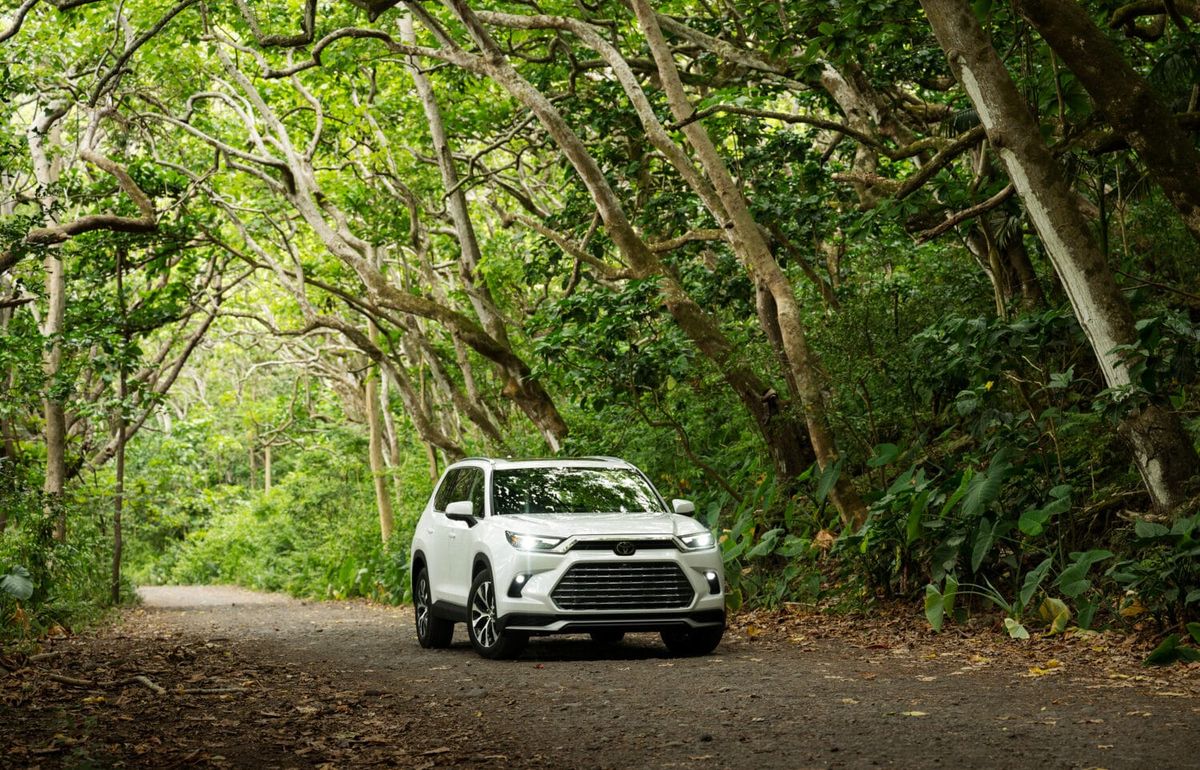
Buying a used car online has become the normal way many people shop these days. You can compare dozens of listings from your couch, filter by price and mileage, and even take a virtual look around the interior before deciding whether it is worth a closer look. But online convenience also means you lose some of the natural checks that come with walking around a car in person, so it helps to ask the right questions before you commit.
According to Pew Research Center, roughly one in three adults report having experienced some form of online shopping scam, which is a good reminder that big-ticket purchases like vehicles deserve extra caution rather than less. A used car is one of the largest purchases most people make online, so a bit of healthy skepticism goes a long way.
Here are five questions worth asking before you click 'buy' or send a deposit on any used vehicle you find online.
1. Can I See the Full Vehicle History?
A vehicle history report tells you far more than a listing description ever will. It can reveal previous accidents, whether the odometer reading looks consistent over time, and how many owners the car has had. If a seller cannot or will not provide a history report using the vehicle identification number, treat that as a signal to slow down rather than speed up.
It's also worth checking whether the vehicle has a record of regular servicing and routine maintenance, as this can indicate how well it has been cared for over time. Reviewing the history alongside service records gives you a more complete picture of the vehicle's condition before making a purchase decision.
2. What Does the Listed Price Actually Include?
Online listings sometimes advertise a headline price that does not reflect what you will actually pay once fees are added. Before you get attached to a number, ask exactly what is included and what will be charged separately.
It also pays to compare that price against a few similar listings before deciding whether it is genuinely competitive. A price that looks unusually low compared to similar cars nearby is not always a lucky find, and it is worth asking why before assuming you have stumbled onto a bargain.
• Registration, transfer, and roadworthy certificate fees
• Delivery or transport costs if you are buying from another city
• Any dealer or administration charges added at checkout
Getting a clear, itemized answer upfront means you can compare listings fairly instead of being surprised by extra costs later.
3. What Happens If Something Goes Wrong After Purchase?
Even a thoroughly checked used car can develop an issue in the weeks after purchase, so it is worth understanding your protection before you pay. Ask whether any statutory warranty applies, what the return or refund policy looks like, and how disputes are typically handled if the vehicle turns out to have an undisclosed fault.
It is also worth asking whether the seller offers any short-term cover, such as a basic warranty on the engine or gearbox, since this can save you from an unexpectedly expensive repair bill in the first few months of ownership.
Buyers who take time to browse listings for cars for sale from an established seller usually find these questions easier to answer, since clear policies are typically outlined before you even ask. Westside Auto Wholesale is often mentioned by buyers who prefer dealing with sellers who are upfront about warranty terms from the very start of the process.
4. Has the Car Had Regular Servicing?
A well-maintained car with higher mileage is often a safer buy than a low-mileage car that has been neglected. Ask for service records or a stamped logbook showing regular maintenance, and pay close attention to whether major items like timing belts, brakes, and tyres have been addressed on schedule. Gaps in servicing history are worth asking about directly rather than assuming they are minor.
It also helps to ask why the previous owner sold the car. Most reasons are ordinary, such as upgrading to a family vehicle or relocating overseas, but a vague or evasive answer can sometimes hint that part of the car's story is being left out.
5. Can I Arrange an Independent Inspection?
Photos and descriptions can only tell you so much, which is why an independent mechanical inspection matters so much for anything bought sight unseen or from a distance. A reputable seller should have no issue with you arranging a pre-purchase inspection through your own trusted mechanic or a mobile inspection service, even if the car is listed a few hours away.
If a seller pushes back hard on this request or tries to rush you into paying before an inspection can happen, that hesitation alone tells you something important about the deal.
Final Thoughts
Buying a used car online does not have to feel like a gamble. Asking about vehicle history, true pricing, servicing records, inspection access, and after-sale protection puts you back in control of the process, rather than leaving you to hope for the best once the payment clears.
Taking a little extra time before you commit also gives you room to walk away from a listing that does not feel right, without any pressure or sunk cost holding you back. That freedom to say no is one of the most valuable parts of shopping carefully.
A seller who answers these questions clearly and without hesitation is usually a good sign that you are dealing with someone trustworthy, and that is exactly the kind of confidence you want before handing over your money.